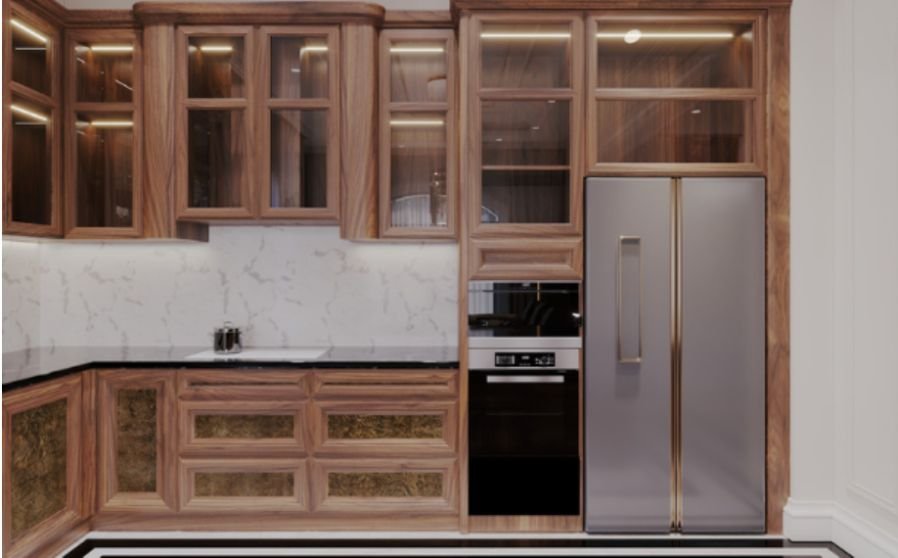

I find tile shopping easier when I stop judging samples individually and imagine living with the finished surface. A beautiful tile can become frustrating if it creates awkward cuts, demands unexpected preparation, or leaves more grout to scrub than expected.
When comparing large format tiles vs small tiles, I look beyond appearance to installation, maintenance, and room geometry. Neither size wins everywhere. The best choice often combines larger surfaces with smaller details, giving each format a purpose.
What Counts as Large or Small Tile?
Large-format tile generally includes pieces with an edge around 15 inches or longer. Familiar examples include 12-by-24-inch rectangles and 24-by-24-inch squares. Much larger porcelain panels require specialized handling and installation.
Small tiles include subway shapes, compact squares, penny rounds, and mosaics. Mosaic sheets contain individual pieces attached to backing; a 12-inch sheet does not make those individual pieces large-format tiles.
Size also differs from material. Porcelain, ceramic, glass, and natural stone have separate performance characteristics. Compare similar materials when deciding what tile size changes.
How Tile Size Changes a Room’s Appearance
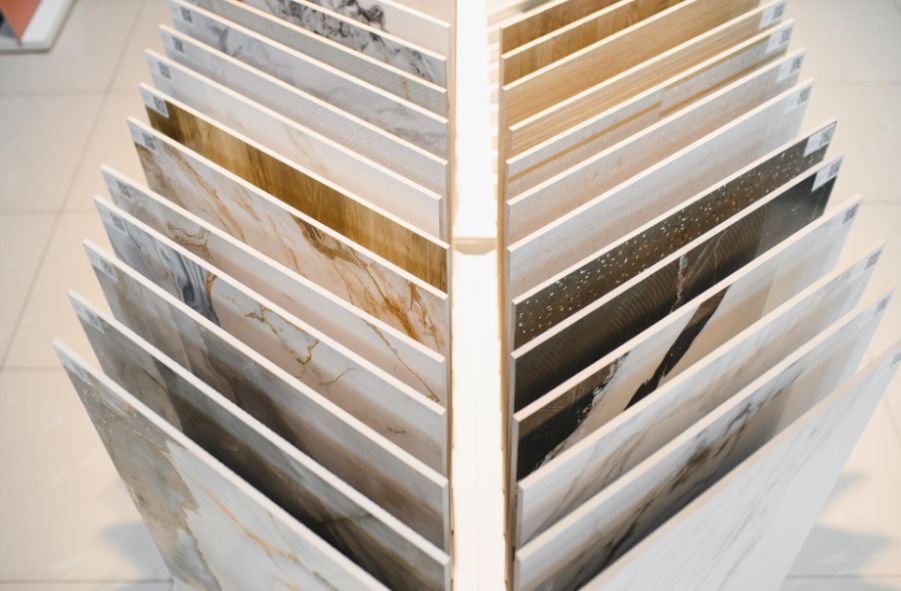
Large Tiles Create Visual Continuity
Larger pieces reduce the number of grout joints crossing a surface. This quieter background can make compact bathrooms and narrow kitchens feel more open, especially when grout closely matches the tile.
They also showcase sweeping stone-look veining. However, oversized pieces can lose their appeal when fixtures and corners require numerous cuts. A measured layout matters more than assuming bigger always looks better.
Small Tiles Add Pattern and Character
Smaller pieces suit decorative backsplashes, textured feature walls, and traditional floors. Their repeated shapes create patterns that become part of the room’s design.
Contrasting grout emphasizes that pattern; matching grout softens it. If cabinetry, countertops, and accessories already compete for attention, a restrained tile pattern can help the room feel balanced.
Compare the Full Installation Cost
The practical difference in large format tiles vs small tiles often appears in the installation quote rather than the showroom price.
Large pieces may require additional surface preparation, larger cutting equipment, careful transport, and extra handling. Covering more area with each piece does not automatically reduce labor.
Small tiles can also become expensive. Intricate patterns, irregular edges, and mosaic sheets require careful alignment and substantial grouting. Visible sheet boundaries can spoil an otherwise attractive floor.
Ask contractors to separate materials, demolition, substrate repairs, waterproofing, installation, and finishing. Comparable scopes reveal more than a single price per square foot.
When comparing flooring options for a remodel, consider how different materials affect installation costs, preparation, and transitions between rooms. If you are weighing tile against laminate in adjoining spaces, check the existing floor height and plan suitable transition trim before work begins. These tips on how to install laminate flooring can help you understand the installation considerations involved in planning a coordinated flooring project.
Why Surface Preparation Matters

Large Tiles Need a Flatter Base
A large tile bridges a wider area, making bumps and depressions harder to accommodate. Poor preparation can contribute to inadequate mortar coverage and uneven adjacent edges, known as lippage.
Common large-format guidance calls for substrate variation no greater than approximately 1/8 inch over 10 feet and 1/16 inch over 2 feet. The selected installation system may impose additional requirements.
A flat surface need not be level: shower floors must retain their designed drainage slope.
Small Tiles Still Require Proper Preparation
Smaller pieces accommodate certain curves and slope changes more readily, but they cannot solve structural movement, loose backing, or inadequate waterproofing.
Mosaics can reveal small surface defects because their individual pieces follow the substrate closely. Both formats need a sound, properly prepared base.
Choose Tile by Surface, Not Just Room Size
Main Floors and Shower Walls
Larger tiles work well across uninterrupted floors and shower walls where reduced grout maintenance matters. Check doorways, transitions, and fixture positions before choosing dimensions.
A compact bathroom can still accommodate larger pieces successfully. The key is avoiding awkward slivers and unnecessarily complicated cuts.
Shower Floors
Small mosaics suit shower pans that slope toward a point drain from several directions. Their joints allow the surface to follow those changing planes.
Large tiles can work with appropriately designed single-plane slopes and linear drains. Some layouts require additional cuts. Confirm the drain, slope, tile, and waterproofing system together before ordering.
Backsplashes, Niches, and Curves
Small tiles offer flexibility around curved features and decorative details. Large pieces can simplify a backsplash visually, but outlets and corners may require demanding cuts.
Dry-layout planning is an essential part of tile layout planning, helping determine which option creates cleaner edges and less waste.
Cleaning, Traction, and Water Resistance

Fewer joints usually mean less grout to clean. However, maintenance also depends on grout type, surface texture, and material. Some grout products require sealing; others do not.
Small tiles introduce more joints, which can contribute to traction, but size alone does not guarantee a safe wet floor. Check the manufacturer’s intended-use guidance and relevant slip-resistance information.
Likewise, fewer joints do not make an installation waterproof. Tile size does not determine water absorption, and tile with grout does not replace a properly specified waterproofing assembly.
Plan for Waste, Repairs, and Mixed Formats
Cutting waste depends on room dimensions, pattern, and obstacles. A large offcut may be reusable elsewhere, while another layout may leave expensive pieces unusable. Base the order allowance on the actual plan.
Tile size and layout both affect how much material a remodel requires, especially when a room has awkward corners, multiple fixtures, or a detailed pattern. Before ordering, measure each tiled surface, estimate an appropriate allowance for cuts and breakage, and check the coverage listed on each carton. Follow these steps to calculate tile quantities for your next project and plan your order more accurately.
Keep spare tiles from the original purchase. Replacing a large piece can disturb a substantial area; replacing small pieces may be more localized, although protecting surrounding waterproofing still requires care.
Keeping spare tiles is especially useful when outdoor mosaic surfaces become stained or damaged and individual pieces need attention. Acid-based cleaners can affect some stone surfaces and may damage the finish, so use cleaning products appropriate for the specific material.
If an outdoor stone mosaic has already been affected, these recommendations on how to repair acid-damaged outdoor stone mosaic tiles offer more targeted repair considerations.
Mixing formats often provides the best balance. Consider larger wall tiles with a mosaic shower floor, or a calm floor paired with a decorative backsplash. Coordinate color and finish to connect them.
Frequently Asked Questions
1. Which is better: large format tiles vs small tiles?
Large pieces favor visual continuity and fewer grout joints. Smaller pieces favor curves, detailed patterns, and multidirectional shower slopes. Installation conditions should guide the decision.
2. Are smaller tiles always cheaper?
No. Intricate mosaics and complex layouts can require considerable labor. Compare complete installed quotes.
3. Can large tiles work in a small bathroom?
Yes. A carefully planned layout and coordinated grout can create a calmer appearance without excessive edge cuts.
My Final Take
I would choose tile size after reviewing a measured layout and an itemized installation quote. Appearance matters, but preparation, drainage, maintenance, and repair access determine how satisfying the finished project feels. Giving each format a clear role helps create a room that looks intentional and works comfortably every day.