
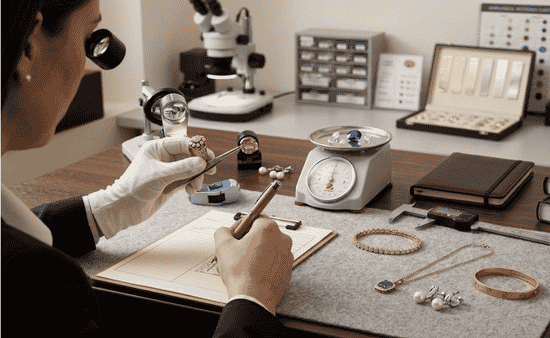
Jewellery valuation is an essential process for anyone owning or dealing in valuable pieces. Whether for insurance purposes, sale, or personal knowledge, understanding how jewellery is valued can protect and enhance the worth of these precious items. This guide provides an in-depth look at jewellery valuation, explaining the methodologies, factors influencing value, and the significance of professional appraisals.
What Is Jewellery Valuation?
Jewellery valuation is the art and science of determining the monetary worth of a piece of jewellery. This assessment considers multiple factors such as material quality, craftsmanship, design, market demand, and provenance. Valuations provide an objective measure of value that can be used for various purposes including insurance, sales, and legal matters.
The Importance of Jewellery Valuation
Accurately valuing jewellery is critical for owners, potential buyers, and sellers. For owners, obtaining an up-to-date Jewellery valuation ensures appropriate insurance coverage, protecting against loss, theft, or damage.
For sellers, it provides transparency and confidence during transactions. Additionally, legal disputes involving inheritance or taxation often require formal valuations to establish fair market value.
Types of Jewellery Valuations
There are several types of valuations, each serving a different purpose. Replacement valuations estimate the cost to replace a piece with an equivalent item. Market valuations reflect the current selling price in the marketplace.
Insurance valuations tend to focus on replacement cost but may include additional considerations such as inflation or rarity. Understanding the type of valuation needed is important before commissioning an appraisal.
Factors Influencing Jewellery Value
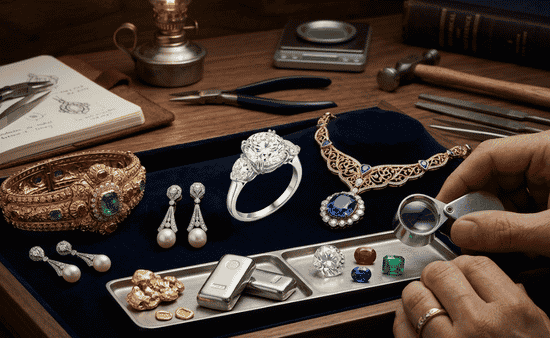
The value of jewellery depends on numerous components. The type and quality of materials—precious metals like gold, platinum, and silver, as well as gemstones such as diamonds, sapphires, and emeralds—play a fundamental role.
The cut, clarity, colour, and carat weight of gemstones are among the primary determinants of value. Craftsmanship and brand reputation also add significant worth to pieces, as does the piece’s condition and historical significance.
Material Quality
Precious metals are valued by their purity and weight. For example, 18-carat gold contains 75% pure gold, making it more valuable than 9-carat gold, which contains 37.5% pure gold. Similarly, platinum is rarer and more durable, often commanding higher prices. Weight is measured in grams or ounces, and fluctuations in metal market prices directly affect jewellery valuation.
Gemstones
Gemstones are assessed according to the four Cs: cut, clarity, colour, and carat weight. The cut determines how well the stone reflects light, impacting brilliance. Clarity evaluates the presence of inclusions or blemishes, while colour and carat weight measure the stone’s hue and mass respectively. High-quality stones significantly increase the overall value of jewellery.
Design and Craftsmanship
The artistic merit and craftsmanship are also crucial. Pieces handcrafted by renowned designers or brands can have substantial premiums. Intricate designs that require exceptional skill tend to be valued higher than mass-produced items. Vintage or antique pieces often carry additional value due to their rarity and historical appeal.
The Jewellery Valuation Process
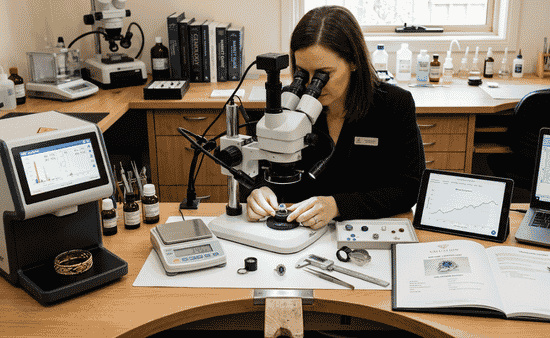
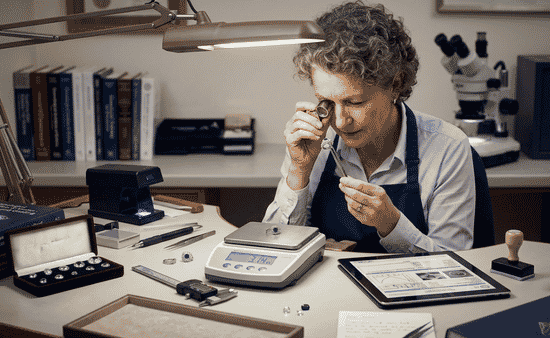
Professional valuers undertake a systematic approach when assessing a piece of jewellery. The process generally begins with a visual inspection, followed by material testing and measurement. Gemstones are examined under specialised equipment to determine quality. The valuer also researches current market trends and compares similar pieces to provide an accurate valuation report.
Laboratory Testing
Testing involves identifying metal content, gemstone authenticity, and treatment. Techniques such as X-ray fluorescence (XRF) analysis are used to determine metal purity accurately without damaging the item. Gemstones may be tested with microscopes and spectrometers to verify origin and whether they have undergone enhancements that could affect value.
Assessment and Reporting
Following examination and testing, the valuer aggregates all findings to produce a written report. This document details the specifications of the jewellery, methodology used, and the final valuation amount. Professional reports are essential to ensure clarity and provide an official record that can be used for insurance, sale, or legal purposes.
Choosing a Professional Valuer
Engaging a reputable and qualified professional is critical for accurate jewellery valuation. Look for certified valuers who belong to recognised industry bodies and possess relevant experience. Reviews and referrals can assist in selecting a trustworthy expert. Some jewellers also offer valuation services, but independent professionals are often recommended for impartiality.
When to Get Jewellery Valued
Jewellery should be valued regularly, especially after purchasing new pieces or if market conditions change. Insurance policies commonly require updated valuations every few years to reflect current values. Additionally, before selling valuable jewellery or donating items, obtaining a formal valuation ensures fair transactions and documentation.
The Role of Jewellery Valuation in Insurance
Insurance companies rely on valuations to determine appropriate premiums and claim amounts. Without an accurate valuation, jewellery owners risk being underinsured, which can lead to inadequate compensation if the item is lost or stolen.
Conversely, overestimating value may result in unnecessarily high premiums. A professional valuation provides a balanced and justifiable figure for insurance purposes.
Jewellery Valuation and Market Trends
Market trends can significantly affect jewellery value. Economic factors, changes in consumer preferences, and fluctuations in precious metal and gemstone prices influence valuations over time.
For example, the demand for vintage or branded jewellery has increased, which can elevate values. Keeping abreast of market trends can aid owners in making informed decisions about buying, selling, or insuring jewellery.
Impact of Global Economic Factors
Global economic conditions such as inflation, currency fluctuations, and geopolitical events may affect the price of metals and stones. These changes can increase or decrease the inherent value of jewellery irrespective of its physical attributes. Valuers must consider such variables when providing up-to-date valuations.
How to Maintain Jewellery Value
Proper care and maintenance preserve the value of jewellery. Regular cleaning, safe storage, and timely repairs prevent damage and deterioration. Well-maintained pieces retain both aesthetic appeal and monetary worth. Additionally, keeping certification papers, original receipts, and provenance documentation supports valuation accuracy.
Summary
Understanding Jewellery valuation is fundamental for owners, buyers, sellers, and insurers. Valuation is a detailed process that assesses material quality, craftsmanship, market conditions, and more to provide a monetary value for jewellery pieces.
Professional valuations protect investments, guide transactions, and support legal and insurance requirements. Regular appraisals and proper jewellery care ensure that value is preserved and accurately represented throughout the years.