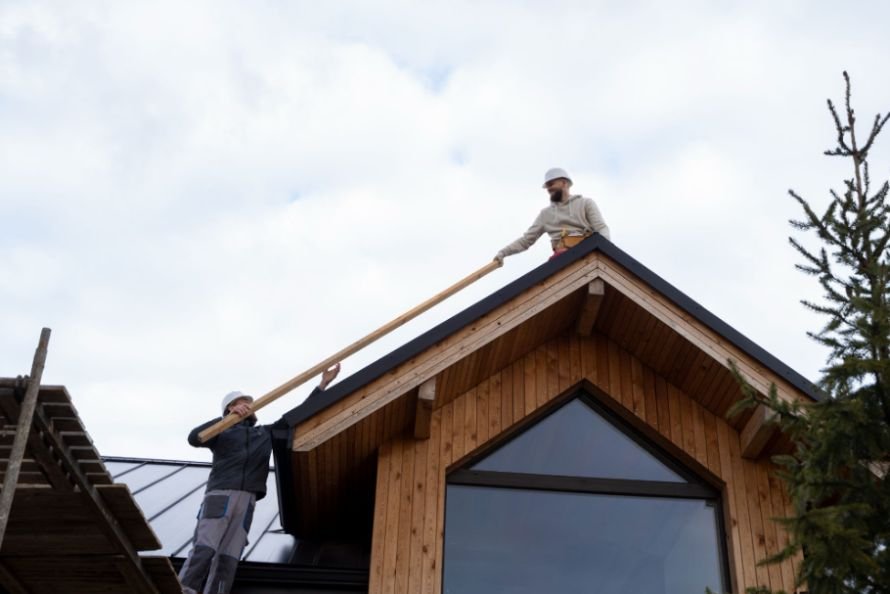
A roof can look completely normal from the street while the structural wood beneath the shingles is already deteriorating. If part of the roof feels spongy, soft, or unusually bouncy underfoot, I would treat it as a serious warning rather than something to monitor casually.
Knowing what to do if roof decking feels soft matters because weakened roof sheathing may no longer hold roofing fasteners securely or support weight as intended. Moisture damage, wood rot, plywood delamination, deteriorated OSB, poor attic ventilation, or inadequate structural support can all contribute to a soft roof deck.
In severe cases, ignoring the problem may lead to sagging shingles, interior water damage, framing deterioration, or structural failure.
What Does Soft Roof Decking Usually Mean?
Roof decking, also called roof sheathing, forms the solid structural surface over rafters or trusses and beneath the underlayment and shingles. Most US homes use plywood or oriented strand board, commonly called OSB (Oriented strand board).
A healthy roof deck should feel firm. A small amount of flex does not always mean the wood is rotten, especially on older homes with thinner decking or wider framing spacing. However, a noticeable soft spot, depression, spongy section, or area that bends more than the surrounding roof deserves professional inspection.
Moisture is one of the most common causes. Water can penetrate through damaged shingles, cracked pipe boots, deteriorated flashing, roof valleys, skylights, vents, or other penetrations. Once plywood or OSB repeatedly gets wet, it may swell, separate, decay, and eventually lose structural strength.
What Should You Do First If Roof Decking Feels Spongy?
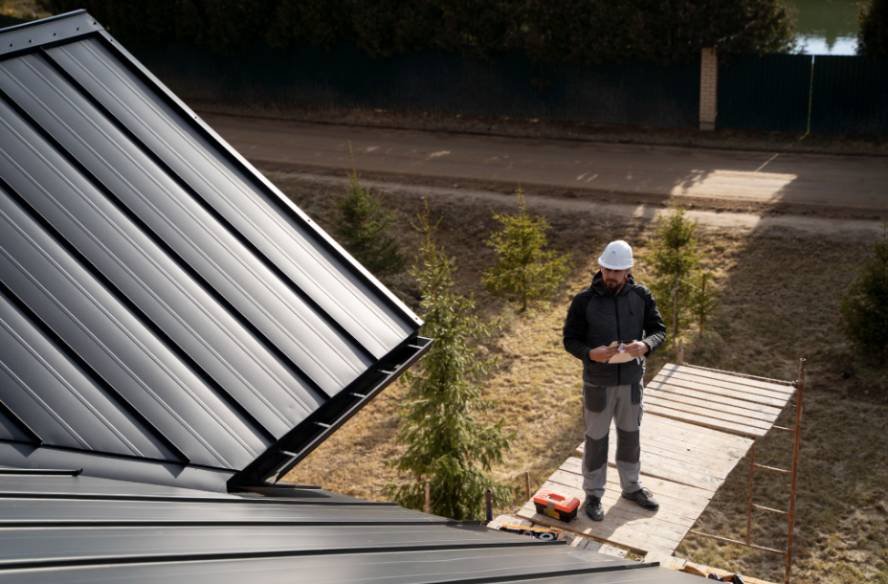
The first step is simple: stop walking on the affected section.
I would never repeatedly step on a soft spot to test how weak it is. Severely rotted roof sheathing may not safely support a person’s weight, and the risk becomes even greater on steep, wet, icy, or storm-damaged roofs.
Instead, inspect the area from inside the attic when it is safe to do so. Use a flashlight to look at the underside of the roof sheathing near the suspected location.
Watch for dark stains, damp wood, white or black fungal growth, rusty nail tips, swollen sheathing, separated plywood layers, wet insulation, or visible sagging. I would also inspect the nearby rafters or trusses for staining, cracking, softness, or signs that moisture has spread beyond the roof deck.
Why Does Roof Decking Become Soft?
Long-term roof leaks are one of the most common causes. Even a small leak can repeatedly wet the same area for months without immediately creating a visible ceiling stain.
Ice dams can create similar problems in colder parts of the United States. Meltwater can back up beneath shingles near the eaves and soak the roof sheathing during repeated freeze-thaw cycles.
Poor attic ventilation is another major factor. Warm, humid indoor air can rise into the attic and condense against cold roof decking. Over time, repeated condensation may cause staining, mold growth, fastener corrosion, and deterioration of plywood or OSB.
Bathroom fans, kitchen exhausts, and dryers that vent into the attic can make the moisture problem worse.
Damaged or deteriorated flashing can also allow water to reach the roof sheathing, so learn how to respond to roof flashing failure to identify common causes of leaks and understand when repairs or replacement are necessary.
Not every soft roof is rotten, however. Older homes may have thin decking, wide rafter spacing, unsupported panel edges, or framing conditions that create a springy feeling. A roofer or structural professional can determine whether the issue involves moisture damage, insufficient support, or both.
How Do Roofers Repair Soft or Rotted Roof Decking?
A proper repair starts by identifying and correcting the source of the moisture. Replacing damaged wood without repairing the leak, ventilation problem, flashing failure, or condensation issue only allows the new decking to deteriorate again.
Before the roofing work begins, learn how to prepare for a professional roof inspection so you can organize relevant observations, document suspected damage, and discuss your concerns with the contractor.
Roofers typically approach damaged decking from above. They remove the shingles, underlayment, and nearby flashing as necessary so they can see the complete boundaries of the deterioration.
Compromised sheathing is then removed back to sound structural support. When only part of a sheet is removed, the replacement section must have proper support at its edges. Larger or heavily damaged areas may require removal of an entire OSB or plywood panel.
Replacement sheathing should match the required thickness and structural specifications of the existing roof assembly. Common residential decking thicknesses may include approximately 15/32 inch or 5/8 inch, although the correct material depends on framing spacing, local code, engineered requirements, and the roofing system.
Fastener type and spacing should follow applicable building codes and manufacturer specifications rather than a universal fastening rule. Panel edge clips, commonly called H-clips, may also be used where required by the roof design or sheathing specifications.
After contractors install sound decking, they restore the protective roofing layers. That may include synthetic or water-resistant underlayment, ice-and-water membrane in vulnerable areas, flashing, and properly integrated replacement shingles.
Does the Entire Roof Deck Need to Be Replaced?
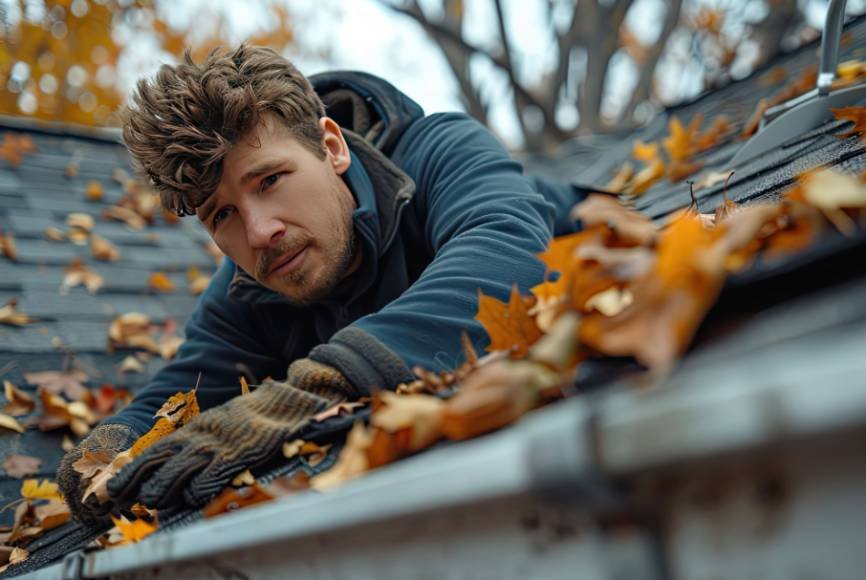
Usually not.
A localized leak may damage only one or two roof decking panels. In those situations, contractors may replace only the affected section.
However, widespread moisture exposure, long-term condensation, repeated leaks, or advanced wood decay may affect many sheets of decking and sometimes the underlying framing.
One reason roof-deck repairs can be difficult to estimate accurately is that the true extent of damage may not become visible until shingles and underlayment are removed.
If you’re replacing a roof, I recommend asking the contractor in advance how they charge for additional sheathing discovered during tear-off. That can prevent an unexpected change-order surprise.
Before approving the work, review these questions to ask before approving a roof repair to clarify the repair scope, additional decking costs, materials, and potential hidden damage.
Can New Shingles Be Installed Over Soft Roof Decking?
No competent roofing repair should simply hide structurally compromised decking beneath new shingles.
Roof coverings need a solid, properly secured substrate. Soft or deteriorated sheathing may not hold nails correctly and can allow new shingles to move, sag, buckle, or fail prematurely.
If damaged decking appears during tear-off, contractors should make the roof deck structurally sound before installing the new roofing system.
How Much Does Soft Roof Decking Repair Cost?
Costs vary widely across the United States because roof pitch, accessibility, labor rates, decking material, roofing type, and the extent of hidden damage all affect the final price.
A professional roof inspection may cost a few hundred dollars depending on the market and whether moisture testing or a written assessment is included.
OSB is generally less expensive than comparable plywood, but material prices fluctuate. A small targeted repair involving one or several sheets may cost several hundred dollars, while widespread decking replacement can climb into the thousands.
If moisture has also damaged rafters, trusses, insulation, ceilings, or flashing, the total project can increase substantially.
For that reason, I would treat online cost ranges as budgeting guidance rather than fixed prices.
How Can You Prevent Soft Roof Decking From Returning?
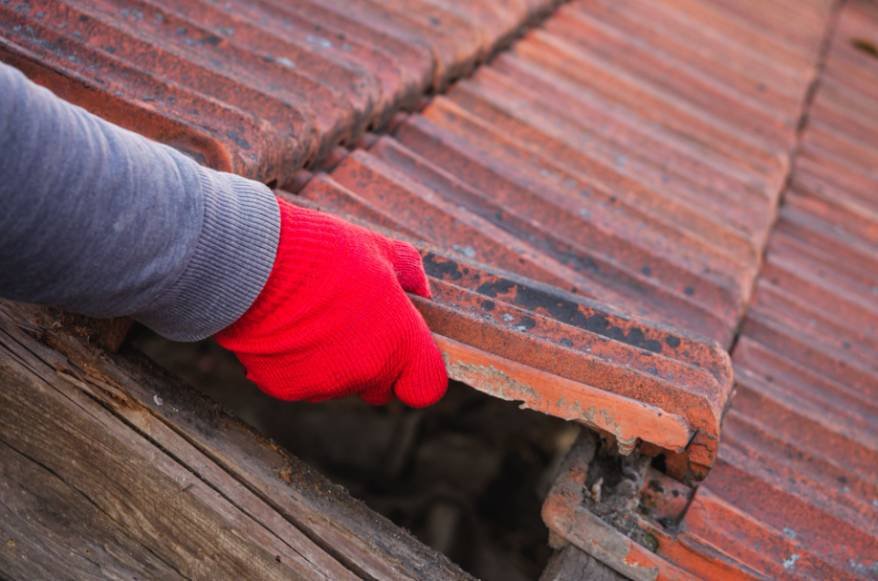
Prevention starts with keeping moisture out of the roofing system and controlling humidity inside the attic.
I recommend checking the roof from the ground after severe storms and watching for missing shingles, damaged flashing, overflowing gutters, debris-filled valleys, and damaged roof penetrations.
Inside the attic, look periodically for stains, condensation, mold-like growth, damp insulation, and rusted roofing nails. Exhaust fans should discharge outdoors rather than into the attic, and the ventilation system should allow moisture to escape effectively.
Addressing small leaks early can often prevent a minor repair from becoming a major roof-deck replacement.
Frequently Asked Questions
1. Is soft roof decking dangerous?
It can be. Severely rotted or deteriorated decking may not safely support a person’s weight. Avoid walking on the affected area until a roofing professional evaluates it.
2. Can wet roof decking dry out without being replaced?
Decking that becomes temporarily damp may dry successfully if it remains structurally sound. However, plywood that has delaminated or wood that has rotted, swollen excessively, or lost structural strength generally will not recover simply by drying.
3. Can poor attic ventilation cause roof decking to rot?
Yes. Excessive attic humidity can condense on cold roof sheathing and repeatedly expose the wood to moisture. Proper attic ventilation and correctly routed exhaust vents can help reduce this risk.
4. How do roofers find hidden roof decking damage?
Roofers often combine attic inspection, exterior observations, moisture evidence, and inspection during tear-off. Some rot remains hidden until the shingles and underlayment are removed.
5. Can damaged roof decking be repaired without replacing the entire roof?
Yes, in many cases. Contractors can remove roofing materials over a localized damaged section, replace the compromised sheathing, restore the underlayment, and reinstall compatible roofing materials.
Final Thoughts
Learning what to do if roof decking feels soft can help you respond before a small moisture problem spreads through the roofing system. The safest approach is to stay off the questionable area, inspect for moisture from the attic when possible, and have a qualified roofing contractor determine why the decking has weakened.
The key is fixing both parts of the problem: the damaged wood and whatever caused it. That may mean repairing flashing, correcting a leak, improving attic ventilation, replacing deteriorated OSB or plywood, or addressing structural support.
If you’re unsure what to do if roof decking feels soft, don’t rely on repeated foot testing or simply cover the area with new shingles. A proper inspection can reveal whether you’re dealing with a small isolated repair or a larger issue that needs attention before it becomes more expensive.