
A roof repair may look simple on paper, but vague estimates, hidden damage, and weak warranties can quickly create problems. Before I approve work, I want to know what failed, what the contractor will repair, what could change the price, and what protection I have if the fix does not last. The right questions to ask before approving a roof repair can help US homeowners avoid temporary patches, surprise charges, and poor workmanship.
What Should I Verify Before Signing a Roof Repair Contract?
Before signing, I would confirm licensing and insurance, review a line-by-line scope of work, understand the materials, and ask how hidden damage will be handled. I would also verify payment terms, warranties, cleanup, and who will supervise the job.
A qualified roofing contractor should explain the problem clearly and support the recommendation with inspection photos.
What Exactly Caused the Roof Damage?
I would first ask the contractor to identify the actual source. A ceiling stain may not sit directly below the entry point because water can travel along decking, rafters, flashing, or insulation.
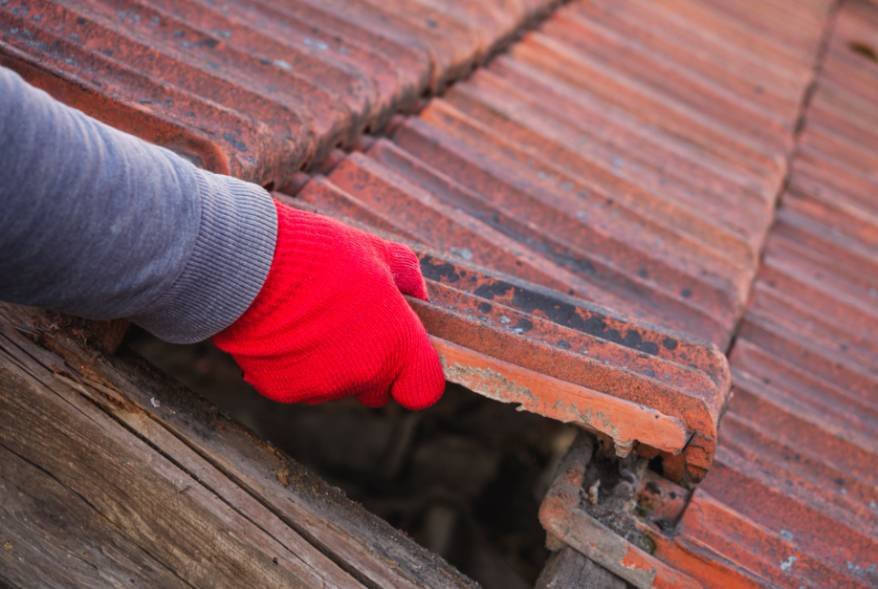
The roofer should explain whether the issue comes from damaged shingles, failed flashing, worn sealant, a roof penetration, storm damage, or deteriorated decking. I would also request photos so I can see the damage myself.
Before approving the proposed work, learn how to prepare for a professional roof inspection so you can gather relevant information and better understand the roof’s condition.
Is This a Real Repair or Just a Temporary Patch?
I would ask whether the work fixes the failed component or simply covers the symptom with sealant, roofing cement, or replacement shingles.
I would also ask whether the damage is localized or widespread. Repeated leaks, curling shingles, soft areas, or broad deterioration may justify replacement. The contractor should explain why repair makes more sense in my situation.
Does the Estimate Include a Line-by-Line Scope of Work?

A roof repair estimate should include more than “repair leak” and a total price. I want a clear scope showing what will be removed, repaired, replaced, sealed, and cleaned up.
The estimate should identify labor, shingles, underlayment when needed, flashing, sealants, disposal, and permit costs. I would also ask which brands or product lines will be used and whether they are compatible with the existing roof.
Are You Licensed and Properly Insured?
Licensing requirements vary by state and municipality, so I would ask whether the contractor is properly licensed and request the active license number where required.
I would also verify general liability insurance and workers’ compensation coverage. Instead of accepting only a screenshot, I would request current proof or a Certificate of Insurance from the contractor’s insurance agent.
What Happens If You Find Hidden Roof Damage?
Once shingles or underlayment come off, the crew may discover rotten wood, damaged decking, rusted flashing, or moisture deterioration.
Before work begins, I would ask how these items are priced. If plywood is charged per sheet or flashing by linear foot, I want those rates documented. I would also request photos and a written change order before extra work is performed whenever practical.
Who Will Perform and Supervise the Repair?
I would ask whether company employees, subcontractors, or temporary labor will perform the work. Subcontracting is not automatically a problem, but I want to know who is responsible for quality.
I would also ask who the onsite supervisor or project manager is and how I can contact that person.
Could the Repair Affect My Existing Roof Warranty?

Manufacturer warranties and workmanship warranties are different. I would ask whether the repair could affect or void an existing manufacturer warranty, especially if different materials or installation methods are involved.
I would also request the workmanship warranty in writing, including its duration, coverage, exclusions, and the process for service if the repaired area leaks again.
How Will You Protect My Property and Clean Up?
Roof work can affect landscaping, gutters, siding, windows, driveways, and outdoor furniture. I would ask how these areas will be protected and how debris will be removed.
Afterward, the crew should check the property for nails and fasteners. Many roofing contractors use magnetic sweepers for cleanup.
What Are the Payment Terms and When Can the Price Change?
Before signing the contract, I want the deposit, progress payments, and final-payment conditions documented. I would also ask what circumstances can increase the quoted price.
Hidden decking, additional flashing, or other unforeseen conditions may add cost, but the approval process should be clear before work starts.
How Will I Know the Roof Repair Worked?
I would request before-and-after photos and confirmation that the repaired area received a final inspection. For a roof leak repair, I would also ask what to monitor during the next heavy rain and whom to contact if water returns.
When Should I Get a Second Roofing Opinion?
I would get another opinion when the repair is expensive, the diagnosis is unclear, or one contractor recommends repair while another recommends replacement. A second roof inspection also makes sense when storm damage is involved, or the contractor cannot show clear evidence for the proposed work.
If concerns about moisture or roof performance remain unresolved, reviewing how to evaluate roof ventilation problems can help you identify another issue worth discussing with a qualified roofing professional.
What Are the Biggest Red Flags Before Approving Roof Work?
I would be cautious if a contractor refuses to provide a written estimate, cannot explain the cause of the leak, pressures me to sign immediately, or avoids questions about licensing, insurance, warranties, or hidden-damage pricing.
A vague scope such as “fix roof leak” is another warning sign. I want the repair method, materials, responsibilities, and possible additional charges documented before work starts.
If unexplained moisture or recurring roof problems raise concerns, review how to evaluate roof ventilation problems to understand whether inadequate airflow may be contributing to the issue.
Frequently Asked Questions
1. What should a roof repair estimate include?
It should identify the damaged area, repair method, labor, materials, flashing, underlayment when applicable, disposal, cleanup, permit costs, and the procedure for hidden damage or change orders.
2. Should I ask for proof of roofing insurance?
Yes. I would verify general liability and workers’ compensation coverage where applicable and request current documentation rather than relying on verbal confirmation.
3. Should a roofer provide photos before starting repairs?
Yes. Inspection photos can show the location and extent of the damage and help homeowners understand why a repair is recommended.
4. Is a workmanship warranty different from a manufacturer warranty?
Yes. A workmanship warranty generally covers installation-related issues, while a manufacturer warranty applies to eligible roofing products under its specific terms.
5. Should I compare more than one roof repair estimate?
For a substantial repair, I would usually compare multiple estimates. I would compare the repair scope, materials, warranty, hidden-damage policy, and contractor qualifications rather than choosing only by price.
Final Thoughts
The most useful questions to ask before approving a roof repair go beyond comparing prices. They show whether the contractor has diagnosed the problem correctly, documented the scope, planned for hidden damage, and provided meaningful warranty protection.
For US homeowners, I would not approve a significant repair until the contractor has explained the cause, provided a detailed written estimate, verified licensing and insurance, clarified extra-work pricing, identified who will supervise the project, and put warranty terms in writing. Asking the right questions to ask before approving a roof repair can reduce the risk of paying for a temporary fix or receiving an unexpected final bill.