A shower floor has to work hardest when it is covered in water, shampoo, and soap. That is why I would start a bathroom remodel by checking the tile’s intended use before choosing its color. An attractive sample can tell you about style, but it cannot explain how the finished floor will perform.
When researching slip-resistant shower floor tile: what to look for, I focus on manufacturer documentation, surface texture, tile size, drainage, and cleaning. These details work together. Understanding them helps you choose a floor that suits your household without relying on vague marketing promises.
Confirm Shower-Floor Suitability First
A tile labeled “bathroom suitable” may be intended for walls or the floor outside the shower. Neither description automatically confirms suitability for a sloped surface exposed to frequent water and barefoot traffic.
Request the technical sheet for the exact product, including its size and finish. A collection may contain polished field tiles, textured versions, and coordinating mosaics with different application recommendations.
Ask the supplier to confirm shower-floor suitability in writing. Share that information with your installer before ordering, especially if the design includes a curbless entrance or unusual drain arrangement.
Understand Slip Ratings Without Trusting One Number
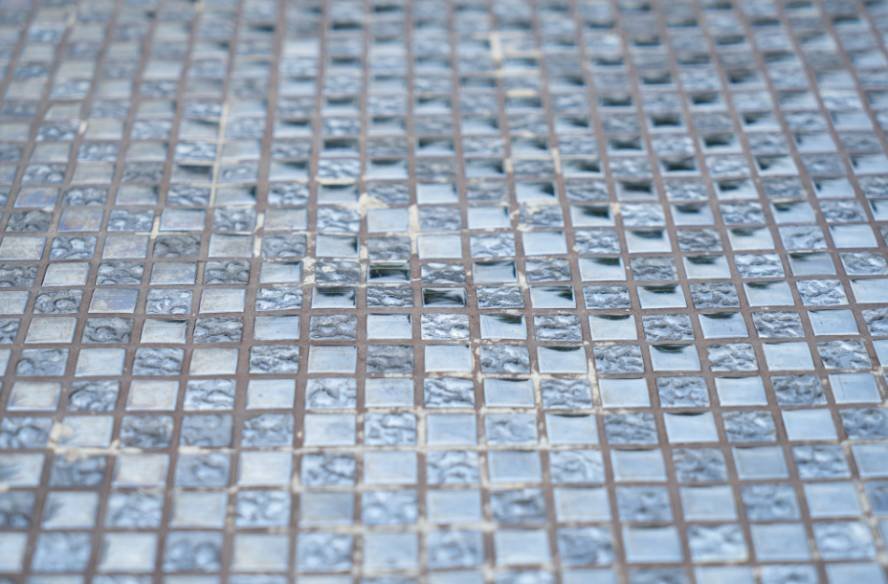
What DCOF Actually Tells You
Dynamic coefficient of friction, or DCOF, measures friction under specified test conditions. It provides useful information, but it does not predict whether an individual will slip.
The frequently quoted wet DCOF value of 0.42 relates to level interior wet-floor applications. It is not a universal shower-floor safety certificate. Showers introduce additional considerations, including slope, drainage, barefoot use, and contaminants.
Older static coefficient of friction results also should not be treated as directly interchangeable with DCOF measurements. Check which test method the specification identifies before comparing products.
Why Manufacturer Guidance Matters
Product-use classifications provide additional context, but the manufacturer’s recommendations and actual installation conditions remain essential. Mosaics and strongly profiled surfaces may require evaluation beyond a single published measurement.
A useful approach to slip-resistant shower floor tile: what to look for is to ask how the manufacturer supports the intended application. Avoid choosing solely because one product displays a higher number than another.
Compare Texture With Barefoot Comfort
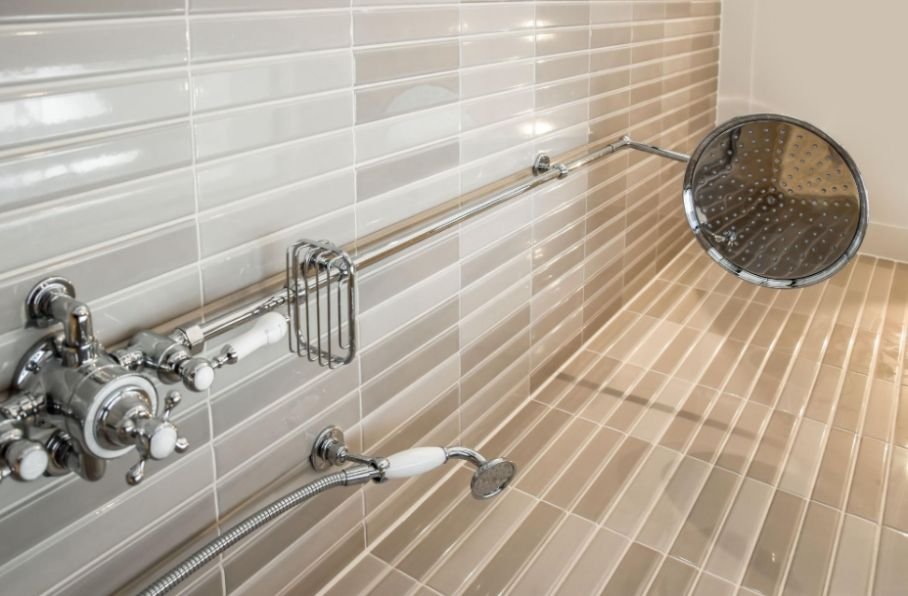
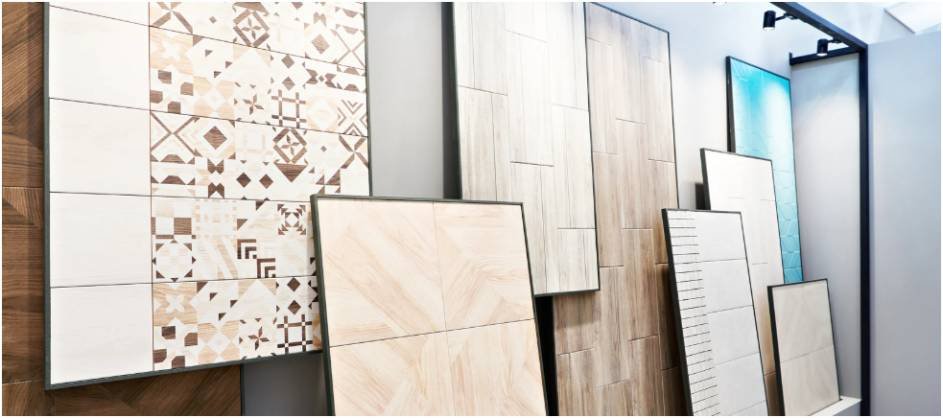
Matte and textured finishes are worth considering, but appearance alone does not establish wet performance. Two similar-looking tiles can have different surface properties and application limits.
Examine samples for sharp ridges, uncomfortable bumps, or deep recesses that could collect residue. Consider how the surface would feel during ordinary standing, turning, and cleaning.
Polished finishes deserve particular scrutiny because a smooth appearance can conceal limited wet traction. Likewise, a rough surface is not automatically appropriate for every household.
Use samples to judge comfort and maintenance needs. A casual showroom touch test cannot replace documented product suitability.
Match Tile Size to the Drain Layout
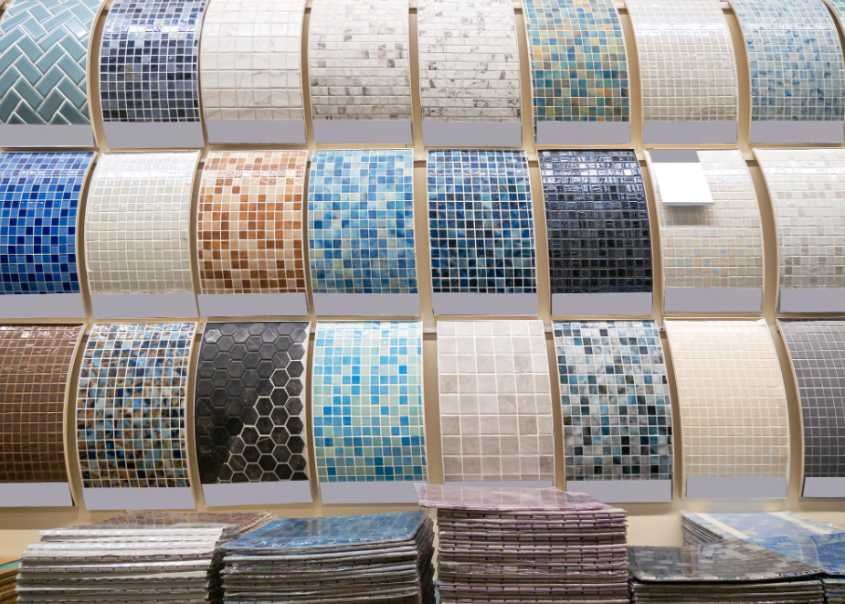
Small mosaics often suit shower floors because individual pieces can follow the changes in slope around a center drain. Formats around 1 or 2 inches are common options, although the shower system may impose minimum tile-size requirements.
Additional grout joints can contribute texture, but they do not make every mosaic slip-proof. Tile finish, grout installation, drainage, and cleaning still matter.
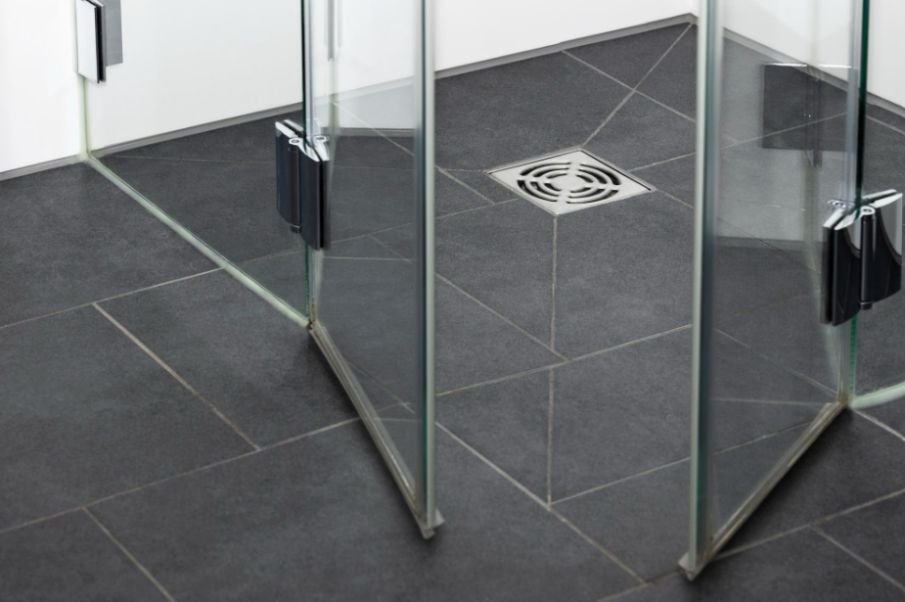
Larger tiles require careful planning around slope changes. A linear drain may allow a single-plane layout, while other arrangements can require additional cuts. Have the installer explain how the selected format will drain without creating uneven edges or pooling.
Choose Materials With Maintenance in Mind
Porcelain is a practical starting point because of its low water absorption and broad design selection. However, porcelain describes the tile body, not a guaranteed level of traction. Confirm the exact product’s intended use.
Ceramic, natural stone, glass, and pebble products require the same product-specific evaluation. Some options are suitable; others are intended primarily for walls or different applications.
Natural stone may need sealing and specialized cleaners. Rounded pebbles can feel uncomfortable underfoot, while irregular surfaces may demand more careful drainage detailing. Compare these ownership requirements alongside appearance and price.
Tile pattern and arrangement also influence the finished floor’s appearance, especially in spaces where the layout needs careful planning. While hallway flooring has different requirements from a shower floor, comparing pattern options can help you understand how tile shapes and layouts affect the overall look. Explore these best tile patterns for narrow hallways for design inspiration when planning other tiled areas in your home.
Balance Grout Joints and Cleaning Effort
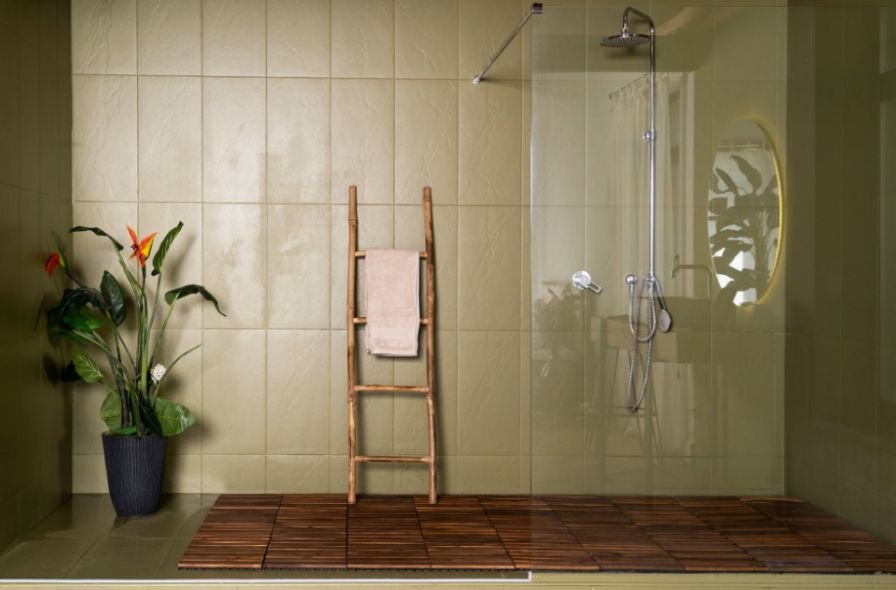
Smaller tiles mean more grout joints to maintain. Soap residue and mineral deposits can accumulate across both the joints and tile faces.
Ask your installer which grout is compatible with the tile and shower system. Epoxy grout can offer stain resistance, while cement-based products have varying maintenance requirements. Follow the selected product’s instructions rather than assuming every grout needs sealing.
Grout color can also influence the finished appearance of a tiled shower floor, especially when small mosaics create many visible joints.
Choosing a shade that complements the tile while considering everyday cleaning can help balance appearance and maintenance. Explore these tips on how to choose grout colors for mosaic tiles to compare shades and plan a cohesive finish.
Choose cleaners approved for the complete installation. Avoid waxes or coatings unless their manufacturers specifically support the intended wet application. Regular residue removal helps preserve the surface characteristics you selected.
Check the Complete Shower Installation
Even an appropriate tile cannot correct poor drainage or replace waterproofing. The shower needs a compatible waterproofing assembly beneath its finish, with properly detailed connections and penetrations.
Ask the installer how the slope, drain, tile thickness, and entrance transition will work together. Discuss any standing water, uneven joints, or sharp edges before accepting the finished installation.
Careful layout planning helps coordinate tile placement with the shower slope, drain position, and entrance transitions.
Before installation begins, review tile dimensions and planned cuts with your installer to help avoid uneven edges and awkward joins. These tips on how to plan a tile layout before installation can help you prepare the arrangement for a more consistent finish.
For households with changing mobility needs, also consider entry access, lighting, and professionally planned grab bars. Tile selection is one part of making the shower easier to use.
Frequently Asked Questions
1. What matters most when choosing a shower floor?
For slip-resistant shower floor tile: what to look for, begin with documented suitability for the exact product. Then assess its finish, format, drainage compatibility, barefoot comfort, and maintenance requirements together.
2. Are small tiles always less slippery?
No. Frequent grout joints can contribute traction, but small size alone does not establish suitability. Check the tile’s surface characteristics, manufacturer guidance, and compatibility with the shower assembly.
3. Can wall tile be used on the shower floor?
Only when the manufacturer approves that exact tile for the intended floor application. Water exposure suitability alone does not establish adequate floor performance.
Final Thoughts
I would choose a shower floor by reviewing its specifications and installation plan before committing to a finish. That approach makes it easier to balance comfort, cleaning, and appearance. A well-informed choice starts with the exact product and ends with a properly installed, maintained shower.