
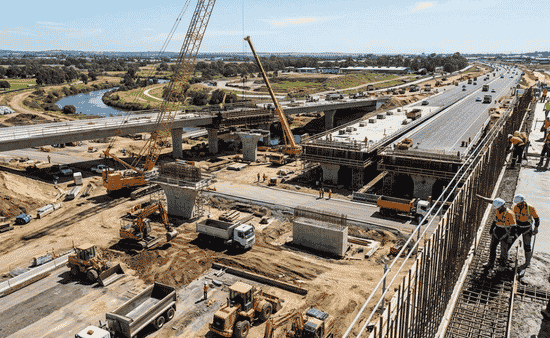
Civil contracting is a pivotal sector within the infrastructure development industry, encompassing a wide range of projects essential to the growth and sustainability of urban and rural environments. Among the many firms operating in this space, ironstone civil contractors have distinguished themselves as leaders in delivering high-quality civil infrastructure solutions.
The Role of Civil Contracting in Infrastructure
Civil contracting involves the construction and maintenance of public works such as roads, bridges, dams, airports, and water systems. These projects require meticulous planning, engineering expertise, and efficient project management to meet safety standards and timeframes.
Well-executed civil contracts contribute significantly to economic development by improving connectivity and public utilities.
Expertise Required in Civil Contracting
Specialist knowledge in several disciplines is crucial for civil contractors. These include geotechnical engineering, environmental compliance, structural engineering, and resource management. Firms like ironstone civil contractors leverage this multidisciplinary expertise to deliver projects that are both innovative and sustainable.
Project Management and Execution
A successful civil contracting firm must exhibit strong project management capabilities. This encompasses resource allocation, scheduling, risk mitigation, and stakeholder communication. Effective management ensures projects are completed within budget and without delays, which is a hallmark of ironstone civil contractors.
Ironstone Civil Contractors’ Approach to Infrastructure Development

Ironstone civil contractors focusing on infrastructure development adopt a client-centric approach, tailoring construction methodologies to the specific needs of each project. Their services include earthworks, road construction, drainage systems, and utility installations, all designed to support long-term community needs.
Emphasis on Quality and Safety Standards
Compliance with rigorous quality and safety protocols is fundamental in civil contracting. Ironstone civil contractors implement comprehensive safety management systems to safeguard workers and the public, all while ensuring that every project meets national and international regulatory standards.
Sustainable Construction Practices
In contemporary infrastructure development, sustainability plays an increasingly important role. Utilising environmentally friendly materials and techniques, reducing waste, and employing energy-efficient equipment are among the strategies used by ironstone civil contractors to minimise the environmental impact of their projects.
Technological Innovations in Civil Contracting
Technology has transformed civil contracting by introducing advanced tools such as Building Information Modelling (BIM), drone surveying, and GPS-controlled machinery. These innovations enable greater precision, improved project planning, and enhanced safety on site. Leaders like ironstone civil contractors continue to integrate cutting-edge technology to optimise their operations.
Community Engagement and Project Transparency
Public infrastructure projects often affect local communities directly. Recognising this, ironstone civil contractors prioritise transparent communication and community engagement throughout project lifecycles. This fosters trust and facilitates smoother project delivery by addressing stakeholder concerns proactively.
Training and Development of Workforce
A skilled workforce is a critical asset to any civil contracting firm. Ironstone civil contractors invest in continuous training and professional development to ensure employees are equipped with the latest knowledge and skills relevant to modern civil engineering and construction practices.
Challenges in Civil Contracting and Strategies to Overcome Them

Civil contracting faces several challenges, including fluctuating material costs, complex regulatory environments, and unpredictable weather conditions. Firms like ironstone civil contractors address these challenges through robust risk management strategies, flexible procurement practices, and adaptive project scheduling.
Importance of Collaboration in Infrastructure Projects
Infrastructure development often involves coordination between government bodies, engineers, architects, and contractors. Maintaining effective collaboration is essential to align project objectives, resolve conflicts, and achieve optimal outcomes. Ironstone civil contractors have demonstrated a strong ability to foster partnerships across various sectors.
Future Trends in Civil Contracting
Looking ahead, civil contracting is expected to evolve with greater emphasis on sustainable infrastructure, digitalisation, and smart cities. Firms well-positioned to adapt to these trends, such as ironstone civil contractors, will continue to play a pivotal role in shaping resilient and technologically advanced environments.
Conclusion
The significance of civil contracting in infrastructure development cannot be overstated. Companies like ironstone civil contractors set industry standards through their commitment to quality, safety, sustainability, and innovation.
Their comprehensive approach ensures that infrastructure projects not only meet current demands but also support future growth and wellbeing of communities.
For stakeholders seeking reliable and expert services in civil contracting, engaging with established firms such as ironstone civil contractors presents a strategic advantage in realising successful infrastructure outcomes.