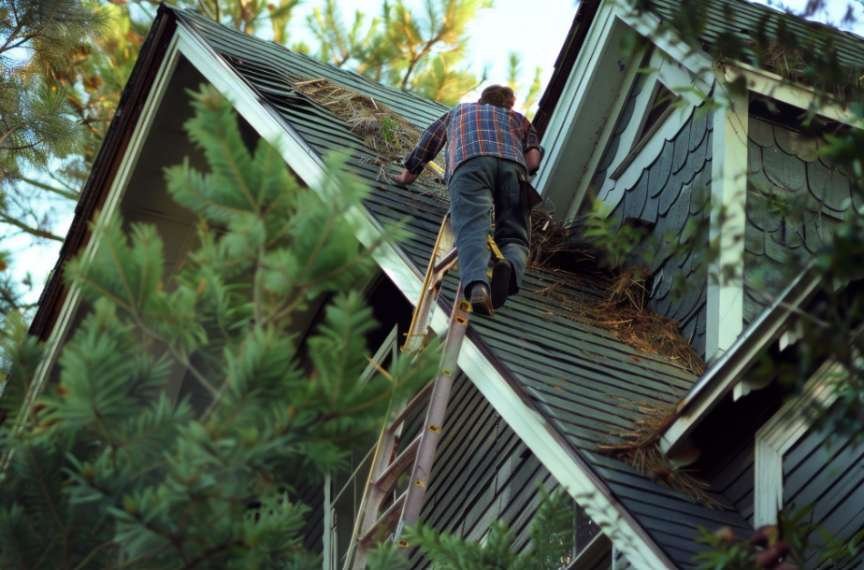
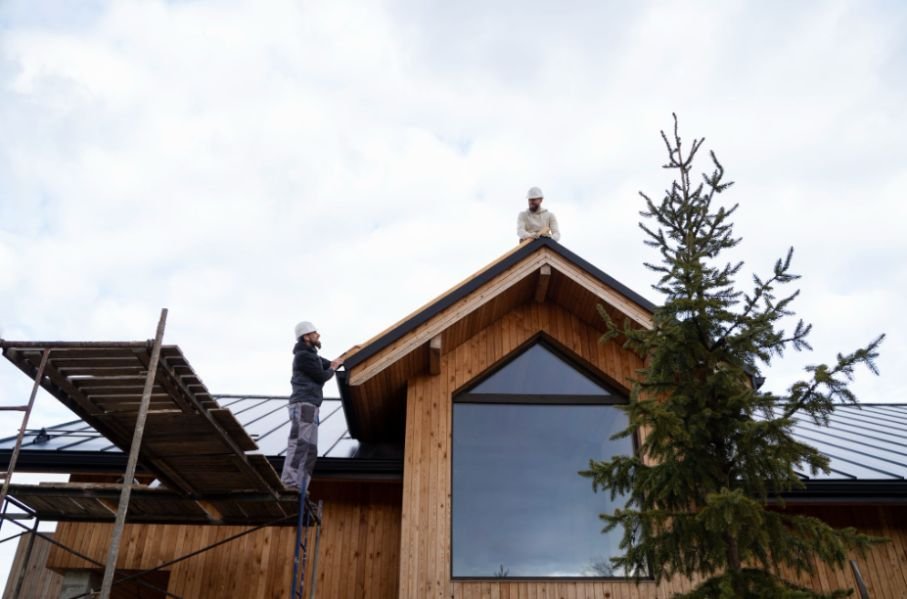
A roof inspection can reveal more than missing shingles. It may uncover leaks, damaged flashing, poor drainage, ventilation problems, or storm damage that needs attention. When I schedule an inspection, I want the professional to spend time evaluating the roof, not moving boxes or waiting for access. Knowing how to prepare for a professional roof inspection helps make the visit safer, faster, and more useful.
For US homeowners, preparation is especially important after hail, high winds, hurricanes, or severe thunderstorms because the inspector may need clear details about when damage appeared.
What Should I Do Before a Roof Inspector Arrives?
I focus on access, information, and safety. I clear exterior work areas, make the attic accessible, gather roof records, and note anything unusual. I do not climb onto the roof, pressure-wash shingles, or make cosmetic repairs before the visit.
Those last-minute fixes can create safety risks and may hide conditions the inspector needs to evaluate.
Clear Driveways, Walkways, and Ladder Access
Inspectors need enough room to view the roofline, assess visible roof coverings, and position ladders safely. I would move cars, bicycles, trash cans, grills, patio furniture, planters, children’s toys, and fragile decorations away from likely work areas.
I would also unlock backyard gates and make sure side yards are clear.
If shrubs or tree branches block the roofline, I would trim only vegetation I can safely reach from the ground and leave high or heavy branches to a qualified tree professional. Roofing professionals also commonly recommend removing exterior obstacles so inspectors can move safely around the property.
Clear, stable outdoor walking surfaces also help people move safely around a property during maintenance work. Where a home has a raised patio or paved outdoor area, adjustable paving support systems can help create a level surface and accommodate uneven underlying ground. These systems are worth considering when planning exterior improvements that need stable, well-supported paving.
Prepare the Attic and Rooms With Water Stains
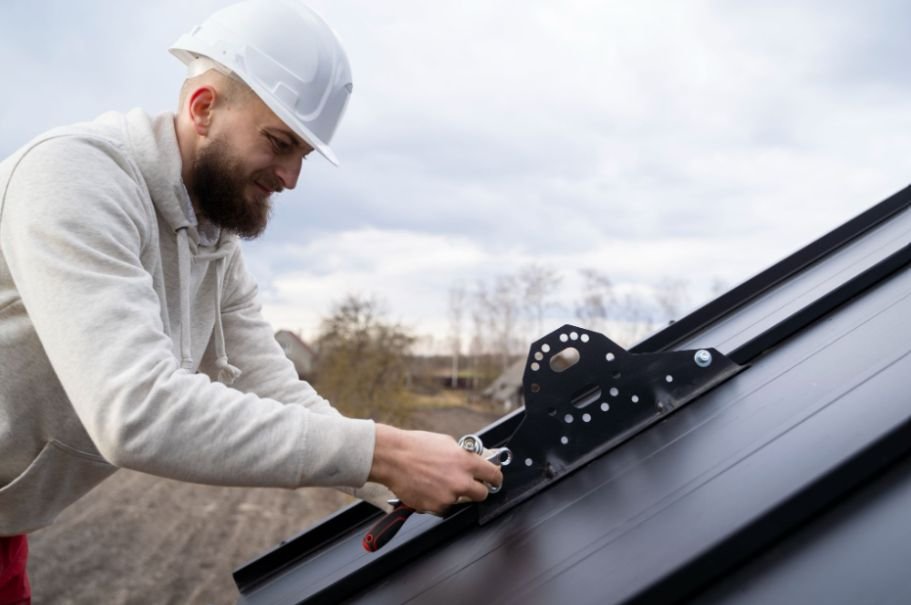
A thorough roof inspection may include accessible attic and interior areas because roofing problems often leave clues below the surface.
An inspector may look for water stains, damp insulation, deteriorated roof decking, ventilation issues, or other evidence of moisture intrusion.
I would clear the attic hatch, pull-down stairs, or closet opening and move boxes, clothing, or other stored items away from the entrance.
If I have a ceiling stain, peeling paint, or a wall that becomes damp during storms, I would make that room easy to access. I would avoid repainting or covering the stain before the inspection because its location can help the inspector investigate the leak.
If you notice an active roof leak before the inspection, take steps to protect the interior without attempting dangerous roof repairs.
Move furniture and valuables away from the affected area, collect dripping water in a container if safe, and document the damage with photos. Follow these steps for handling a leaking roof before a contractor arrives to help limit interior damage while waiting for professional assistance.
Gather Roof Records, Warranties, and Repair History
Good documentation gives a roof inspector valuable context.
I would gather previous inspection reports, repair invoices, installation records, photos, insurance-related documents, and information about the approximate age of the roof.
I would also locate manufacturer warranties and contractor workmanship warranties. These records can show what materials were installed, what repairs have already been completed, and whether a current problem may relate to earlier work. NRCIA (The National Roof Certification and Inspection Association) also recommends providing relevant roof history and documents when available.
Create a Problem List Before the Appointment
I would write down every issue I have noticed instead of trying to remember everything while the inspector is at the house.
That could include missing shingles, rusted flashing, sagging gutters, ceiling stains, unusual drafts, pooling water, or visible storm damage.
For roof leaks, I would record the location, timing, frequency, and weather conditions.
For example, saying, “Water appears above the upstairs bedroom during wind-driven rain,” gives the inspector far more useful information than simply saying, “My roof leaks.”
Photos taken when a stain was wet or immediately after severe weather can also provide valuable evidence.
Secure Pets and Notify Everyone at Home

Roof inspections can involve ladders, footsteps overhead, tools, and professionals moving through side yards or interior areas.
I would secure dogs and other pets in a safe indoor room so they do not become frightened or interfere with the inspector.
I would also notify family members, tenants, or anyone working from home so no one is surprised by attic access, ladder movement, or temporary noise around the property.
Tell the Inspector Why You Scheduled the Inspection
The reason for the inspection matters.
I might be investigating a roof leak, checking hail or wind damage, preparing to sell a home, buying a property, evaluating an aging roof, planning solar panel installation, or deciding between roof repair and roof replacement.
At the beginning of the appointment, I would explain my main concern and mention recent hail, strong winds, falling branches, or other severe weather.
This is another reason why preparing for a professional roof inspection matters: the right background information helps the inspector pay closer attention to the areas most relevant to my situation.
What Does a Professional Roof Inspector Usually Check?
The exact inspection scope varies, but a professional may examine roofing materials, shingles, flashing, vents, skylights, chimneys, gutters, downspouts, eaves, soffits, fascia, visible structural components, and accessible attic areas.
During the inspection, homeowners should pay particular attention to any signs of deterioration that could allow water inside or compromise the roof’s condition.
Missing shingles, damaged flashing, persistent leaks, sagging areas, and poor drainage are all issues worth discussing with the inspector. Learn more about what roof problems homeowners should never ignore to understand which warning signs may require prompt attention.
NRCIA describes similar exterior checks involving shingles, flashing, gutters, vents, and chimneys, along with interior evaluation for roof leaks and ventilation concerns.
An inspector may also decide not to walk on a roof if it is wet, icy, excessively steep, fragile, or otherwise unsafe.
That is why homeowners should never climb onto the roof simply to prepare it for inspection.
What Questions Should I Ask the Roof Inspector?
Before the appointment ends, I would ask whether the inspector found any active leaks, which problems need immediate roof repair, which conditions can simply be monitored, and whether any areas could not be inspected.
I would also ask whether the final roof inspection report includes photographs and whether the findings point to a localized repair or a larger roofing problem.
If roof replacement is recommended, I would ask what specific evidence supports that recommendation.
What Should a Good Roof Inspection Report Include?

A useful roof inspection report should explain what was inspected, where problems were found, and what should happen next.
Photos are particularly valuable because they allow homeowners to see cracked shingles, damaged flashing, deteriorated roofing materials, or other defects without climbing onto the roof themselves.
NRCIA’s reporting guidance emphasizes clear explanations and photographic documentation when recording roof damage.
The report should also identify inaccessible areas and separate urgent repairs from routine roof maintenance.
Frequently Asked Questions
1. Should I clean my roof before an inspection?
Usually, no. I would clear safe ground-level access but avoid pressure washing, aggressive roof cleaning, or climbing onto the roof before the appointment.
2. Do roof inspectors need access to the attic?
Not every inspection has the same scope, but attic access can reveal moisture stains, poor roof ventilation, damp insulation, and roof-deck problems that may not be visible outside.
3. What documents should I have ready for a roof inspection?
I would gather previous roof inspection reports, installation records, repair invoices, photographs, manufacturer warranties, workmanship warranties, and relevant storm or insurance documents.
4. Should I move my car before a roof inspection?
Yes, if it is parked close to the house or near a likely ladder location. Moving vehicles creates safer working space and helps protect them from accidental damage.
5. Should I be home during the roof inspection?
Being available can help because I can show the inspector known problem areas and answer questions about previous roof repairs, leaks, or storm history.
Final Thoughts
Learning how to prepare for a professional roof inspection does not mean repairing or cleaning the roof before the professional arrives. I would focus instead on safe access, attic clearance, visible problem areas, roofing records, leak notes, pets, and clear communication.
That preparation can make the inspection more efficient and give me a much clearer picture of what needs immediate attention, what can be monitored, and how I should plan for the future of my roof.