A roof leak can damage much more than shingles and ceilings. Water can move through roof decking, rafters, insulation, drywall, and electrical areas before you even notice the first stain indoors. If I discovered water entering my attic, I would act quickly because trapped moisture can reduce insulation performance and increase the risk of mold and structural deterioration.
Knowing how to protect attic insulation after a roof leak starts with stopping the water, identifying how far it traveled, drying the attic correctly, and replacing only the insulation that cannot be safely restored.
What Should You Do Immediately After a Roof Leak?
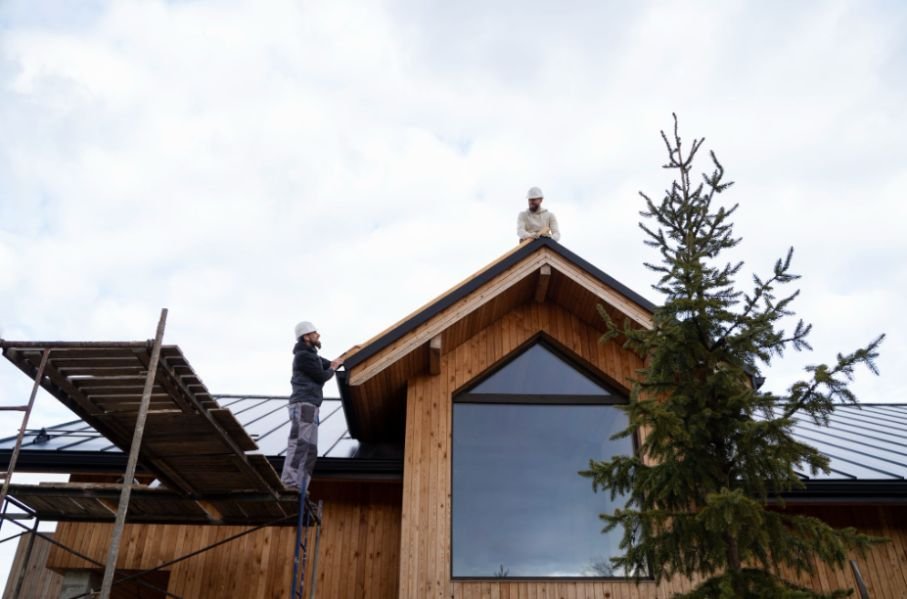
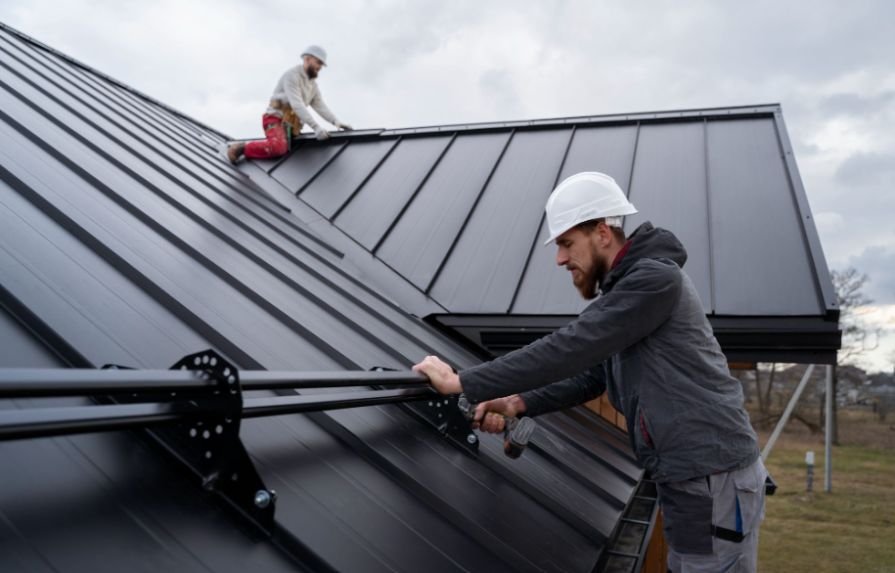
The first step is to stop additional water from entering the attic. Contact a licensed roofing contractor to identify and repair damaged shingles, flashing, roof penetrations, vent boots, valleys, skylights, or other failed roofing components.
If rain is still entering before permanent repairs can be completed, a roofer may recommend temporary tarping. Inside the home, place a bucket beneath active drips where it is safe to do so. Small drips can sometimes be directed into a container using a string, while absorbent materials can help control water that has already reached accessible surfaces.
While waiting for professional repairs, follow these steps on how to handle a leaking roof before a contractor arrives to manage active leaks safely and limit further water damage.
If a ceiling below the attic is visibly bulging with water, keep people away from the area. Water-loaded drywall can fail unexpectedly. Professional assistance is the safest option when significant ceiling sagging, electrical exposure, or structural damage is present.
Before authorizing the repair, review these questions to ask before approving a roof repair to understand the proposed repair method, materials, scope of work, and potential additional costs.
RetroFoam also recommends containing active water, documenting damage, drying affected materials, and repairing the roof promptly rather than allowing moisture to remain inside the home.
How Do You Check Wet Attic Insulation After a Roof Leak?

Once the leak is controlled, inspect more than the spot directly below the damaged roof.
Water can travel along rafters, roof sheathing, fasteners, wiring, and framing before dripping into insulation. Check nearby joists, roof decking, drywall, and insulation for dampness, staining, compression, or musty odors.
A moisture meter can help identify moisture that is not obvious by touch. For extensive damage, I would consider having a restoration professional measure the roof decking and framing rather than relying only on surface appearance.
ENERGY STAR specifically lists wet insulation, moldy or rotted framing, inadequate ventilation, and certain older wiring conditions as situations where professional help may be appropriate before continuing attic insulation work.
Can Wet Attic Insulation Be Saved or Does It Need Replacement?
The answer depends heavily on the insulation material and the extent of saturation.
Can Wet Fiberglass Insulation Dry Out?
Fiberglass does not absorb moisture exactly like cellulose, but water can become trapped between the fibers and against surrounding materials.
Lightly damp fiberglass may sometimes dry successfully if it stays clean and retains its loft. Saturated or flattened fiberglass may lose insulating effectiveness and should be evaluated for replacement.
Paper-faced batts deserve extra attention because the paper facing and nearby wood or drywall can support mold when they stay damp.
Should Wet Cellulose Insulation Be Removed?
Cellulose typically reacts more poorly to significant water exposure.
Because it is made largely from recycled paper fiber, wet cellulose can become heavy, compressed, and clumped. Once it settles, it may no longer provide the same thermal resistance even after moisture levels fall.
Heavily soaked cellulose usually makes replacement more practical than attempting to restore its original depth and performance.
What Happens If Mineral Wool Gets Wet?
Mineral wool generally tolerates moisture better than cellulose and does not readily provide food for mold itself.
However, surrounding wood, drywall paper, dust, and other organic material can still remain damp. The framing must therefore be fully dried before insulation goes back into position.
Does Spray Foam Need to Be Removed After a Roof Leak?
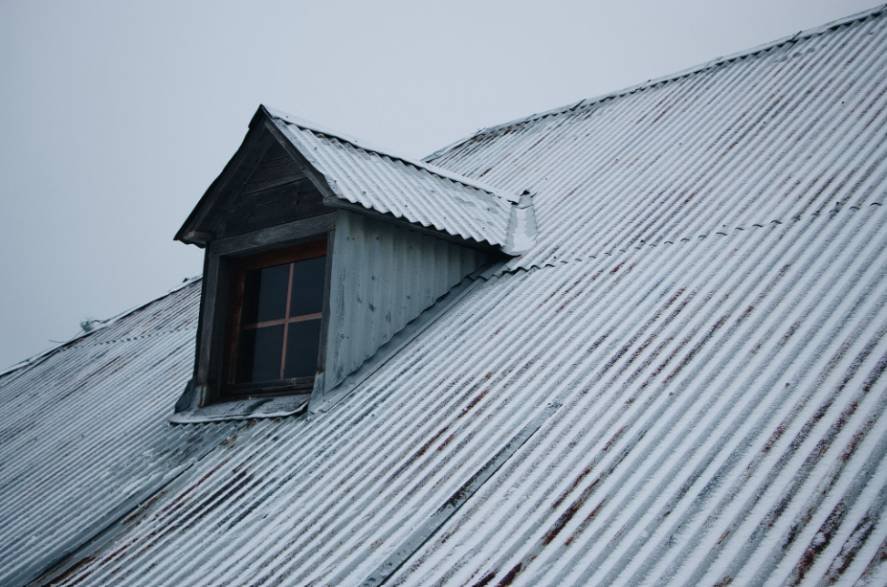
Spray foam behaves differently depending on whether it is open-cell or closed-cell foam.
Closed-cell foam resists water absorption more strongly, while open-cell foam is more vapor permeable. In either case, the important question is whether moisture became trapped between the foam and roof sheathing.
If a spray-foamed roof assembly leaks, I would have the roof deck inspected carefully before assuming the assembly is dry.
How Quickly Should Wet Insulation and Attic Materials Be Dried?
Speed matters because mold prevention depends mainly on moisture control.
The US Environmental Protection Agency recommends drying water-damaged materials and areas within roughly 24 to 48 hours when possible. The EPA also emphasizes fixing the water source because mold problems can return if the moisture problem remains.
That does not mean every piece of insulation automatically develops mold at 48 hours. It means the risk rises when damp building materials remain wet.
If I noticed musty odors, dark spotting, prolonged dampness, or visible growth, I would not simply cover the insulation with new material.
How Do You Remove Damaged Insulation and Dry the Attic?
Remove insulation that is saturated, contaminated, badly compressed, mold-affected, or physically deteriorated.
For appropriate DIY situations, wear gloves, eye protection, protective clothing, and a suitable dust mask or respirator. ENERGY STAR also recommends precautions such as walking only on framing or appropriate work surfaces rather than exposed drywall. Older vermiculite insulation should not be disturbed unless asbestos risk has been properly addressed.
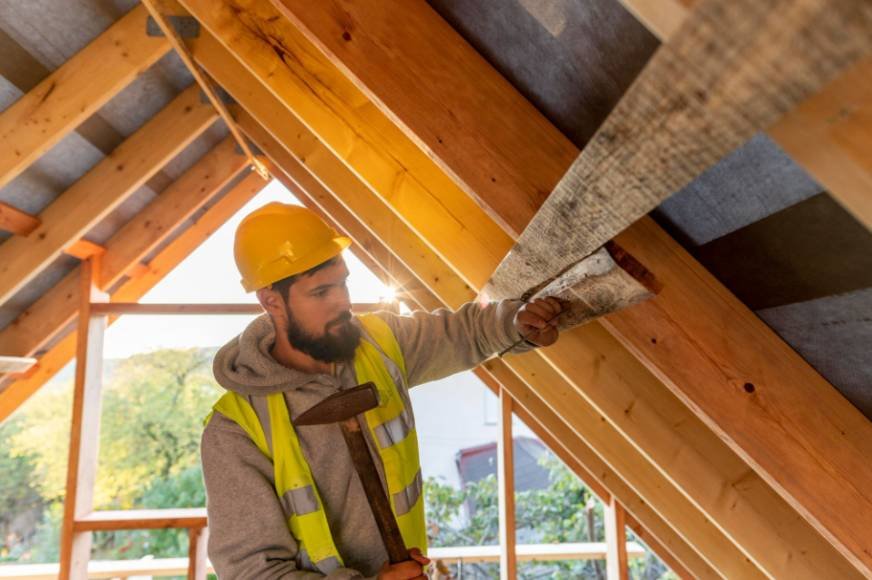
Pull damaged insulation back far enough to inspect the roof sheathing, ceiling joists, and rafters beneath it.
Then dry the structure thoroughly. Depending on the situation, this may involve improved airflow, fans, dehumidification, or professional water-damage equipment.
Do not reinstall insulation simply because the wood looks dry. Moisture can remain inside building materials after the surface appears normal.
Should You Use Antimicrobial Spray After an Attic Leak?
I would not treat antimicrobial spray as an automatic step.
The first priority is always to remove the water source, dry the materials, and properly clean or remove mold-affected materials when necessary. Spraying a chemical treatment over damp material does not solve an active moisture problem.
EPA guidance consistently identifies moisture control as the key to preventing recurring mold growth.
If significant mold has developed, professional remediation may be more appropriate than simply applying a spray.
Should You Air Seal Before Installing New Attic Insulation?
Yes, provided the area is already dry and the moisture problem has been corrected.
Removing damaged insulation may expose air leaks around plumbing pipes, electrical penetrations, top plates, attic hatches, duct chases, and other openings.
Sealing those gaps before reinstalling insulation can improve comfort and energy efficiency. ENERGY STAR recommends attic air sealing before adding insulation because it is much easier to address hidden openings while they remain accessible.
How Do You Re-Insulate the Attic Without Trapping Moisture?
Only install replacement insulation after the roof leak has been repaired and the roof deck, rafters, joists, and ceiling materials are dry.
Choose an insulation level appropriate for your US climate zone, existing construction, and local energy requirements instead of assuming that one R-value works for every home.
Also keep soffit vents open. Insulation baffles or rafter vents can maintain airflow between soffit and upper roof vents. ENERGY STAR specifically recommends baffles when adding attic insulation so soffit vents do not become blocked.
Proper airflow is essential for managing attic moisture, so learn how to evaluate roof ventilation problems to identify issues that could contribute to recurring dampness and roof-related damage.
Never bury damp insulation beneath fresh material. Doing so can trap moisture and hide a problem that continues damaging the attic.
How Can You Prevent Attic Insulation From Getting Wet Again?

Long-term protection starts at the roof.
Inspect shingles, flashing, pipe boots, valleys, skylights, vents, and other penetrations periodically. Clean gutters and downspouts so water drains away properly. In colder US climates, also pay attention to ice dams because attic heat loss and roof temperature differences can contribute to water backing beneath roofing materials.
After severe thunderstorms, hurricanes, hail, heavy snowfall, or wind events, I would check previously repaired areas for new staining or dampness.
Understanding how to protect attic insulation after a roof leak also means monitoring the repair after the emergency ends. Check the attic again after several heavy rains to confirm the original entry point is truly sealed.
When Should You Call a Roofing or Water-Damage Professional?
Professional help becomes especially important when you have widespread saturation, sagging drywall, visible mold, wet electrical components, damaged roof framing, inaccessible attic areas, or a leak you cannot locate confidently.
You should also avoid disturbing unknown insulation in older US homes until potentially hazardous materials have been ruled out.
A roofing contractor can correct the entry point, while an insulation or restoration professional can determine whether insulation should be dried, removed, or replaced.
Frequently Asked Questions
1. Can wet attic insulation dry out on its own?
Slightly damp fiberglass or mineral wool may sometimes dry if the leak is repaired quickly and adequate airflow is available. Saturated, contaminated, compressed, or mold-affected insulation may require replacement.
2. Does wet attic insulation always need to be replaced?
No. Replacement depends on the material, degree of saturation, contamination, physical condition, and how long it remained wet.
3. How long can attic insulation stay wet before mold becomes a concern?
The EPA recommends drying wet building materials within about 24 to 48 hours when possible to reduce mold risk. Faster drying is generally preferable.
4. Can I put new insulation over wet attic insulation?
No. Don’t install new insulation over damp or damaged material because it can trap moisture and hide ongoing water damage.
5. Should I run a fan or dehumidifier in a wet attic?
Fans or dehumidification may help in some situations, but the roof leak must be stopped first. Larger or inaccessible wet areas may require professional drying equipment.
6. How do I know whether roof decking is dry enough to reinsulate?
Appearance alone may not be reliable. A moisture meter or professional moisture assessment can help determine whether wood and other materials have dried adequately before insulation is replaced.
Final Thoughts
A roof leak does not automatically mean every inch of attic insulation must come out. The correct response depends on the insulation type, amount of water, duration of exposure, and condition of the surrounding structure.
When I consider how to protect attic insulation after a roof leak, I focus on the entire system: stop the leak, control active water, inspect hidden moisture, remove damaged insulation, dry the framing, manage mold risk, air seal exposed gaps, preserve ventilation, and reinstall insulation only after the attic is ready.
Acting quickly can protect energy efficiency while preventing a manageable roof leak from becoming a much more expensive insulation, mold, or structural repair.