
I find that white cabinets make choosing a backsplash surprisingly difficult. A tile that looks beautiful online can appear too yellow, too gray, or too busy beside the actual cabinet finish. The difference often comes down to undertones, grout, and the countertop already in place.
When comparing kitchen backsplash tile ideas for white cabinets, I start with the whole room rather than an isolated sample. These options offer ways to introduce warmth, texture, and personality while keeping everyday cleaning and installation in mind.
Start With Your Cabinet White and Countertop
White cabinetry can lean creamy, gray, or crisp and cool. Hold tile samples vertically beside a cabinet door, then check them in daylight and under your evening lighting. Two whites that seem identical in a showroom may look noticeably different at home.
Your countertop also helps set the direction. Strongly patterned granite usually benefits from quieter tile. Solid quartz leaves more room for decorative shapes or color. Butcher block introduces warmth, while black countertops create an opportunity for either bright contrast or a darker, coordinated backsplash.
Backsplash Tile Ideas Worth Bringing Home
Classic White Subway Tile
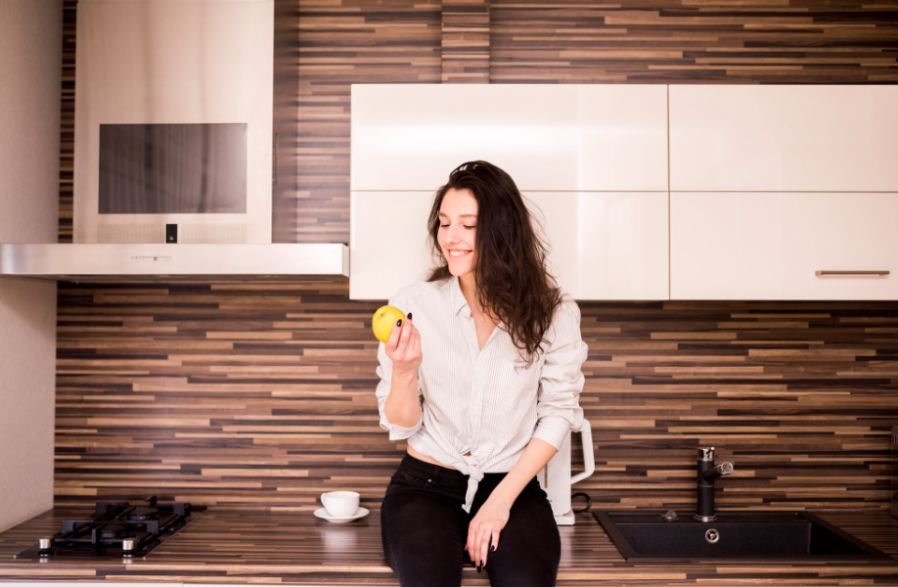
White subway tile suits Shaker cabinets, traditional kitchens, and simple contemporary spaces. Matching grout softens the grid, while gray or charcoal grout emphasizes each rectangle. Try a familiar 3-by-6-inch format or longer tiles for a different rhythm. Compare actual samples before assuming every white tile matches.
Vertical Stacked Tile
Installing rectangular tile vertically creates a clean, ordered pattern that draws attention upward. It works particularly well around open shelves or a range hood. Keep grout close to the tile color for a restrained finish, and plan the layout carefully so narrow cuts do not dominate exposed edges.
Handmade-Look Ceramic
Handmade-look ceramic introduces subtle surface movement without requiring a bold color. Soft white or ivory shades can give painted cabinets more depth. Compare several pieces because variation is part of the effect. Also inspect the texture: pronounced ridges and uneven surfaces can require more effort to wipe clean.
Marble-Look Porcelain
Marble-look porcelain provides veining without the same care requirements as natural marble. Choose restrained gray veining for a quiet kitchen or warmer markings beside creamy cabinets. If the countertop already has dramatic movement, avoid another competing pattern. View multiple tiles together to check how frequently the printed design repeats.
Natural Marble Tile
Natural marble offers individual variation and a softer, organic appearance. Small rectangular pieces, hexagons, or restrained mosaics can complement white cabinetry. However, marble can stain and react to acidic substances. Follow the supplier’s sealing and cleaning guidance, and remember that sealer does not prevent acid etching.
Sage Green Tile
Sage green adds gentle color beside white cabinets, wood shelves, and brushed brass hardware. A simple rectangular shape keeps the combination approachable. Test green samples against nearby flooring because some shades lean gray, yellow, or blue. The right choice should connect with existing finishes rather than introduce an unrelated undertone.
Blue Ceramic or Glass
Pale blue creates a lighter backdrop, while navy offers stronger contrast. Glazed ceramic and glass provide different reflective effects, so inspect them under under-cabinet lighting. With glass, follow product-specific installation instructions because the setting material can affect the finished appearance. Keep nearby accessories restrained when the tile carries strong color.
Warm Beige or Greige Tile
Beige and greige can soften a kitchen with white cabinets and warm wood flooring. They are especially useful when bright white tile makes the cabinetry look yellow by comparison. Choose the shade alongside the countertop rather than separately. A subtle finish and coordinated grout can keep the wall visually calm.
Black or Charcoal Tile
Dark tile gives white cabinets definition and can connect with black hardware or countertops. Matte and glossy finishes produce different effects, particularly under task lighting. Consider maintenance before choosing: dark surfaces can show pale splashes and residue. Bring home a sample and test how easily ordinary cooking marks wipe away.
Hexagon, Picket, or Patterned Tile
Geometric shapes create interest even in neutral colors. Decorative tile can also make a statement beyond the kitchen, especially when you want to introduce texture or a focal point without redesigning the entire room. In a bathroom, mosaic tiles can bring color, pattern, and visual depth to a vanity wall or another suitable feature area.
Explore these ideas for creating a mosaic accent wall in your bathroom for inspiration on using tile to add character to other spaces in your home.
Hexagons feel graphic, while elongated pickets offer a different alternative to rectangles. Patterned ceramic can become a focal point behind the range. Keep surrounding surfaces quieter, and lay out several pieces first to understand how the pattern reads across a larger area.
Choose Grout and Finish Together
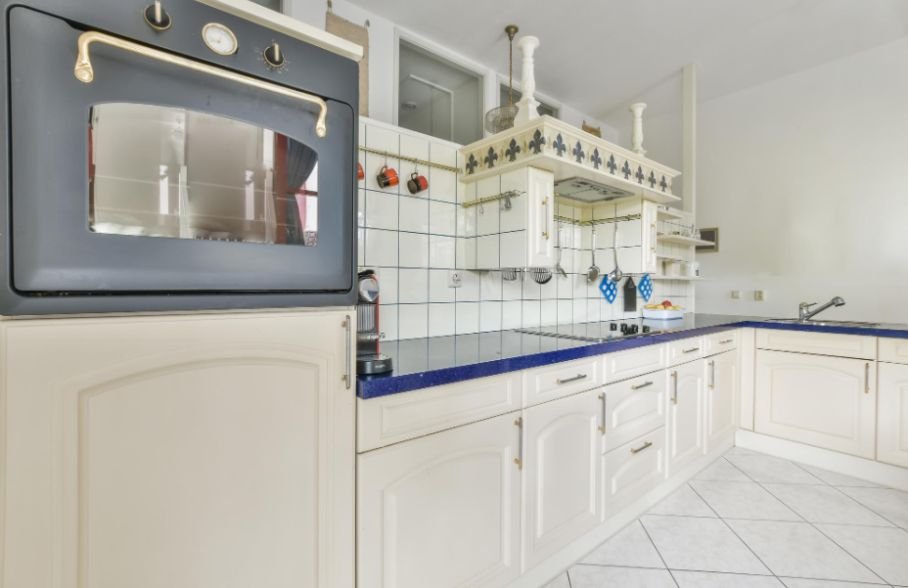
The most useful kitchen backsplash tile ideas for white cabinets account for grout from the beginning. Matching grout makes individual tiles less prominent. Contrasting grout highlights the layout and can also make uneven spacing easier to notice. Prepare a small grouted sample when possible. A color chip cannot fully show how grout changes the finished pattern.
Grout color can change the overall look of a tiled surface, making individual tiles blend together or creating a more defined pattern. This is especially noticeable with decorative backsplash designs and smaller mosaic tiles, where the joints form part of the visual effect. For more help comparing shades and creating a coordinated finish, explore these tips on how to choose grout colors for mosaic tiles.
Glossy surfaces reflect light, while matte finishes create a quieter appearance. Neither finish guarantees easier cleaning. Surface texture, grout joints, and the specific product matter too.
Plan the Details Before Ordering
Measure each backsplash section and confirm where the tile will stop. Consider window returns, exposed edges, outlets, and the transition behind the range. Ask the installer about trim pieces and any adjustments needed around electrical boxes.
Before ordering tile, consider how the backsplash will be maintained after installation, particularly around joints and edges that may be exposed to splashes. Choosing compatible grout and following the product’s care instructions can help preserve the finished appearance. For another perspective on grout maintenance in moisture-exposed settings, see how to keep outdoor tile grout from getting moldy.
Compare complete project quotes rather than tile prices alone. Demolition, wall preparation, decorative layouts, and numerous cuts can affect labor costs. Confirm the recommended waste allowance before ordering, especially for diagonal or intricate patterns.
For cooking areas, verify that the selected tile and installation system suit the location and meet the appliance manufacturer’s clearance requirements.
Frequently Asked Questions
1. Which kitchen backsplash tile ideas for white cabinets work in small kitchens?
Simple layouts, restrained patterns, and coordinated grout can create a calmer backdrop. Light or reflective tile may help distribute available light, but compare samples in the actual room.
2. Should the backsplash match the countertop?
It should coordinate, but an exact match is unnecessary. Repeat a compatible undertone or choose a quieter tile that supports the countertop’s pattern.
3. Can cream tile work with white cabinets?
Yes, when the combination looks intentional. Compare samples vertically because cream beside a cool white can appear more yellow than expected.
A Finish That Feels Right Every Day
I would choose a backsplash that complements my cabinets, countertops, and everyday cooking habits. Color and pattern matter, but so do the details I will notice after installation: how easily the surface wipes clean, how the grout frames each tile, and how the finish looks under evening lighting.
Before committing, I would bring home several samples and compare them vertically against the cabinet doors. Seeing the tile alongside the countertop, flooring, and hardware helps me understand the complete combination. I would also take my time choosing grout because even a subtle change can make the backsplash feel softer or more defined.