A roof problem rarely becomes cheaper when you wait. A faint ceiling stain, one missing shingle, or a slight dip in the roofline can look harmless from the ground while moisture is already damaging materials underneath.
When homeowners ask me what roof problems homeowners should never ignore, I put structural movement and water intrusion at the top of the list. Active leaks, sagging, failed flashing, severe shingle damage, and persistent standing water deserve prompt attention because they can lead to damaged decking, insulation, drywall, framing, and indoor moisture problems.
For US homeowners dealing with hail, hurricanes, snow, high winds, intense sun, or seasonal freeze-thaw cycles, recognizing these roof warning signs early can make a major difference.
What Roof Problems Need Immediate Attention?
The most urgent roofing problems are those that threaten structural stability or allow water into the house. A sagging roofline, active interior leak, major storm damage, or rapidly worsening ceiling stain should not wait for routine maintenance.
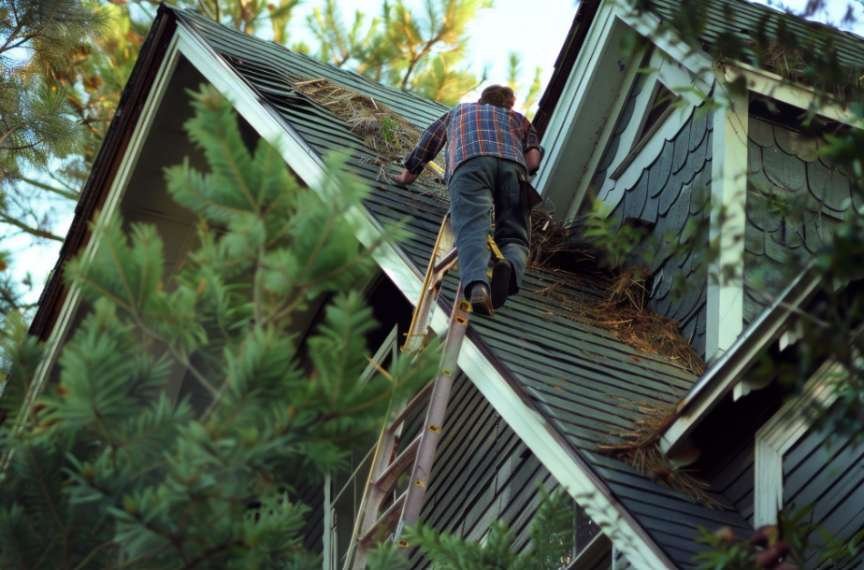
If you cannot safely determine the cause from the ground or attic, I recommend arranging a professional roof inspection rather than climbing onto a damaged roof yourself.
1. What Does a Sagging Roofline Mean?
A healthy roof should generally maintain a straight, consistent profile. Visible dipping, bowing, or sagging along the ridge or roof deck is a serious warning sign.
Sagging can develop when prolonged moisture damages roof decking or structural framing. Excessive loads and deterioration of rafters or trusses can also contribute.
Because structural damage may be involved, I would treat noticeable sagging as a high-priority problem. Avoid walking on the affected area and have a qualified roofing or structural professional evaluate it promptly.
2. Why Should You Never Ignore Water Stains or Roof Leaks?

Dark or yellow ceiling stains, damp drywall, active dripping, musty odors, or dripping sounds during rain can indicate that the roof’s water-shedding system has failed.
The tricky part is that water does not always fall directly below the entry point. It can move along decking, rafters, pipes, or insulation before becoming visible inside.
Persistent moisture can damage drywall, insulation, wood, and interior finishes and can support mold growth. The US Environmental Protection Agency recommends addressing moisture sources quickly and drying wet materials promptly to reduce the chance of mold developing.
If you discover an active leak, taking the right steps before professional help arrives can limit further damage to your home’s interior.
Move valuables away from the affected area, contain dripping water when it is safe to do so, and avoid any ceiling that appears swollen or unstable. For practical guidance, learn how to handle a leaking roof before a contractor arrives.
3. Are Missing, Curled, or Cracked Shingles Serious?
Yes. Asphalt shingles form an important part of the roof’s weather-resistant exterior, and damaged shingles can expose the layers underneath.
Missing shingles leave areas more vulnerable to wind-driven rain. Curling or buckling shingles can develop because of aging, heat exposure, ventilation issues, or deterioration. Cracked and split shingles can create pathways for moisture.
GAF identifies aging or cracked shingles as a common source of roof leaks and notes that wind events can blow shingles off, lift tabs, cause creasing, or produce granule loss.
After severe thunderstorms, hail, tornadoes, hurricanes, or high-wind events, I would inspect the roof from the ground and look for missing material around the property.
4. Why Is Damaged Roof Flashing a Major Leak Risk?
Flashing consists of protective material installed around some of the most leak-prone parts of a roof, including chimneys, vents, skylights, roof valleys, and roof-to-wall transitions.
Cracked, corroded, warped, loose, or detached flashing can allow moisture to enter these vulnerable joints. GAF specifically identifies deteriorated flashing around chimneys, skylights, vents, and other roof penetrations as a potential source of leaks.
Do not assume a small flashing gap is only cosmetic. Repeated rain can turn a minor opening into hidden moisture damage.
5. Does Heavy Shingle Granule Loss Mean the Roof Is Failing?
Asphalt shingles use mineral granules to help protect their asphalt layer from weather and sunlight.
Seeing a small amount of loose granules is not automatically a crisis. However, heavy accumulation in gutters or visibly bare areas across shingles can indicate advanced wear or damage.
High winds can also contribute to granule loss. GAF notes that severe wind events may loosen granules from the asphalt layer.
Widespread granule loss does not automatically mean you need an immediate roof replacement, but it deserves evaluation, especially on an older roof.
6. When Is Standing Water on a Flat Roof Dangerous?

Ponding water mainly affects flat and low-slope roofing systems.
Water that repeatedly remains on the roof long after rainfall can indicate poor drainage, blocked drains, settlement, or low areas in the roof surface. If water is still present roughly 48 hours after rain, I would consider it worth investigating rather than simply waiting for the next storm.
Persistent ponding can accelerate membrane deterioration and increase stress on the roofing assembly.
7. Can Clogged Gutters Cause Roof Damage?
Absolutely. Gutters move rainwater away from the roof edge and house.
When leaves, granules, ice, or debris block drainage, water can overflow or back up near roofing materials and fascia. In snow-prone US states, drainage problems can become even more important during winter conditions.
The EPA also recommends cleaning and repairing roof gutters as part of residential moisture control.
8. Why Is Attic Moisture a Roof Warning Sign?
Your attic often reveals trouble before the rooms below do.
Damp insulation, dark staining on wood, condensation, musty odors, or mold can point toward a roof leak, although poor ventilation and excess indoor humidity can produce similar symptoms.
That distinction matters. I would avoid automatically assuming every attic moisture problem requires a new roof. A proper inspection should determine whether the moisture comes from exterior water intrusion, condensation, or ventilation problems.
9. What Roof Damage Should You Look for After a Storm?
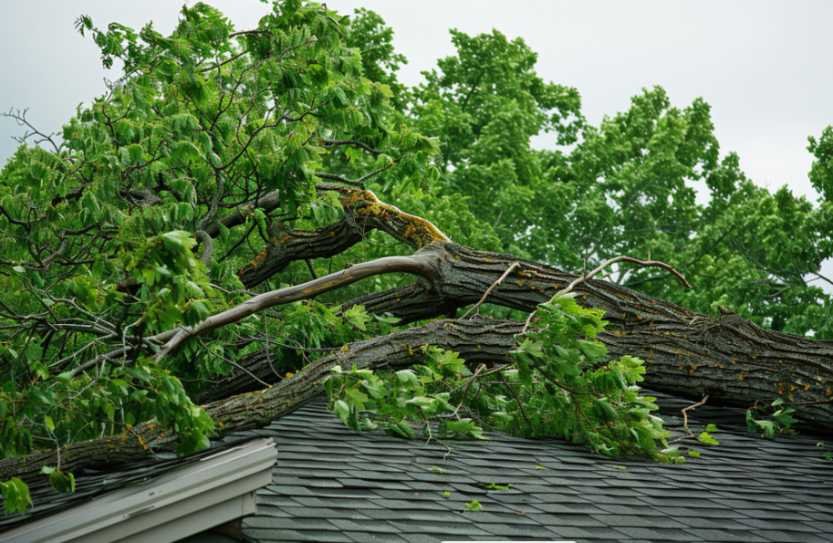
After major hail, wind, or debris impact, look for missing shingles, lifted edges, cracked roofing material, damaged flashing, denting, branches on the roof, or new water stains indoors.
Some storm damage is not immediately obvious. GAF notes that wind events can cause damage that affects shingles later, which makes post-storm inspection especially valuable.
10. When Do Repeated Roof Repairs Signal a Bigger Problem?
One isolated leak may need only a localized repair. Repeated leaks in different areas are more concerning.
If you continually replace shingles, reseal flashing, repair water stains, or address new leaks, the overall roofing system may be deteriorating.
At that point, ask a roofing contractor to evaluate the entire roof instead of treating each symptom separately.
11. How Do You Know When a Roof Needs Replacement?
Age alone should not determine whether you replace a roof.
I would look at the whole picture: widespread shingle deterioration, repeated leaks, extensive granule loss, damaged decking, chronic flashing failures, sagging, and the frequency of previous repairs.
When homeowners research what roof problems homeowners should never ignore, they are often really trying to decide whether they have a repair problem or a replacement problem. A complete roof inspection can provide a much clearer answer than one symptom alone.
When Should You Call a Roofing Contractor?

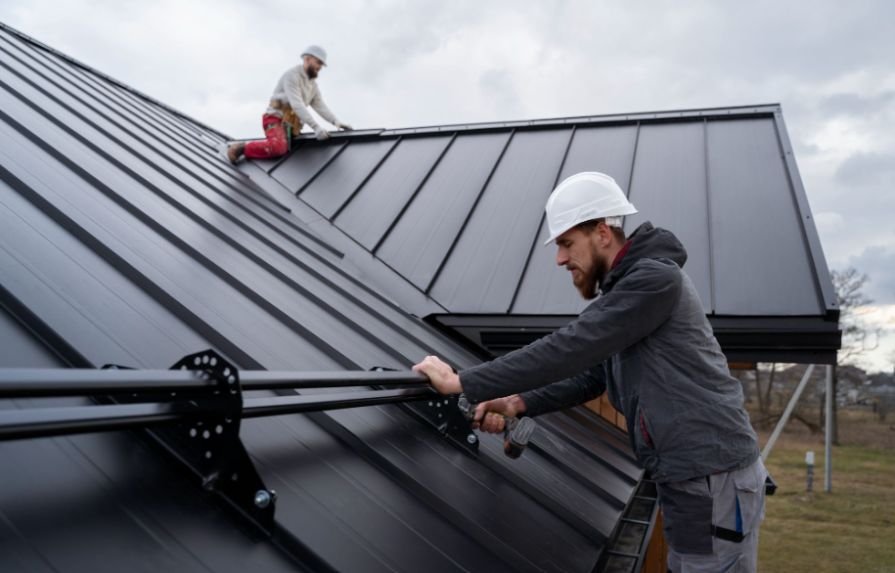
Call a professional promptly when you notice active water intrusion, substantial storm damage, roof sagging, widespread missing shingles, damaged structural components, or conditions you cannot inspect safely.
For less urgent damage, early evaluation still makes sense. A modest repair today may prevent water from reaching decking, insulation, drywall, and framing later.
After a roofing contractor has addressed the underlying damage and the affected area is ready for interior improvements, homeowners can focus on small details that make a room feel more personal. Simple DIY projects are one way to add character without undertaking another major renovation. For a creative finishing touch, see how to make a mosaic picture frame.
Frequently Asked Questions
1. Can One Missing Shingle Cause a Roof Leak?
It can. Whether water immediately enters the home depends on the location of the missing shingle and the condition of the underlying roofing system, but the exposed area should still be repaired promptly.
2. Are Ceiling Water Stains Always Caused by the Roof?
No. Plumbing, HVAC condensation, and other moisture sources can create similar stains. However, a stain that appears or grows after rainfall strongly warrants a roof inspection.
3. Is a Sagging Roof an Emergency?
Noticeable or rapidly worsening sagging can indicate structural deterioration and deserves immediate professional evaluation. Do not climb onto a visibly sagging area.
4. Should I Replace My Roof Because Granules Are in the Gutters?
Not necessarily. Some granule shedding occurs naturally, particularly with newer shingles. Heavy granule loss combined with bare shingles, leaks, cracking, or advanced age is more concerning.
5. What Roof Problems Should Homeowners Act on First?
If you are still wondering what roof problems homeowners should never ignore, prioritize sagging, active leaks, major storm damage, compromised flashing, severely damaged shingles, and persistent ponding water. These conditions have the greatest potential to progress into more extensive damage.
Final Thoughts
Your roof does not have to be visibly collapsing before it deserves attention. Small leaks, displaced flashing, cracked shingles, attic moisture, poor attic ventilation, and drainage problems can provide valuable early warnings.
I recommend checking your roof from the ground after severe weather, occasionally looking through the attic for moisture and ventilation issues, and responding quickly when something changes. Early action gives you more repair options and reduces the chance that a localized roofing problem turns into damage throughout the home.
Once roofing problems have been repaired and any interior moisture damage has been addressed, homeowners may also want to refresh the affected living spaces.
Choosing a suitable palette can help create a more cohesive look during the restoration process. For inspiration, explore these ideas for a colour scheme for a drawing room.
For US homeowners, that approach is especially important because roofing systems may face dramatically different conditions depending on location—from Florida hurricanes and Texas hail to Midwest thunderstorms, Southwest UV exposure, and northern snow and freeze-thaw cycles.