Metal buildings are known for their strength, durability, and ability to serve different purposes. They are commonly used for warehouses, workshops, storage facilities, garages, and commercial spaces. However, even the strongest building materials cannot guarantee safety if the structure is not installed correctly. Professional installation plays an important role in making sure a metal building remains stable, secure, and reliable for years.
From preparing the foundation to securing the final roof panels, every step requires proper planning and attention to detail. Working with an experienced metal building installer in Huntsville property owners can rely on help reduce construction risks, prevent structural problems, and protect the overall investment. Understanding why professional installation matters can help property owners make better decisions before starting their construction projects.
Proper Installation Creates a Strong Foundation

Every safe metal building begins with a properly prepared foundation. The foundation supports the weight of the structure and helps distribute loads evenly across the ground. Before construction begins, professionals evaluate the building site, soil conditions, drainage, and foundation requirements. These factors help determine the appropriate foundation design for the intended structure.
Poor foundation preparation can cause several problems, including uneven settling, structural movement, and damage to walls or framing components.
Professional installers coordinate with the project’s foundation and engineering teams to ensure that anchor bolts, base plates, and supporting elements are positioned according to approved construction plans.
A properly installed foundation provides the stability needed for the entire building to perform safely over time.
Accurate Structural Assembly Prevents Safety Problems

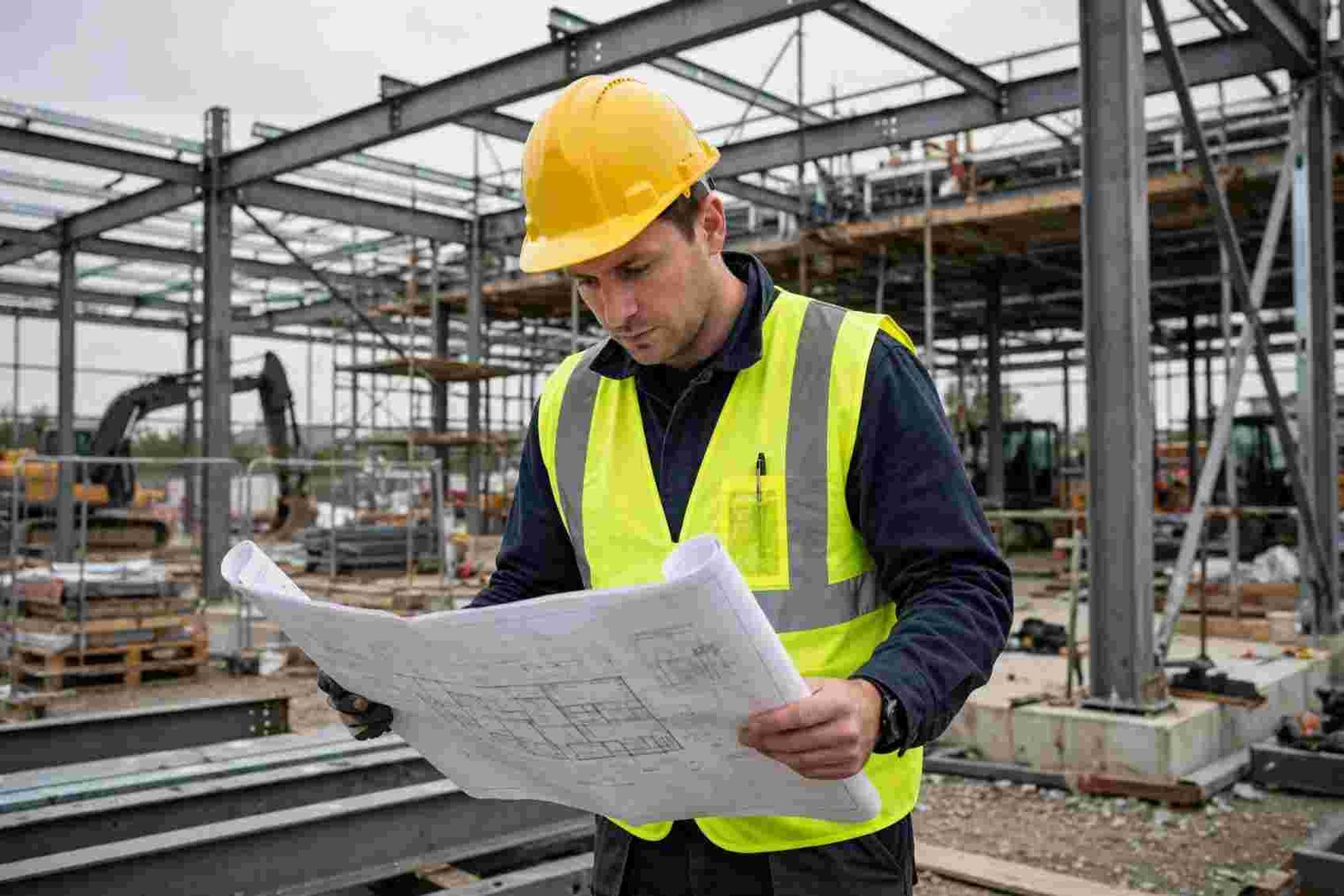
Metal buildings rely on interconnected structural components to maintain their strength. Steel columns, beams, braces, and fasteners must be assembled correctly to create a stable structure. During steel frame assembly, installers follow engineered drawings and established construction procedures to ensure every component fits and functions as intended.
Even small installation mistakes can affect the building’s structural performance. Loose connections, improperly positioned supports, or missing braces may reduce stability and create unnecessary safety risks.
Professional installation teams understand the importance of following the correct assembly sequence. They also use appropriate equipment to position and secure heavy structural components. Careful assembly helps ensure that the completed structure can safely support its intended loads.
Professional Installers Understand Weather-Related Risks
Weather conditions can place significant stress on metal buildings. Strong winds, heavy rainfall, and severe storms can affect a structure if it isn’t designed and installed correctly. Changing weather conditions make proper structural installation especially important for property owners.
Professional installers follow approved building plans that account for applicable wind loads, roof loads, and other environmental factors.
They also pay attention to roof connections, wall panels, structural bracing, and anchoring systems. These components work together to help the building resist severe-weather forces. Correct installation cannot eliminate every weather-related risk, but it helps the structure perform according to its intended design.
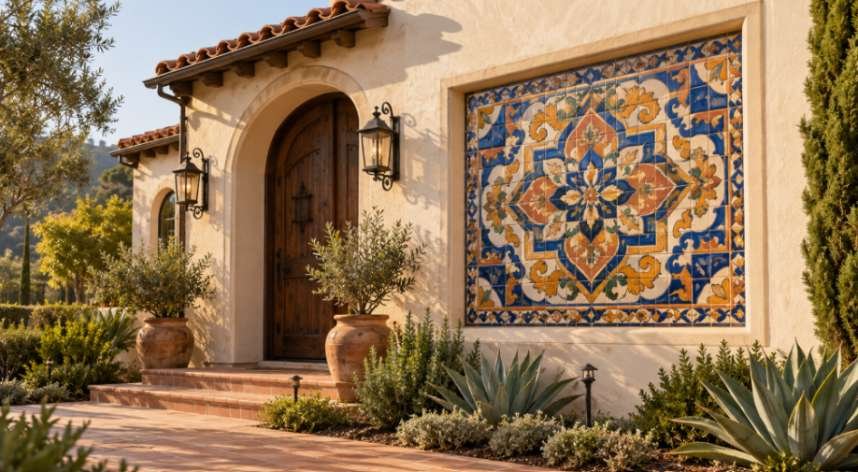
Rain and other outdoor conditions can also affect pedestrian safety, making slip-resistant surfaces an important consideration for exterior steps and entryways. Property owners exploring suitable finishes can refer to this resource to slip-resistant exterior mosaic tiles for front entryway steps for ideas on improving traction in outdoor spaces.
Following Building Codes Protects Property Owners
Building codes establish minimum requirements for construction safety, structural performance, and proper building practices.
Professional installers understand the importance of following applicable building regulations and approved engineering plans. Depending on the project, metal building construction may require permits, plan reviews, inspections, and coordination with local authorities.
These requirements help verify that important structural components are installed correctly and that the completed building meets applicable safety standards.
Experienced metal building contractors also recognize when specific construction details require clarification from an engineer or building official. Meeting the requirements helps property owners avoid preventable delays, costly corrections, and potential problems when the building is ready for use.
Proper Equipment and Safety Practices Reduce Construction Hazards
Installing a metal building involves lifting heavy steel components, working at elevated heights, and handling specialized construction equipment. Without proper safety procedures, these activities can expose workers and nearby individuals to serious hazards.
Professional installation teams use appropriate lifting equipment, fall protection measures, and safe material-handling practices. They also plan the construction sequence carefully to reduce unnecessary movement and prevent unstable structural conditions during assembly.
Temporary bracing is particularly important because a partially assembled building may not yet have the stability of the completed structure. Following established construction safety procedures protects workers while helping the project progress in an organized manner.
Correct Roofing and Wall Installation Prevents Damage
The roof and exterior walls serve as the building’s primary protection against rain, wind, and outside conditions. When these components are installed incorrectly, water may enter through poorly sealed joints, loose fasteners, or improperly positioned panels.
Over time, moisture intrusion can damage insulation, interior materials, stored equipment, and certain structural components.
Similar care is needed when selecting materials for exterior surfaces exposed to harsh weather. For outdoor decorative applications in colder climates, choosing freeze-thaw resistant exterior mosaic tiles for cold climates can help reduce the risk of tile damage caused by repeated freezing and thawing.
Professional installers understand the importance of proper panel alignment, fastening patterns, flashing installation, and sealing methods.
They also consider thermal movement, which allows metal materials to expand and contract as temperatures change. These installation details help maintain the building’s weather resistance and reduce the likelihood of future maintenance problems.
Professional Installation Helps Prevent Expensive Repairs
Choosing professional installation may require a larger initial investment than relying on inexperienced labor. However, correcting structural mistakes after construction can be significantly more expensive. Improper installation may lead to problems such as roof leaks, misaligned doors, loose connections, or premature damage to building components.
Some issues may remain unnoticed until the building experiences severe weather or regular operational stress. Experienced installers focus on identifying potential problems during construction rather than allowing them to develop into larger concerns.
Proper workmanship also supports easier maintenance because building components are installed according to their intended specifications. Investing in professional installation can help reduce avoidable repair expenses and protect the building’s long-term value.
Experienced Installers Help Meet Specific Building Needs
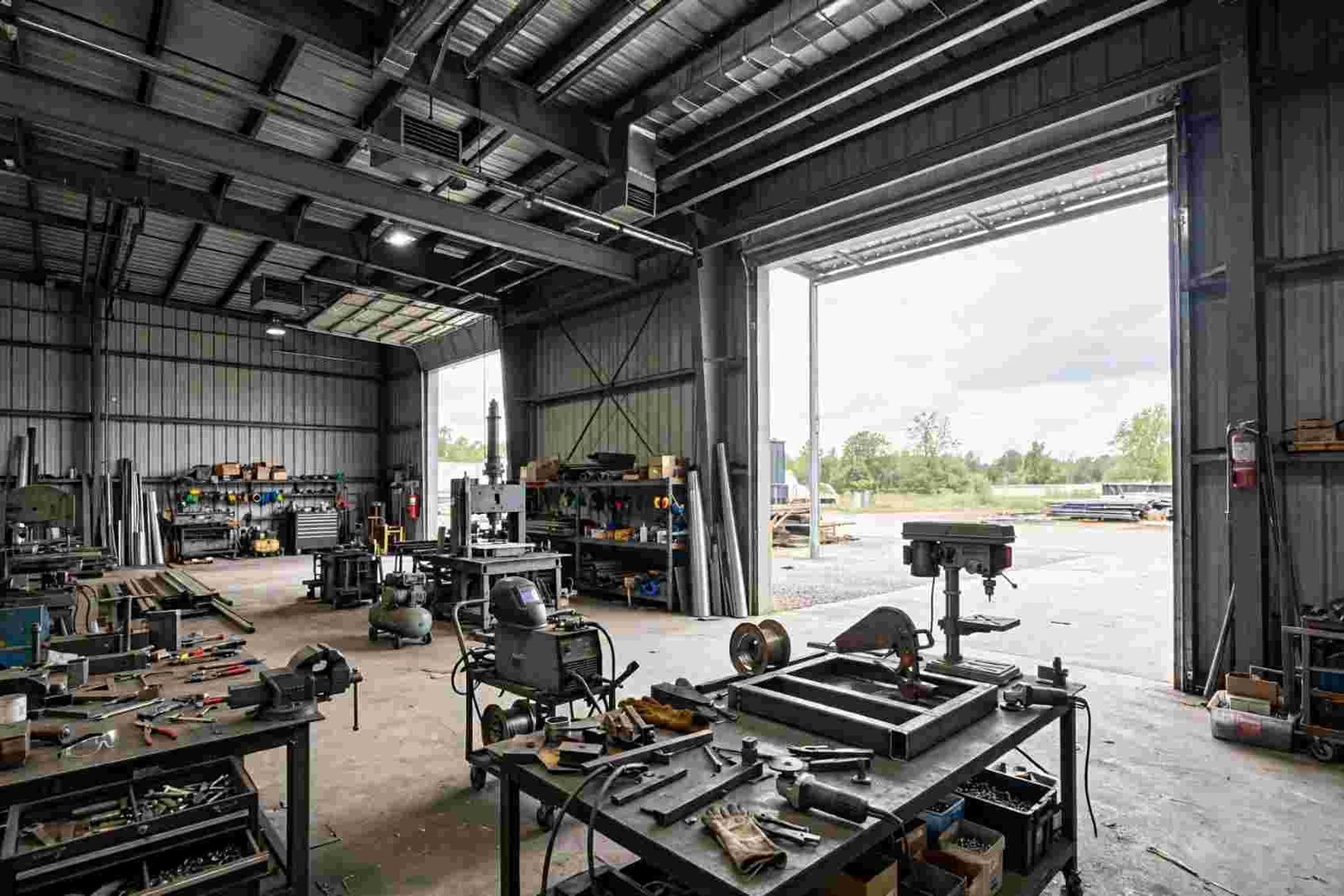
Not every metal building serves the same purpose. A small storage structure has different requirements from a commercial warehouse, agricultural facility, or industrial workshop.
Building size, intended occupancy, equipment loads, ventilation, and future expansion plans can influence installation requirements. For a custom metal building, experienced professionals coordinate with designers and engineers to understand how the structure will be used.
This planning helps ensure that doors, openings, framing components, and other features are installed according to the approved design.
It is also important to consider potential future changes, especially when a property owner expects to expand operations or install additional equipment. Clear communication between the owner, designer, and installation team helps create a building that supports both safety and practical daily use.
How to Choose a Reliable Metal Building Installer
Selecting the right installation team is one of the most important decisions in a metal building project. Property owners should look for professionals who understand structural installation, construction safety, and local building requirements.
Before hiring an installer, consider asking about:
- Experience installing similar metal building structures.
- Licensing, insurance, and applicable qualifications.
- Knowledge of engineered plans and inspection requirements.
- Safety procedures used during construction.
- Project timelines, communication, and quality control.
A reliable installer should be willing to explain the construction process, address potential concerns, and clarify responsibilities before work begins. Choosing a qualified team provides greater confidence that the building will be installed correctly from the beginning.
Protect Your Investment With Professional Metal Building Installation
A metal building is a long-term investment that should provide reliable protection, functionality, and structural stability. However, the quality of the installation is just as important as the quality of the materials used.
Professional installers help protect the structure through proper foundation preparation, accurate assembly, safe construction methods, and careful attention to building requirements. For property owners planning a new metal building, choosing experienced professionals is an important step toward avoiding preventable problems and protecting future occupants.
A correctly installed metal building offers more than durability. It provides confidence that the structure has been built with safety, reliability, and long-term performance in mind.