Discovering water dripping through your ceiling can turn an ordinary rainy day into an immediate home emergency. When that happens, I focus on three priorities: controlling the water, protecting people and belongings, and preventing the situation from getting worse.
Knowing how to handle a leaking roof before a contractor arrives can significantly reduce damage to drywall, flooring, insulation, furniture, and electrical systems. Your goal isn’t to do a permanent roof repair yourself. Instead, take safe temporary measures inside the house while a qualified roofing professional is on the way.
What Should You Do First When Water Starts Leaking Through the Ceiling?
Start by containing the water.
Place a bucket, plastic storage bin, large pot, or another waterproof container directly beneath the drip. Putting an old towel inside the container can reduce splashing as water hits the bottom.
Protect the surrounding floor as well. Plastic sheeting, trash bags, waterproof tarps, or old towels beneath the container can help keep an overflow from soaking hardwood, carpet, or nearby baseboards.
Move furniture, electronics, rugs, clothing, and other valuables away from the wet area. If a large piece of furniture cannot be moved safely, cover it with waterproof plastic.
Moving furniture and other belongings away from a leak can help prevent avoidable water damage while you wait for repairs. Once the affected room is dry and any necessary restoration is complete, you may also want to refresh its appearance. For bedroom updates, explore these ideas for the best colour for a sleeping room to create a more relaxing atmosphere.
Do not assume that the ceiling drip is directly below the roof damage. Water can travel along roof decking, rafters, pipes, insulation, and framing before finding a place to enter your living space.
What Should You Do If a Roof Leak Is Near a Light Fixture?
Water around electricity requires immediate caution.
If you notice a roof leak near a light fixture, ceiling fan, outlet, switch, or electrical appliance, do not touch the fixture or surrounding wet materials.
If you can safely reach your electrical panel while remaining completely dry, shut off power to the affected circuit. If you cannot identify the circuit or accessing the panel would require walking through water, stay away and call for professional assistance.
Never remove a wet fixture cover or reach into an electrical box.
A water leaking through ceiling problem becomes much more urgent once electricity is involved. Tell your roofing contractor about the electrical exposure when you call, and consider contacting a licensed electrician if water has entered electrical components.
What Should You Do About a Bulging or Sagging Ceiling?

A ceiling that starts swelling, bubbling, or sagging may have water collecting above the drywall.
That weight can eventually cause part of the ceiling to collapse.
Water damage can also affect the appearance and condition of a home’s interior, making repairs an opportunity to reconsider the surrounding space once the immediate problem is resolved. If you are planning updates after the roof damage has been repaired, explore these interior design trends for ideas on refreshing your living space.
Some emergency roof-leak guidance recommends carefully creating a small drainage opening in the center of a water-filled ceiling bulge so the trapped water drains into a bucket rather than spreading across the ceiling.
However, I would only consider controlled drainage when the area is clearly away from electrical fixtures, you know what is above the drywall, and the ceiling does not appear structurally unstable.
Do not blindly push a screwdriver or nail into a ceiling if wiring, pipes, or fixtures may be present. If a large section is sagging, cracking, or beginning to separate, leave the area and wait for professional help.
Can You Stop a Roof Leak Temporarily From Inside?
You can often control the effects of a leak from indoors, but you usually cannot permanently repair the source from inside the house.
If your attic is safely accessible, use a flashlight to look for water trails, damp insulation, wet rafters, dripping nails, or moisture along the underside of the roof deck.
A roof leak from inside the attic may appear several feet away from the actual opening. Rainwater often follows framing before it finally drips downward.
Place a container under an accessible attic drip if you can do so safely. Avoid stepping between attic joists because the drywall ceiling below cannot support your body weight.
These measures are a temporary roof leak fix, not a substitute for repairing damaged shingles, flashing, underlayment, vents, or other exterior roofing components.
Should You Put a Tarp on a Leaking Roof Yourself?
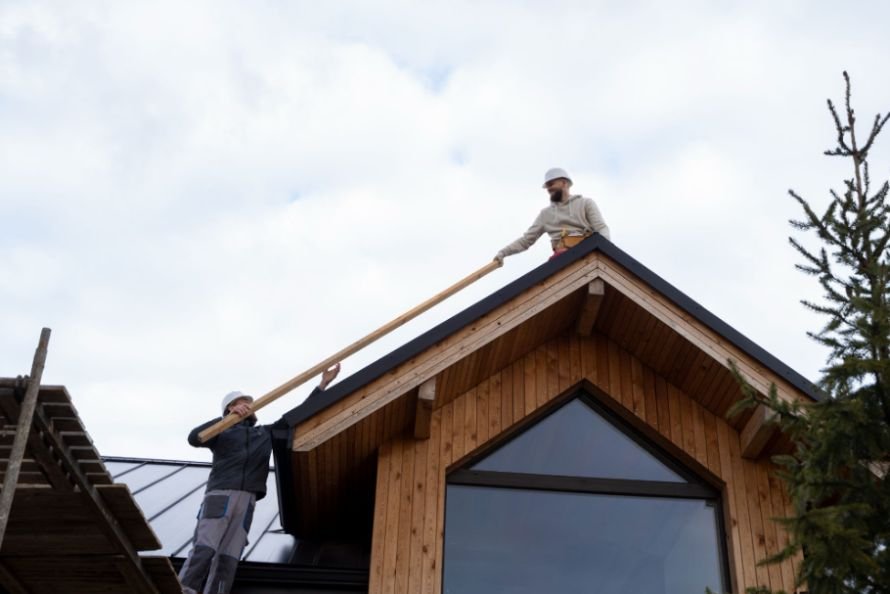
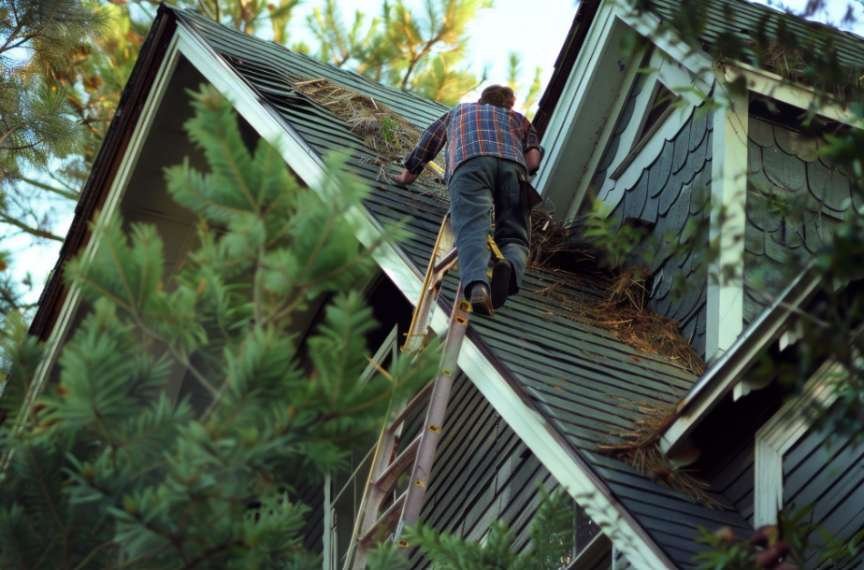
I generally recommend staying off the roof while rain, wind, lightning, ice, or other dangerous weather is present.
Wet asphalt shingles, metal roofing, tile, and other materials can become extremely slippery. Storm damage may also weaken decking or other roof components in ways that are impossible to see from the ground.
Although emergency roof tarping can reduce additional water intrusion, installing a tarp usually requires ladder access and working on the roof surface.
For most homeowners, calling a roofing company that provides emergency tarping is safer than attempting an improvised exterior repair.
Do not risk a serious fall just to stop a leak temporarily.
What Should You Do When Your Roof Is Leaking During Heavy Rain?

When you have a roof leaking during rain, concentrate on what you can safely control indoors.
Watch where the moisture appears and how quickly it spreads. Check the attic if accessible, but also note water around chimneys, skylights, roof valleys, plumbing vents, exterior walls, and other roof penetrations.
Record whether the leak only occurs during wind-driven rain or whether it continues after the storm weakens. Details like these may help your contractor identify flashing failures, damaged shingles, vent problems, or another source.
Avoid climbing onto the roof to investigate while the surface is wet.
How Should You Document a Roof Leak for Insurance?
Before cleaning everything, document the damage.
Take wide photos showing the affected room and closer images of ceiling stains, wet drywall, damaged flooring, furniture, and other affected property. Short videos of active dripping can also help demonstrate the severity of the leak.
Record the date and approximate time the leak began, along with weather conditions such as heavy rain, wind, or hail.
If you later make a roof leak insurance claim, save receipts from emergency roofing services, water extraction, temporary mitigation, and other necessary expenses.
Do not delay reasonable steps to prevent further damage simply to preserve evidence. Photograph the situation first when possible, then protect the property.
Once the immediate damage has been documented and repairs are underway, you may also need to consider how the affected room will be restored.
If the project involves replacing damaged finishes or refreshing the interior, tile can be a practical design element for floors, walls, and selected decorative areas. Explore how to incorporate tile into modern home design for ideas to consider during the renovation process.
What Should You Never Do During an Emergency Roof Leak?
The most serious mistake to avoid is turning property damage into a personal injury.
Do not climb onto a wet or storm-damaged roof. Do not touch wet electrical fixtures. Do not stand beneath severely sagging drywall. Do not assume that the visible ceiling stain marks the exact roof opening.
I would also avoid covering large areas with roofing cement, caulk, spray foam, or another improvised sealant without knowing where the water enters. A poorly placed DIY patch can hide the actual problem and complicate professional repair.
What Information Should You Give the Roofing Contractor?
Preparing information in advance can make the inspection more efficient.
Tell the contractor when you first noticed the leak, which room is affected, whether the leak occurs only during rain, and whether wind or hail accompanied the storm.
Explain anything you observed in the attic and show the contractor your photos and videos. If you know the approximate age of the roof, roofing material, or previous repair history, provide that information too.
This is another important part of how to handle a leaking roof before a contractor arrives, especially because the leak may stop by the time the roofer reaches your property.
When Is a Roof Leak a True Emergency?

A slow drip that you can safely contain is different from rapidly entering water or structural damage.
Treat the situation as urgent if water reaches electrical equipment, a large ceiling section begins sagging, roofing materials have been torn away, water enters faster than you can contain it, or you notice signs of structural movement.
If staying in the affected room feels unsafe, leave the area rather than trying to protect belongings.
Frequently Asked Questions
1. Can a Roof Leak Wait Until Morning?
A small, contained drip may sometimes wait several hours for a contractor, but continue monitoring it. Electrical involvement, rapid water entry, ceiling sagging, or structural damage warrants urgent professional attention.
2. What Is the Fastest Temporary Fix for a Roof Leak?
The safest immediate approach is usually to contain dripping water, protect flooring and belongings, shut off electricity to affected areas when safe, and arrange professional repair. Exterior tarping should only be attempted under safe conditions by someone equipped to work on roofs.
3. Should I Poke a Hole in a Bulging Ceiling From a Roof Leak?
Controlled drainage may sometimes prevent water from spreading across drywall, but it is not appropriate when electrical wiring, fixtures, plumbing, or severe structural damage may be present. When in doubt, keep people away from the area and wait for professional help.
4. Should I Call a Roofer or My Insurance Company First?
For an active leak, prioritize stopping further property damage by contacting a roofing contractor or emergency mitigation service. If the damage may be covered by homeowners insurance, document everything and contact your insurer according to its claim procedures.
5. Why Is Water Dripping Far From the Actual Roof Damage?
Water can travel along decking, rafters, insulation, pipes, and framing before reaching your ceiling. The visible interior leak may therefore be several feet from the actual exterior entry point.
Final Thoughts
When water starts entering a home, I focus on damage control rather than rushed DIY roof repairs. Catch the water, protect floors and valuables, take electrical hazards seriously, watch for ceiling instability, document the damage, and stay off wet roofing surfaces.
Understanding how to handle a leaking roof before a contractor arrives helps you protect your home without exposing yourself to unnecessary danger. Temporary measures may reduce the damage, but a professional inspection is still necessary to identify the true source and make a lasting repair.