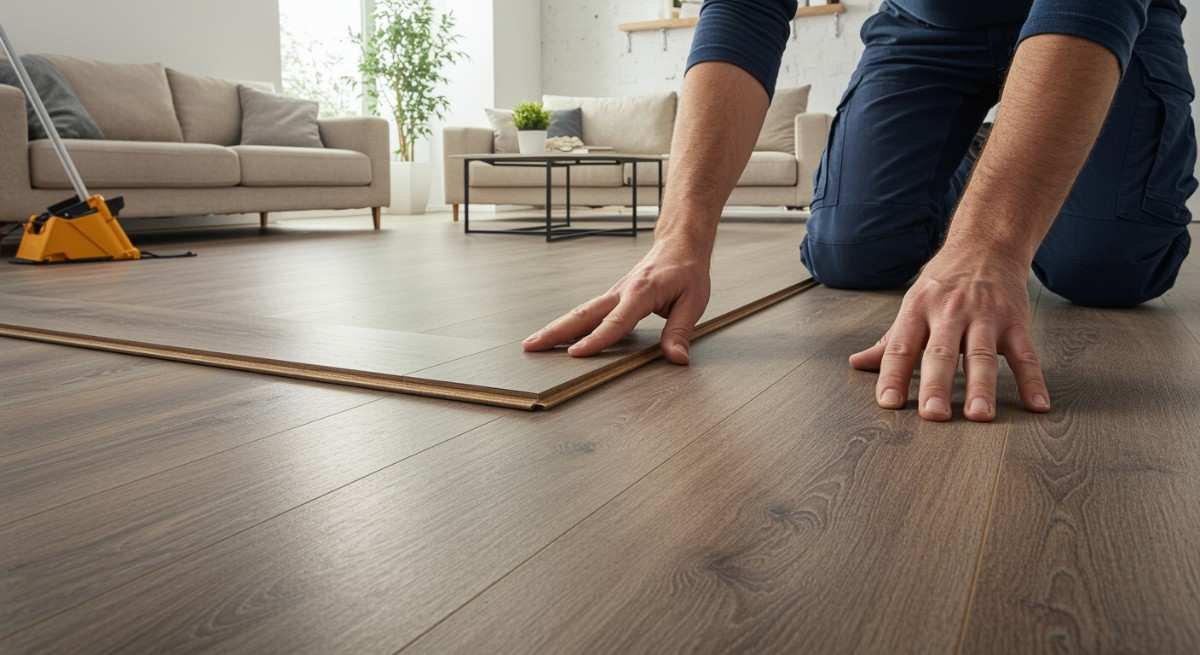

I find that a backsplash sample can look perfect on its own and completely different beside a countertop. Glass might appear luminous in a showroom but show distracting reflections at home. Ceramic might seem ordinary until its glaze brings warmth to the cabinets. That makes comparing glass vs ceramic mosaic tiles for kitchen backsplashes a practical decision about lighting, upkeep, and installation.
Both materials can protect kitchen walls beautifully. The better choice depends on the specific finish, grout, layout, and your willingness to pay for careful installation.
Which Mosaic Material Is Better for Your Kitchen?
Glass mosaics suit kitchens where reflective color and visual depth matter most. Glazed ceramic mosaics generally suit homeowners seeking versatile finishes, approachable installation, and better budget flexibility.
Neither automatically delivers easier maintenance. Smooth tiles usually wipe down more readily than deeply textured surfaces, while numerous grout joints add cleaning work regardless of material. Compare actual samples rather than assuming every glass or ceramic mosaic behaves alike.
Appearance, Color, and Kitchen Lighting
Glass Creates Depth and Reflection
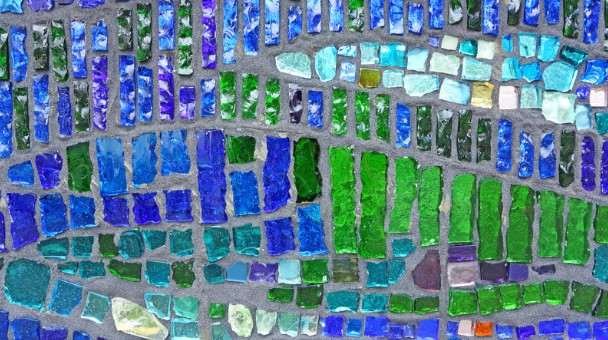
Glass mosaics can reflect available light and give a backsplash a layered appearance. Clear, frosted, iridescent, and opaque products create different effects, so glass does not always mean a shiny, transparent finish.
Under-cabinet lighting can emphasize sparkle, but it can also reveal uneven sheets or create glare. Glass reflects existing light; it cannot compensate for an inadequate lighting plan.
Ceramic Offers More Finish Flexibility
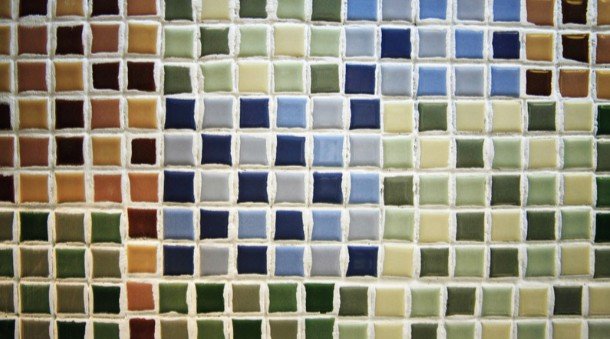
Glazed ceramic ranges from smooth gloss to soft matte and handmade textures. Glossy ceramic can brighten a wall, while quieter finishes work well beside patterned countertops.
Check samples against cabinet undertones. A cool white mosaic may clash with cream cabinetry, while warm ivory can soften natural wood. View both materials vertically under daytime and evening lighting before ordering.
Cleaning Grease, Food Splashes, and Grout
Glass and intact glazed ceramic faces generally resist everyday kitchen stains. However, smooth glass may show fingerprints, streaks, and water spots more clearly. Textured ceramic can hold grease in its surface variations.
Start with mild soap, water, and a soft cloth, following the product’s care instructions. Avoid abrasive pads that could scratch glass or damage decorative finishes.
The biggest maintenance difference may come from the mosaic pattern. Tiny pieces create more joints than larger pieces covering the same area. A busy cooktop wall with narrow mosaic strips can therefore demand more attention.
Grout selection also matters. Some cement-based grouts require sealing; epoxy and other stain-resistant formulations have different maintenance requirements. Confirm compatibility with the tile, especially scratch-sensitive glass, and test a small area before grouting.
Material Prices Versus Installed Cost
When weighing glass vs ceramic mosaic tiles for kitchen backsplashes, compare complete project quotes rather than sheet prices alone.
Ceramic often offers a lower starting price, although handmade and specialty products can cost more than basic glass. Glass installation may add labor because cutting, mortar application, and alignment require extra care.
Ask whether the quote includes wall repairs, setting materials, grout, finished edges, outlet adjustments, and waste. Check coverage per sheet carefully: a sheet marketed as roughly twelve inches square may cover less than one square foot.
For example, a twenty-five-square-foot backsplash needs twenty-five square feet of coverage before waste. If you design a shower niche with mosaic tiles, account for extra cuts and breakage. Keep matching spare pieces for future repairs.
Installation Details That Affect the Finished Result
Glass Needs Careful Setting and Cutting
Translucent glass can reveal mortar color, ridges, and uneven coverage. Use the setting material specifically approved for that tile; white mortar is commonly required, but the manufacturer’s instructions govern.
Glass also needs suitable cutting equipment and careful handling to minimize chipped edges. Decorative backing can introduce additional adhesive restrictions.
Ceramic Still Requires Accurate Sheet Alignment
Ceramic may be easier to cut, but mesh-mounted sheets do not guarantee a seamless installation. Uneven spacing between sheets can leave a visible grid.
Dry-lay several sheets, inspect their alignment, and plan cuts around outlets and corners. Remove and reposition individual pieces when necessary. Both materials need a sound, clean, sufficiently flat substrate.
Plan exposed edges before installation. Matching trim, an appropriate profile, or another approved finish should create a deliberate stopping point.
Durability and Placement Behind the Range
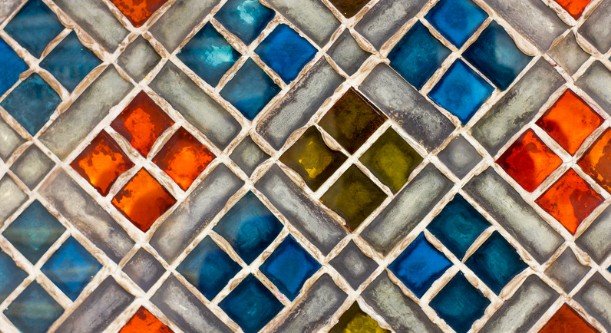
Both materials can perform well on kitchen walls when approved for the application. Glass can chip from sharp impacts; ceramic glaze can also chip and expose the underlying body.
Do not assume a nonporous tile makes the entire assembly waterproof. Joints, transitions, substrate conditions, and installation details still matter.
Behind a range, confirm the appliance’s required clearances and the tile system’s suitability. A decorative backsplash does not cancel clearance requirements. Follow instructions for tile, adhesive, grout, and backing materials.
At countertop transitions and changes of plane, use the specified flexible sealant instead of assuming rigid grout belongs everywhere.
Frequently Asked Questions
1. How do I choose glass vs ceramic mosaic tiles for kitchen backsplashes?
Choose glass for reflective depth and ceramic for finish variety and generally simpler cutting. Compare installed cost, grout maintenance, and samples under your kitchen lighting before deciding.
2. Do both materials need sealing?
Glass and most intact glazed ceramic faces generally do not need sealing. Crackle glazes, specialty finishes, exposed bodies, and certain grouts may require treatment. Follow the specific product instructions.
3. Can I mix glass and ceramic mosaics?
Yes, provided the products have compatible installation requirements. Check thickness, edge treatment, and grout suitability. A premixed sheet simplifies design selection but still needs careful installation planning.
Final Thoughts
I would choose the backsplash that looks convincing beside the actual cabinets and feels manageable to maintain. Glass earns consideration when its depth transforms the room; glazed ceramic makes a strong choice when flexibility and straightforward upkeep lead the decision.
Before ordering, I would confirm the full installation price, approve a grouted sample, and settle the edge details. Those small checks can prevent expensive surprises and help either material become a lasting part of the kitchen.