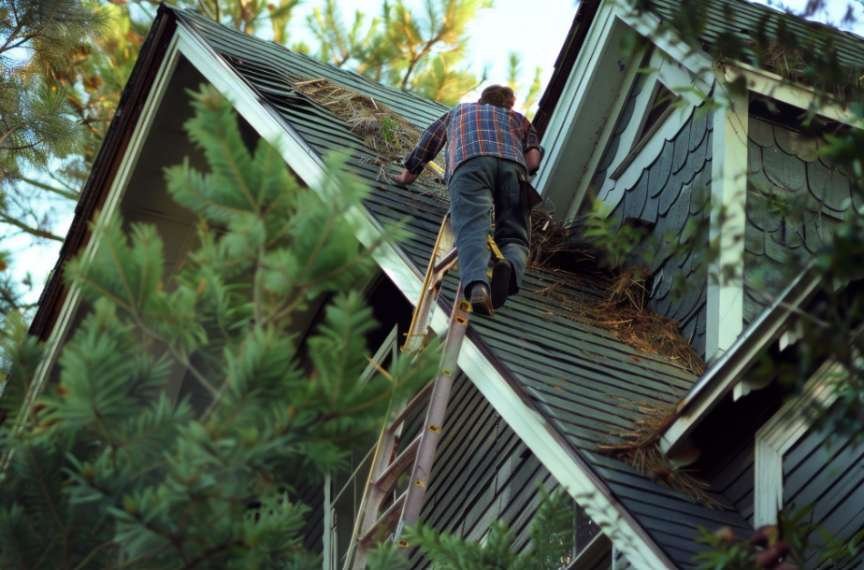

Roof ventilation problems rarely announce themselves with one obvious warning. More often, the clues show up gradually: upstairs rooms feel harder to cool, shingles age faster than expected, attic fasteners begin to rust, or moisture appears on the underside of the roof deck. By the time homeowners notice these symptoms, the real issue may already involve blocked soffits, poor intake-to-exhaust balance, air leakage, or trapped humidity.
When I explain how to evaluate roof ventilation problems, I always recommend looking at the whole system instead of focusing on a single vent. The goal is to determine whether fresh air can enter at the eaves, move through the attic without obstruction, and exit near the roof peak while moisture and conditioned indoor air stay where they belong. That broader approach makes it much easier to separate a true ventilation failure from a roof leak, insulation problem, or indoor humidity issue.
What Are the Warning Signs of Poor Roof Ventilation?
I usually begin with symptoms that homeowners can notice without climbing onto the roof.
During summer, upstairs rooms may become unusually difficult to cool. An overheated attic can add to the heat load above the living space and make air-conditioning systems work harder. Higher cooling bills can therefore be one clue, although energy costs alone do not prove that ventilation is responsible.
The roof itself may also show premature aging. Look for asphalt shingles that curl, cup, blister, become brittle, or lose granules faster than expected. Excess attic heat and moisture can contribute to roof-system deterioration over time.
In colder parts of the United States, repeated ice dams can also justify an attic inspection. However, I would not blame ventilation alone. Heat escaping from the home, insufficient insulation, and attic air leakage can also warm the roof deck and contribute to uneven snowmelt.
How Do I Inspect My Attic for Moisture and Mold?
Once inside the attic, I focus first on moisture.
Use a bright flashlight to inspect the underside of the roof decking and rafters. Dark staining, widespread condensation, frost, musty odors, or mold-like growth can indicate excessive attic humidity.
Metal components can provide additional clues. Check exposed roofing nails, fasteners, HVAC straps, and similar metal parts. Orange or reddish corrosion may indicate that humid air has been condensing repeatedly inside the attic.
Wet or compressed insulation also deserves attention. Damp insulation loses effectiveness and can result from condensation, plumbing leaks, HVAC problems, or roof leaks.
Location matters. A localized wet patch beneath a chimney, skylight, valley, flashing detail, or roof penetration is more suggestive of water intrusion. Moisture distributed across a large section of the roof deck is more consistent with condensation or excess indoor humidity.
Are Blocked Soffit Vents Restricting Attic Airflow?
A roof ventilation system needs intake air before exhaust vents can work correctly.
Soffit vents typically bring outdoor air into the attic near the eaves. One of the most common problems occurs when insulation covers these openings. This is particularly easy to encounter with blown-in insulation, which can drift or be installed too far into the eaves.
I check whether each intake pathway remains open from the soffit into the attic. Missing, crushed, or poorly positioned baffles can choke airflow even when exterior soffit vents appear perfectly normal.
Could My Roof Vents Be Working Against Each Other?
More exhaust vents do not automatically create better ventilation.
A common mistake is mixing systems without considering how air will move. For example, combining ridge vents with nearby box vents, turbines, or powered attic fans can cause air to take the shortest available route rather than traveling upward from the soffits.
A powered fan may pull replacement air from another upper roof vent instead of drawing fresh air from the eaves. This creates a ventilation short circuit and can leave lower portions of the attic poorly ventilated. Poor airflow, trapped moisture, excessive attic heat, and recurring condensation are all roof problems that homeowners should never ignore, because they can contribute to premature material deterioration and indoor comfort issues.
Powered attic fans can cause another issue when the attic floor has substantial air leaks. When soffit vents are blocked and the attic is poorly sealed from the house, a fan may pull conditioned indoor air into the attic, increasing cooling demand instead of reducing it.
How Much Roof Ventilation Does My Attic Need?
Counting vents is not enough. What matters is the Net Free Ventilation Area, commonly abbreviated as NFVA or NFA.
When considering how to evaluate roof ventilation problems, I calculate the attic floor area and compare it with the actual NFVA provided by the intake and exhaust vents.
A commonly used US guideline is the 1:300 rule, which provides approximately 1 square foot of net free ventilation for every 300 square feet of attic floor area when applicable conditions are met. Local building codes may require different amounts, including a 1:150 ratio in some situations.
Balanced systems typically place roughly 40% to 50% of required ventilation high in the attic, with the remainder serving as intake near the eaves. The key principle is simple: exhaust capacity should not exceed the available intake.
Could Indoor Air Leaks Be Causing the Moisture?
Ventilation problems often begin below the attic.
Warm, humid household air can escape through attic hatches, recessed lighting, plumbing penetrations, electrical openings, wall top plates, and duct gaps. During winter, that moisture can condense when it reaches cold roof decking or roofing nails.
I also check bathroom, kitchen, and laundry exhaust ducts. These systems should discharge outdoors rather than ending inside the attic. A bathroom fan releasing humid shower air directly beneath the roof deck can create severe localized moisture even when the roof has adequate vents.
This is why air sealing and insulation must be considered alongside ventilation.
Is It Poor Ventilation or a Roof Leak?
This distinction can save homeowners from paying for the wrong repair.
Roof leaks generally become more noticeable during or after rain and often appear near flashing, chimneys, valleys, skylights, plumbing vents, or damaged roof coverings.
Condensation-related moisture is often more widespread and may become worse during cold weather when warm indoor air reaches cold attic surfaces.
If I cannot identify the source confidently, I would have a qualified roofing professional inspect the area before adding vents or replacing roofing materials.
When Should I Call a Roofing Professional?
Homeowners can identify obvious blocked soffits, moisture, damaged baffles, or disconnected exhaust ducts, but major ventilation problems deserve professional evaluation.
A roofer should inspect intake ventilation, exhaust configuration, NFVA, roof decking, insulation placement, moisture patterns, air leakage, and possible roof leaks.
I would especially seek professional help if I found widespread mold, sagging decking, persistent condensation, extensive shingle deterioration, structural movement, or recurring leaks.
Frequently Asked Questions (FAQs)
1. How can I tell if my roof has enough ventilation?
Compare your attic square footage with the NFVA provided by your intake and exhaust vents. Also confirm that soffits are open, baffles are clear, and exhaust vents are unobstructed.
2. Does a hot attic always mean poor ventilation?
No. Outdoor temperature, roof color, solar exposure, insulation, and air sealing all influence attic temperatures. Excessive heat is a warning sign, not a diagnosis by itself.
3. Can blocked soffit vents damage my roof?
Yes. Blocked intake can reduce airflow through the attic and contribute to excessive heat and moisture accumulation.
4. What is the safest way to learn how to evaluate roof ventilation problems?
Start with a visual inspection from a safe attic access point. Check moisture, soffit intake, baffles, exhaust vents, insulation, duct terminations, and air leaks. Avoid walking on unsupported ceiling areas or climbing onto steep roofing.
Final Thoughts
When I inspect attic ventilation, I do not begin by asking how many vents are installed. I ask whether air can actually enter at the eaves, travel through the attic, and escape near the roof peak without obstruction.
A healthy roof system depends on balanced intake and exhaust, open soffits, correctly installed baffles, proper insulation, controlled indoor humidity, and good attic air sealing.
Taking time to diagnose the entire system before adding ventilation can prevent unnecessary work and help protect shingles, roof decking, insulation, energy efficiency, and indoor comfort for years to come.