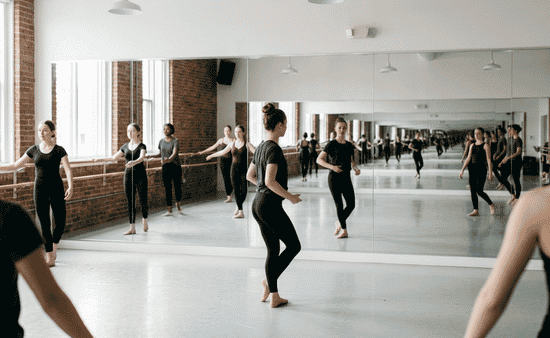
Dance mirrors are an indispensable feature in studios, gyms, and personal practice spaces. They provide dancers with the ability to observe their movements, improve alignment, and enhance technique. Selecting the right dance mirrors is crucial for creating an environment conducive to training and performance.
This guide outlines the key factors to consider when choosing dance mirrors to ensure optimal functionality and safety.
Understanding the Purpose of Dance Mirrors
Dance mirrors serve primarily to provide clear visual feedback. Unlike typical mirrors, dance mirrors are designed to offer undistorted reflections across large surfaces. This allows dancers to simultaneously view full-body movements and fine gestures. Consequently, the quality and size of these mirrors significantly impact their effectiveness.
Types of Dance Mirrors
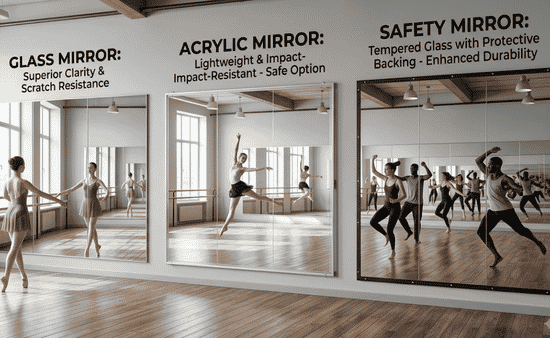
When choosing dance mirrors, it is important to understand the different types available. The most common options include glass mirrors, acrylic mirrors, and safety mirrors. Each type has distinct characteristics affecting durability, clarity, and cost.
Glass Mirrors
Traditional glass mirrors are popular due to their superior optical clarity and scratch resistance. However, because glass is heavy and fragile, these mirrors require secure mounting and may need safety backing to prevent injury in case of breakage.
Acrylic Mirrors
Acrylic mirrors are lightweight and impact-resistant, making them a safer alternative, especially in spaces with children or high activity levels. While acrylic may not match glass mirrors in clarity, modern acrylic mirrors offer excellent reflection quality and are less prone to shattering.
Safety Mirrors
Safety mirrors include tempered glass or mirrors with protective backing films to enhance durability. These mirrors reduce the risk of injury by preventing glass shards from dispersing if broken. Safety glass mirrors are recommended for commercial studios and facilities subject to rigorous use.
Size and Installation Considerations
One of the primary considerations when selecting dance mirrors is size. Mirrors should be large enough to provide a full and unobstructed view of the dancer’s body. Typically, dance mirrors cover entire walls or significant wall sections to accommodate various movement types.
The height of the mirror should cater to the tallest dancer and account for the typical floor-to-ceiling dimensions of the room. Additionally, the installation must ensure secure attachment to support the weight of the mirrors safely. Professionally installed mounting systems are advisable.
Framed versus Freestanding Mirrors
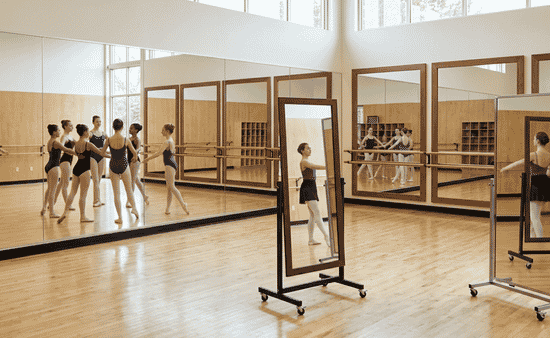
Dance mirrors come in framed and frameless designs. Frameless mirrors offer a clean aesthetic and reduce visual distractions. Framed mirrors can provide additional protection to the edges and allow for easier installation, especially in modular studios where mirrors may be moved or adjusted.
Freestanding mirrors provide flexibility in rearranging the dance space and can supplement wall mirrors. However, they require stable bases to prevent tipping and are generally smaller, making them less suitable for large studios.
Wall Preparation and Installation
Before installing dance mirrors, assess the condition of the walls. Mirrors require smooth, sturdy surfaces for proper mounting. Walls may need reinforcement, especially when supporting large, heavy glass panels.
Professional installation ensures mirrors are mounted correctly, reducing risks of detachment or damage. Some suppliers offer installation services alongside mirror sales to guarantee safety and quality.
Lighting Complementing Dance Mirrors
Proper lighting enhances the utility of dance mirrors. The mirrors should be positioned to reflect light evenly without creating glare or harsh shadows. Natural light sources supplemented by soft, diffused artificial lighting work best.
Adjustable lighting systems can help tailor the visual environment to different dance practices and times of day.
Maintenance and Cleaning
Keeping dance mirrors clean ensures clear reflections and prolongs their lifespan. Use non-abrasive cleaners designed for glass or acrylic mirrors to avoid scratching or damaging the surface. Regular dusting and wiping prevent buildup of residues.
It is important to avoid excessive moisture near the mirror edges that could cause deterioration of backing films or adhesives.
Cost Factors in Choosing Dance Mirrors
The price of dance mirrors varies depending on material, size, and features. Glass mirrors with safety backing tend to be more expensive than acrylic options but provide superior optical quality. Installation costs also contribute significantly to the overall investment.
When budgeting, consider the long-term benefits of durability, safety, and performance, rather than choosing solely on initial cost. This approach also supports budget-friendly home renovations, where investing wisely in durable, practical features can improve the space without unnecessary expenses.
Where to Source Quality Dance Mirrors
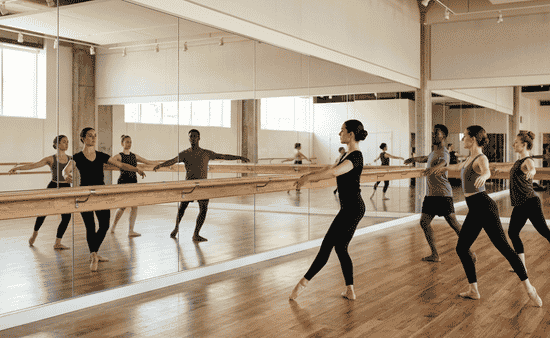
Reliable suppliers specialise in offering a range of dance mirrors tailored to different needs and budgets. For instance, a comprehensive selection of dance mirrors is available catering to professional studios and personal spaces alike. These suppliers often provide expert advice and installation support.
Safety Standards and Regulations
Dance mirror installations should comply with safety standards relevant to the location. This includes using tempered or safety-backed mirrors in public or commercial spaces to mitigate injury risks. Understanding and adhering to building codes ensures the installation is secure and legal.
Customisation Options
Some suppliers offer custom-sized and designed mirrors to fit unconventional spaces or specific aesthetic requirements. Customisation may include anti-fog coatings, framing styles, or integration with ballet barres and other studio accessories.
Benefits Beyond Dance Training
While primarily designed for dance practice, these mirrors also benefit other fitness disciplines such as yoga, pilates, martial arts, and aerobics. They enhance body awareness and technique improvements across various physical activities.
Summary
Choosing the right dance mirrors involves assessing material types, size requirements, installation methods, safety, and budget considerations. Quality dance mirrors improve training outcomes, ensure safety, and contribute to a professional studio environment. Consulting specialised suppliers and adhering to relevant standards will result in a suitable and lasting installation.
Investing in well-chosen dance mirrors is essential for any dancer or facility aiming to provide the best conditions for movement practice and performance enhancement.