
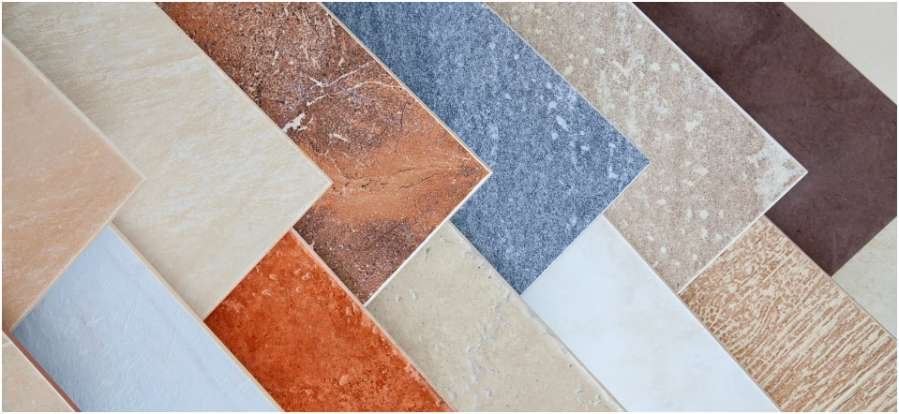
I recently found myself in the middle of a home renovation project—new flooring for my kitchen and bathroom. After spending hours scrolling through Pinterest, researching options, and consulting with a few experts, I found myself staring at two of the most popular choices: porcelain and ceramic tiles. Both have their merits, but which one lasts longer?
I dove deep into this question, comparing both tiles based on durability, lifespan, and performance in different environments. In this blog, I’m sharing everything I learned to help you make the right choice for your home.
What’s the Difference Between Porcelain and Ceramic Tile?

Let’s start with the basics. At first glance, porcelain and ceramic tiles look very similar. Both are made from clay, fired at high temperatures, and come in a variety of colors and patterns. But once you dig deeper, you’ll see there are significant differences, especially when it comes to durability and longevity.
Porcelain tiles are made from more refined clay mixed with sand and feldspar, and they’re fired at temperatures above 1,200 °C. This process makes them denser, more durable, and more water-resistant. On the other hand, ceramic tiles are made from more natural clay and minerals and fired at lower temperatures, which makes them more porous and softer.
For me, learning about these differences helped me see why porcelain tiles are a long-lasting investment, especially in high-traffic or moisture-prone areas like the kitchen or bathroom.
How Does the Durability of Porcelain and Ceramic Compare?
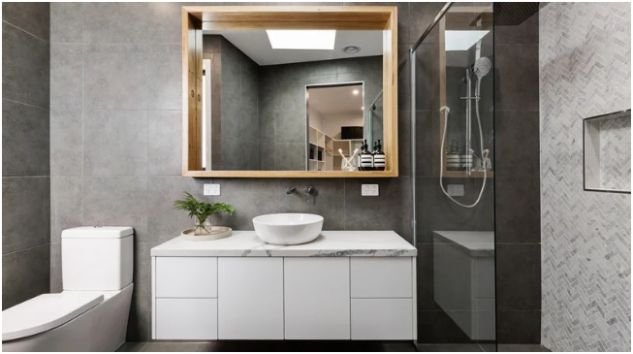
Let’s be real—no one wants to install tiles only to have them crack, chip, or lose their beauty after just a few years. That’s why durability was top of my mind when choosing between porcelain or ceramic tile.
Porcelain Tiles
Porcelain is like the tough cookie of the tile world. These tiles are dense, meaning they can withstand heavy foot traffic, impacts, and scratches without breaking a sweat. Whether you have pets, kids, or a penchant for hosting house parties, porcelain tiles hold up beautifully.
The best part? They’re highly resistant to water, with an absorption rate of less than 0.5%. This makes them perfect for wet areas, including bathrooms, kitchens, and even outdoor patios.
Ceramic Tiles
While ceramic tiles aren’t as hard as porcelain, they still offer decent durability, especially in low-traffic or indoor settings. Ceramic tiles are softer and more prone to scratching and chipping, particularly in high-impact areas like hallways or entryways.
They have a higher water absorption rate (typically over 3%), which means they’re not the best option for wet areas like showers or outdoor spaces.
For my kitchen, porcelain was clearly the winner. It could handle the messes from my cooking experiments, while ceramic would’ve struggled in the long term with water and grease splashes.
How Long Do Porcelain and Ceramic Tiles Last?
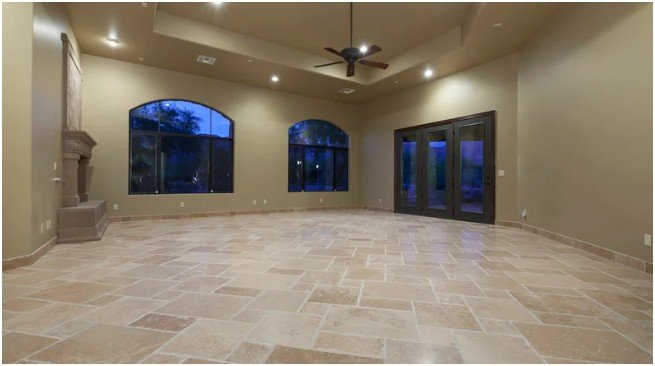
This is where things get interesting. You might not think about it at first, but knowing how long each tile can last is crucial for any renovation decision. Here’s how porcelain and ceramic stack up in terms of lifespan:
Porcelain Tiles
Porcelain tiles can last a lifetime—seriously. With proper care, these tiles can endure for 50+ years, retaining their beauty and durability even in high-traffic areas. I love how the color and finish stay consistent throughout the tile, even when it gets chipped. Plus, because of their denser nature, they resist moisture, which means no worrying about mold or mildew creeping in.
Ceramic Tiles
On average, ceramic tiles last about 10-20 years. While they may hold up fine in low-traffic areas like walls or backsplashes, they won’t perform as well in high-impact zones. They can start to show wear and tear much sooner, especially in bathrooms or kitchens, where spills and moisture are a daily occurrence.
If you’re investing in tiles for a high-traffic area, porcelain is clearly the better option. It’s built to last decades, making it a smarter long-term investment.
How to Choose the Right Tile for Your Space

Okay, now that we’ve covered durability, let’s talk about choosing the right tile for your specific needs. Think about where you’re installing your tiles and how much wear and tear they’ll face.
For High-Traffic Areas (Kitchen, Entryways, Bathrooms)
Porcelain is the clear winner here. It’s built to handle daily foot traffic, moisture, and accidents like spilled wine or the water you spill when you wash your hands. I’ve installed porcelain tiles in both my kitchen and bathroom, and it’s been a game-changer. They look as good as the day they were installed, and I don’t worry about them getting damaged.
For Vertical Applications (Walls, Backsplashes)
Ceramic tiles work great for walls, backsplashes, and other vertical installations. These areas don’t see as much wear as floors, and ceramic tiles are perfect for adding color and pattern. Plus, ceramic tiles are usually more affordable than porcelain, making them a great option for budget-conscious projects.
Outdoor Areas
If you’re considering tiling your patio or garden, porcelain is the way to go. Its water resistance and durability make it ideal for outdoor spaces, where exposure to the elements can be harsh. I’ve seen porcelain tiles used in outdoor spaces for years, and they stand up to weather changes and heavy use.
Frequently Asked Questions
1. Can I use porcelain tiles in my shower?
Absolutely! Porcelain tiles are highly resistant to water, making them a great choice for showers. They won’t absorb moisture like ceramic tiles, so they’re ideal for wet spaces. I used them for my shower, and they’ve held up wonderfully without any signs of mold or mildew.
2. Are ceramic tiles cheaper than porcelain?
Yes, ceramic tiles are generally more affordable than porcelain. However, keep in mind that you get what you pay for. While ceramic tiles might be a better option for smaller, low-traffic spaces, porcelain offers better durability and longevity, making it a smarter investment for high-use areas.
3. How do I clean porcelain and ceramic tiles?
Both porcelain and ceramic tiles are easy to maintain. A regular sweep and mop will do the trick. For porcelain, use a mild detergent to clean, and for ceramic, be cautious about using abrasive cleaners. I’ve found that a microfiber mop and a gentle cleaner work wonders for both.
My Final Tile Verdict
I’ve spent years perfecting my home renovation, and if there’s one thing I’ve learned, it’s this: you get what you pay for when it comes to tiles.
After weighing all the pros and cons of porcelain vs. ceramic tile, I can confidently say that porcelain is the way to go for durability, longevity, and water resistance.
Sure, ceramic has its place—especially for budget-friendly, low-traffic spaces—but if you want tiles that last a lifetime, porcelain is the clear winner.
So, the next time you’re standing in front of a wall of tiles, remember that your choice is more than just about looks—it’s about investing in the long-term beauty and functionality of your space. Choose wisely, and enjoy the benefits for years to come!