Choosing tiles for your home was never something I thought would be this challenging. But here we are, and I can tell you now that it’s all about balance—getting that perfect mix of style, functionality, and durability for each room.
Over time, I’ve learned a lot through trial and error, and let me tell you, choosing the right tiles is more than just picking a color you like. It’s about living with them for years, making sure they’ll hold up under real-life conditions, and yes, ensuring they look fabulous while doing it!
If you’re starting a tile project in your home, I’m here to share the practical, down-to-earth steps I followed (and the mistakes I made). Here’s how to choose tiles for home with a little experience and a lot of honesty.
What’s the Most Important Factor When Choosing Tiles for Your Home?
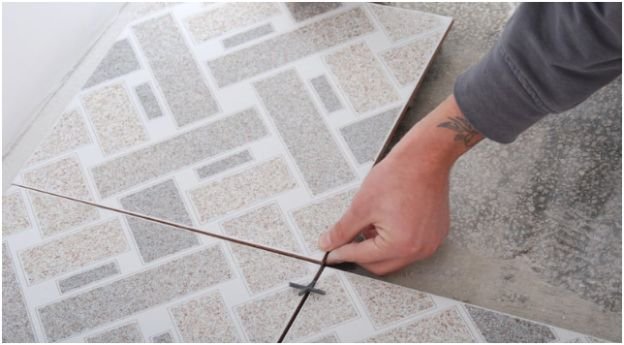
When it comes to picking tiles for your home, the first thing I learned is to consider the room and its usage. Tiles aren’t one-size-fits-all. What works in a bathroom may not work in a living room, and what looks good in a hallway may be completely impractical in the kitchen.
High-Traffic Areas Need Durability
Think about entryways, kitchens, and hallways. These areas get constant foot traffic. I started with porcelain tiles for these spots. They’re durable, easy to clean, and will withstand a lot of abuse without showing wear and tear too quickly. Plus, they come in so many styles and colors that I didn’t feel like I was sacrificing style for function.
Wet Areas Need Special Attention
Bathrooms, laundry rooms, and even some outdoor spaces need water-resistant tiles. You don’t want to deal with mold or water damage later, trust me. I went with matte porcelain tiles in the bathroom—they’re slip-resistant and easy to maintain. For the shower, I opted for smaller tiles (think mosaics). These give me a better grip while also creating a stylish look.
Living Rooms and Bedrooms: Get Creative
These rooms have more flexibility in tile choice. I chose polished porcelain tiles for my living room for a sleek, modern feel. I love how they reflect the light and make the room feel larger, but matte finishes would have given the space a cozier vibe. It’s all about choosing what feels right.
How to Choose Tile Material: Porcelain, Ceramic, or Something Else?
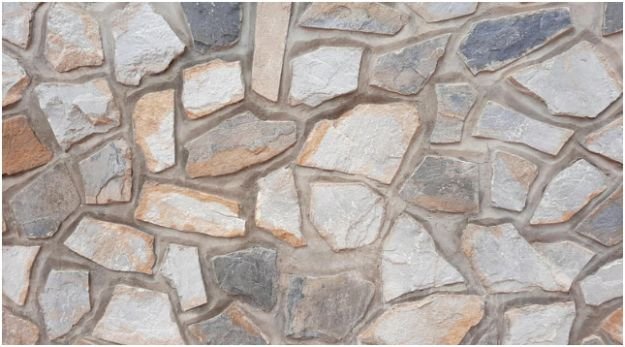
Once I understood the room’s needs, it was time to figure out what materials would work best. I’ll be honest, there’s a lot to choose from, and it can feel overwhelming. But once you get the hang of it, the decision is much easier.
Porcelain Tiles: Durability at Its Best
Porcelain became my go-to material for high-traffic areas, bathrooms, and outdoor spaces. These tiles are practically indestructible! They’re dense, water-resistant, and can handle all kinds of wear and tear without a fuss. In the long run, porcelain tiles save you money because you don’t have to worry about replacements.
Ceramic Tiles: Affordable and Versatile
I used ceramic tiles on the kitchen walls for a budget-friendly option. They’re great for low-traffic areas like walls and for lighter traffic floors. The best part? You can find them in any color, shape, and finish you can imagine, so the possibilities are endless. Plus, they’re easier on the wallet than porcelain.
Natural Stone: Luxurious But Requires Care
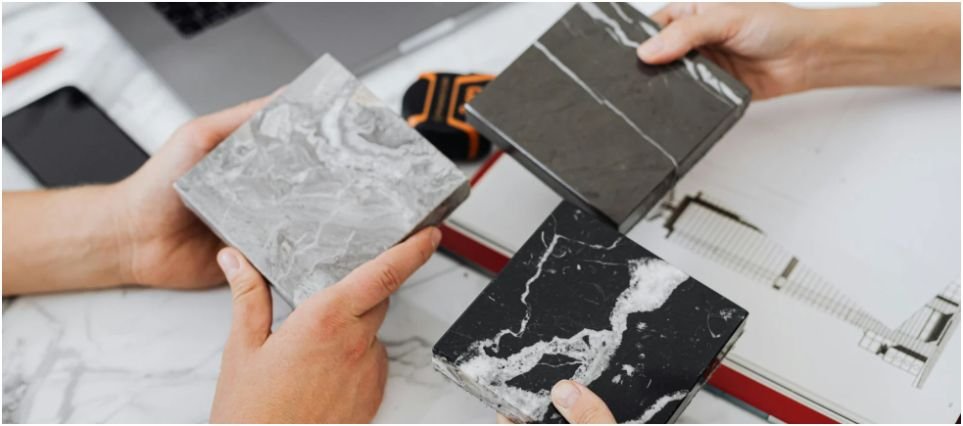
If you’re craving a touch of luxury, marble, slate, and granite tiles offer timeless elegance. But here’s the catch: they require regular sealing and maintenance. I used natural stone in small accent areas, like a decorative backsplash or around the fireplace, to add a high-end look without overwhelming the space. But don’t go overboard unless you’re ready to care for them!
Tile Size & Layout: Does Bigger Really Make a Room Look Bigger?
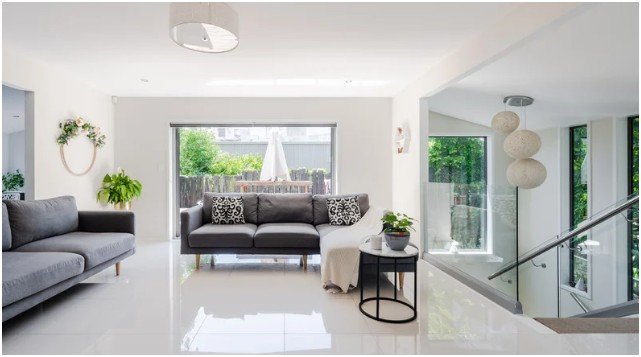
I’ve learned that size matters when it comes to tiles. The size of your tiles affects how your space feels. Large-format tiles are my favorite for open spaces like living rooms or large bathrooms. They reduce the number of grout lines and give the room a sleek, seamless look. But small tiles? They’re perfect for intricate designs and small spaces.
Small Rooms: Use Larger Tiles
Here’s a trick I picked up: use larger tiles in small rooms to make them appear more spacious. For example, 600×600 mm tiles in the hallway helped make the space feel more open. The fewer grout lines, the less cluttered the room will feel.
Large Rooms: Embrace the Space
For larger rooms, large tiles create a modern, high-end vibe. I went with 600×600 mm tiles in the kitchen, and they look great! They don’t overwhelm the room, but they still make a bold statement.
How to Choose the Right Tile Finish and Texture
Once you’ve figured out the material, it’s time to think about finish and texture. The right finish can change the entire vibe of your room. Here’s how I made my decision.
Matte & Textured Finishes: Slip-resistant & Practical
In wet areas, matte tiles are a game-changer. They provide extra grip, which is crucial for areas like the bathroom and kitchen floors. I went for a matte porcelain tile in my bathroom, and I love how practical it is without sacrificing style. The textured finish also helps prevent slipping.
Glossy & Polished Finishes: Brighten Up a Room
On the other hand, I love glossy tiles for the kitchen and living room. They reflect light, brighten up the room, and make smaller spaces feel larger. The only downside? They can be slippery when wet, so I avoid them in high-moisture areas.
How to Choose Tiles: A Step-by-Step Guide
Ready to pick your tiles? Here’s a simple step-by-step guide based on my personal experience.
Step 1: Determine the Room’s Functionality
Start by considering the room’s purpose. High-traffic areas need durable tiles, while bathrooms and kitchens require water-resistant options.
Step 2: Choose the Right Material
Pick the material based on durability and ease of maintenance. Porcelain is ideal for high-traffic areas, while ceramic is better for walls and low-traffic floors.
Step 3: Consider Tile Size
Decide whether to go big or small. Large-format tiles are great for open areas, while smaller tiles are perfect for intricate designs or small rooms.
Step 4: Select the Finish
Choose matte for safety and slip-resistance or glossy for a light-reflecting, modern touch.
Step 5: Think About Maintenance
Porcelain and ceramic tiles are low-maintenance, but natural stone needs regular sealing. Consider how much time you’re willing to invest in upkeep.
FAQs: Real Questions from Real People
1. What’s the best tile for a kitchen floor?
For kitchen floors, I highly recommend porcelain tiles. They’re durable, easy to clean, and resistant to moisture and stains. You can go with a matte or textured finish to avoid slipping when things get messy.
2. Can I use ceramic tiles for a bathroom floor?
Yes, you can! Ceramic tiles work well for bathroom floors, but make sure they’re glazed or have a textured finish to prevent slipping. They’re also easy to clean and budget-friendly.
3. How do I know which tile size to choose?
For smaller rooms, go with larger tiles (600x600mm) to make the space feel bigger. For bigger rooms, smaller tiles or mosaic patterns can add charm and create a custom look.
It’s Tile Time, Baby!
In the end, choosing tiles for your home comes down to more than just picking a color that looks pretty. It’s about making sure your choice fits the room’s function, is easy to maintain, and lasts for years.
Take your time, test out different options, and most importantly—have fun with it! Your home deserves tiles that bring joy every time you step on them.