Sustainable home renovations are no longer a niche trend—they are becoming a standard approach for homeowners who want lower utility costs, healthier living spaces, and long-term property value.
By focusing on energy efficiency, responsible material choices, and smarter design decisions, sustainable renovations reduce environmental impact while improving daily comfort. This guide breaks down everything you need to know to plan, execute, and benefit from a sustainable renovation project.
What Are Sustainable Home Renovations?
Sustainable home renovations refer to remodeling practices that prioritize energy efficiency, water conservation, indoor air quality, and environmentally responsible materials. The goal is to reduce a home’s carbon footprint while improving performance and livability.
Rather than focusing solely on aesthetics, sustainable home renovations look at how a house functions over decades. This includes reducing heat loss, minimizing water waste, selecting durable materials, and designing spaces that support healthier lifestyles.
Why Sustainable Home Renovations Matter Today
Home energy use plays a major role in this impact, as inefficient systems and outdated materials increase overall consumption. Sustainable home renovations directly address these issues by improving how resources are used.
Homeowners who invest in sustainable renovation strategies often experience lower monthly expenses, improved comfort across seasons, and increased resale value.
Studies referenced by U.S. housing and energy agencies consistently show that energy-efficient homes perform better in the real estate market.
Core Principles of Sustainable Home Renovations
Every successful sustainable renovation is built on a few foundational principles that guide planning and execution.
Energy Efficiency as the Foundation
Energy efficiency is the cornerstone of sustainable home renovations. Before adding new technology, it is critical to reduce energy loss.
Improving insulation in walls, attics, and crawl spaces significantly reduces heating and cooling demand. Sealing air leaks around doors, windows, and ductwork prevents wasted energy. High-performance windows with proper glazing further stabilize indoor temperatures.
Water Conservation Strategies
Water-efficient upgrades are essential in sustainable home renovations, especially in regions facing water scarcity. Many homeowners use an energy efficiency toolkit to identify high-impact actions, including low-flow fixtures and smart plumbing choices.
Low-flow toilets, faucets, and showerheads reduce water usage without sacrificing performance. Dual-flush toilets and smart irrigation systems help homeowners manage consumption more effectively.
Environmentally Responsible Materials
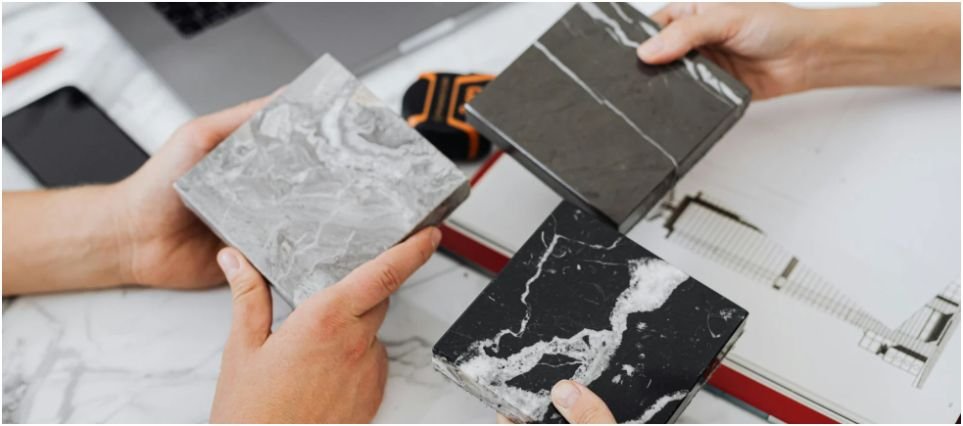
Material selection plays a major role in sustainable home renovations. Eco-conscious choices reduce waste, emissions, and long-term maintenance needs.
Rapidly renewable materials like bamboo and cork are popular flooring options. Reclaimed wood, recycled metal, and recycled glass countertops divert waste from landfills while adding character. Low-impact manufacturing materials contribute to healthier indoor environments.
Indoor Air Quality and Health
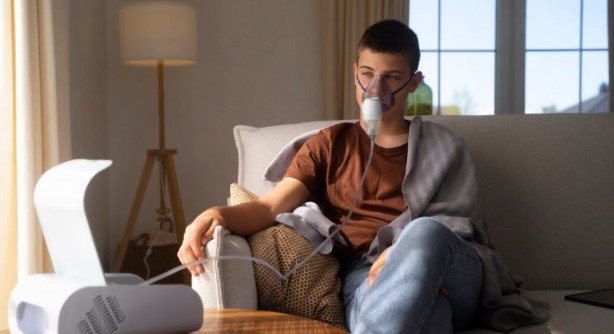
Sustainable home renovations prioritize indoor air quality, which directly affects health and comfort.
Low-VOC and zero-VOC paints, finishes, and adhesives reduce harmful chemical exposure. Proper ventilation systems, such as Energy Recovery Ventilators (ERVs), maintain fresh airflow without sacrificing energy efficiency.
High-Impact Sustainable Home Renovation Projects
Some renovation projects deliver a higher return on investment in both sustainability and cost savings.
Solar Energy Integration
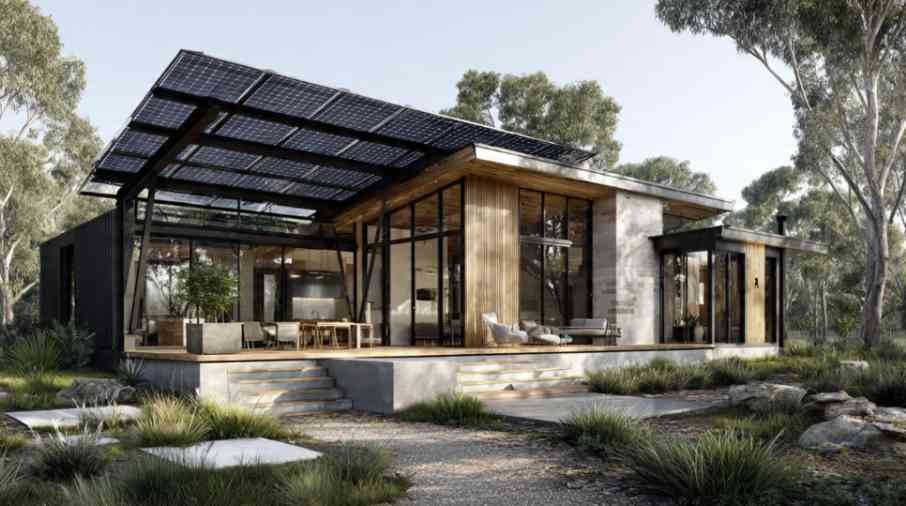
Solar panel installation remains one of the most effective sustainable home renovations. Rooftop solar systems reduce reliance on the grid and support long-term energy independence.
Many U.S. homeowners also qualify for federal and state incentives that significantly reduce installation costs. Solar energy pairs well with other efficiency upgrades for maximum impact.
Heat Pumps and Electrification
Replacing gas furnaces with air-source or ground-source heat pumps is a major step toward home renovations. Heat pumps provide efficient heating and cooling while reducing greenhouse gas emissions.
Smart Home Technology
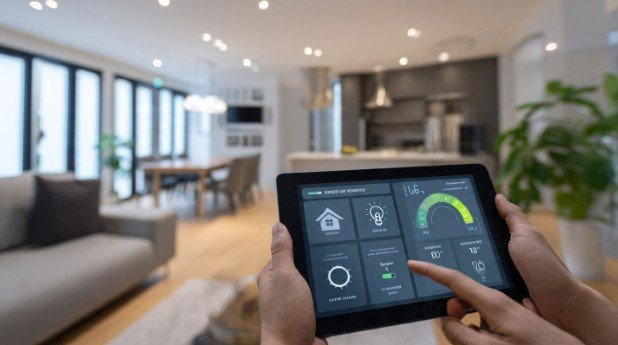
Smart thermostats, lighting controls, and energy monitoring systems help homeowners optimize usage patterns. These technologies reduce unnecessary consumption and improve comfort through automation.
In sustainable home renovations, smart systems serve as efficiency multipliers rather than standalone solutions.
Passive Design Improvements
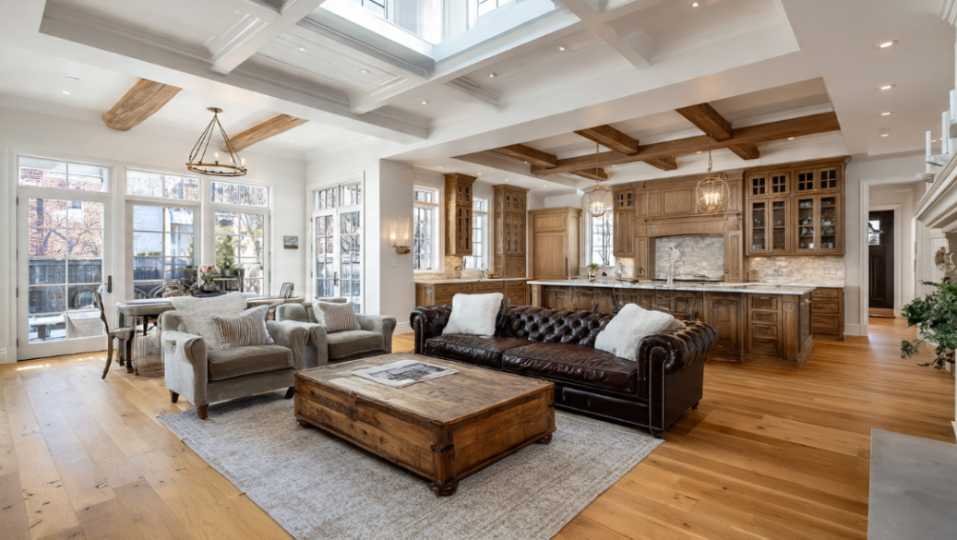
Passive design focuses on using natural elements to regulate indoor conditions. Strategic window placement, skylights, and shading reduce reliance on artificial lighting and climate control.
South-facing windows, thermal mass materials, and proper overhangs are commonly used in home renovations to maximize natural heat gain and daylight.
Sustainable Kitchen Renovation Ideas
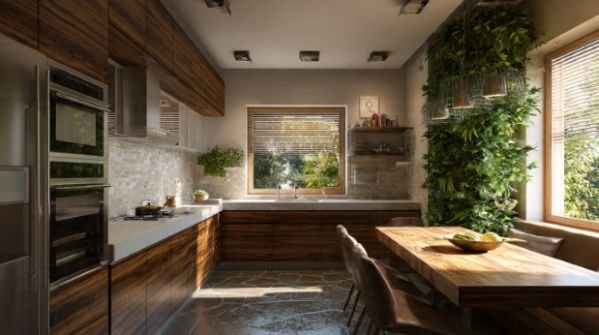
The kitchen is one of the most resource-intensive areas of a home, making it a prime candidate for sustainable upgrades.
Energy efficient products appliances with high performance ratings reduce electricity and water use. Induction cooktops improve efficiency while enhancing indoor air quality by eliminating combustion gases.
Cabinetry made from sustainably sourced wood or recycled materials further supports sustainable home renovations.
Sustainable Bathroom Renovation Ideas
Bathrooms offer multiple opportunities for conservation and efficiency.Ventilation improvements are especially important in sustainable bathroom renovations to prevent mold and improve air quality.
Low-flow fixtures, water-efficient toilets, and moisture-resistant eco-friendly materials reduce long-term water and maintenance costs. Thoughtful layouts improve functionality while minimizing material use.
Financial Incentives and Long-Term Savings
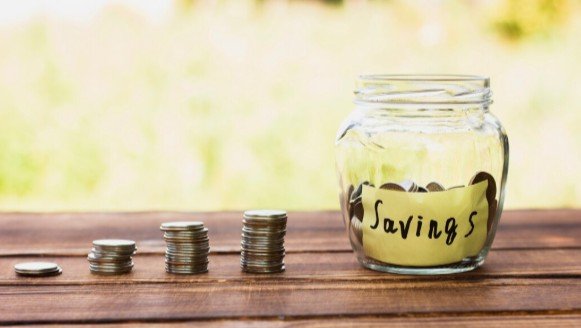
One of the biggest misconceptions about home renovations is cost. While upfront expenses may be higher, long-term savings often outweigh initial investments.
Federal programs, state incentives, and utility rebates in the U.S. support energy-efficient upgrades. Tax credits for solar installations, heat pumps, and electrical improvements make sustainable renovations more accessible.
Over time, reduced energy bills, lower maintenance costs, and increased property value contribute to strong financial returns.
Planning a Sustainable Home Renovation
Home energy audits identify inefficiencies and guide upgrade priorities. Setting clear sustainability goals helps homeowners allocate budgets effectively. Working with experienced professionals ensures compliance with building codes and performance standards.
Phasing renovations over time is also a practical approach, allowing homeowners to spread costs while maintaining progress. Successful home renovations begin with proper planning.
Common Mistakes to Avoid
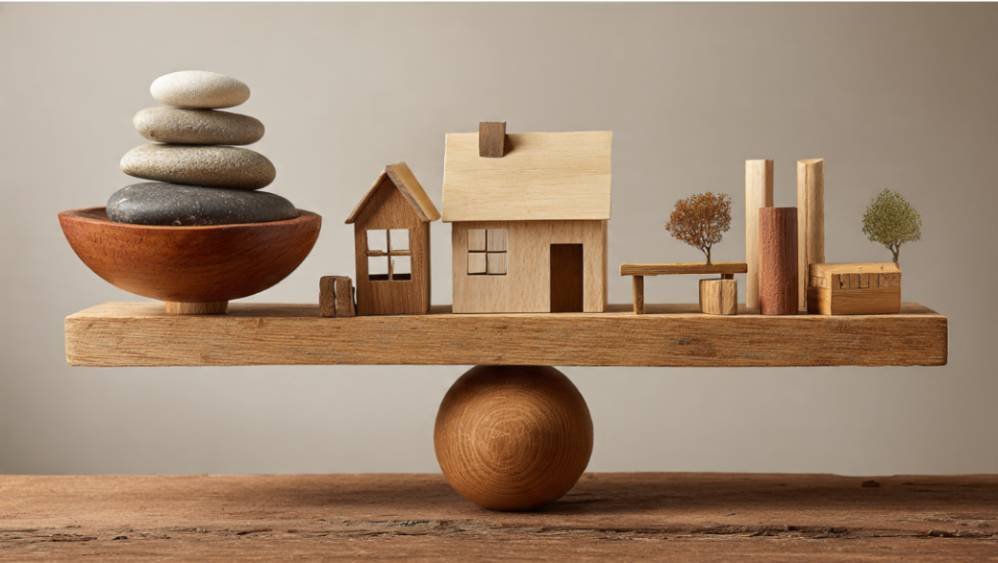
Even well-intentioned projects can fall short without proper strategy.Balanced decision-making is essential in home renovations.
Focusing on technology before addressing insulation and air sealing limits effectiveness. Choosing eco-friendly materials without considering durability can increase long-term costs. Ignoring ventilation leads to indoor air quality issues.
The Future of Sustainable Home Renovations
As regulations, energy standards, and consumer awareness evolve, sustainable home renovations will continue to shape residential construction.
Homes designed for efficiency, resilience, and adaptability are better prepared for changing climates and energy markets. Sustainable renovation is no longer just an environmental choice—it is a practical investment in long-term living quality.
Frequently Asked Questions
1. What is the most cost-effective home renovation?
Improving insulation and sealing air leaks is often the most cost-effective sustainable home renovation, delivering immediate energy savings.
2. Are sustainable renovations suitable for older homes?
Yes, older homes often benefit the most from sustainable upgrades like insulation, efficient windows, and modern HVAC systems.
3. How long does it take to recover costs from sustainable home renovations?
Payback periods vary, but many energy efficiency upgrades recover costs within 5–10 years through reduced utility bills.
4. Do sustainable home renovations increase property value?
Homes with energy-efficient features and lower operating costs typically command higher resale values.
5. Can sustainable renovations be done in phases?
Yes, many homeowners complete sustainable renovations gradually, starting with the highest-impact improvements.
Why Sustainable Home Renovations Are Worth It
Sustainable home renovations offer a powerful combination of environmental responsibility, financial savings, and improved comfort.
By focusing on energy efficiency, water conservation, healthy materials, and smart design, homeowners create spaces that perform better today and remain resilient tomorrow.
As interest in sustainable renovations continues to grow across the U.S., informed planning and thoughtful execution will separate short-term upgrades from truly future-ready homes.