I once repainted my living room white, thinking minimalism meant mature. Two months later, the space felt cold and unfinished. That experience made me realize how much interior design trends impact how we feel and function at home.
Today, trends focus less on magazine-worthy perfection and more on creating personal, warm, and livable spaces that reflect real life. Let’s dive into what’s shaping interiors now and how you can embrace these trends without turning your home into a design experiment.
What Interior Design Trends Are Shaping Styles and Aesthetics Today?
Interior design is embracing individuality over neutrality. The days of sparse, all-neutral rooms are gone, replaced by spaces that tell a personal story. Bold choices, like mixing vibrant patterns and curated decor, are now the focus, reflecting the personalities of the people who live there. It is balanced by intentionality, creating unique, inviting spaces.
Maximalism and Personality
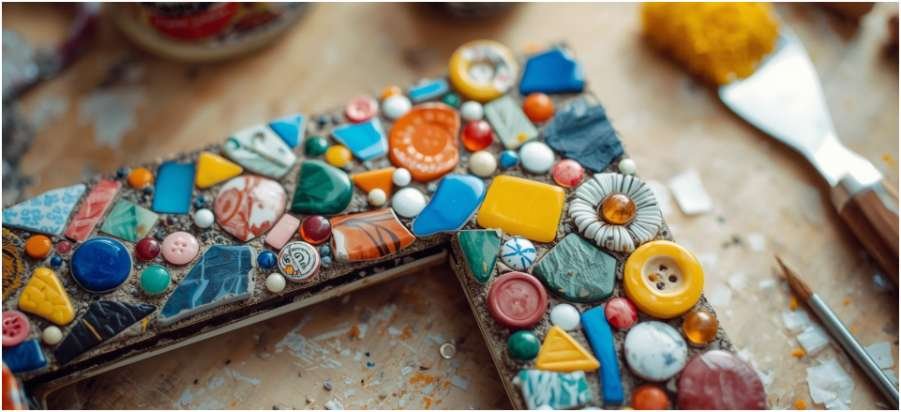
Maximalism is about more than just clutter—it’s about curating a collection of meaningful items. Homeowners are filling their spaces with personal art, books, and collected pieces that tell a story. The difference from past maximalism is the curation, where every object serves a purpose, allowing the space to remain expressive and full without feeling overwhelming.
Return of Classic Styles
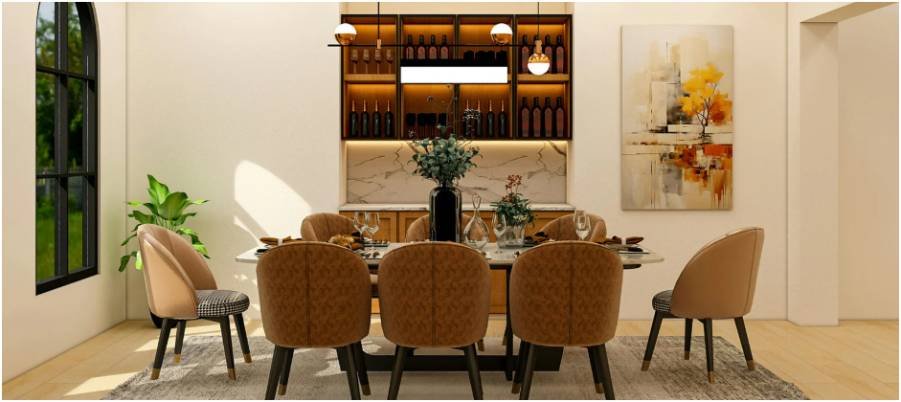
Classic design elements are making a comeback with a modern twist. Art Deco’s geometric shapes and sleek finishes are influencing furniture, lighting, and cabinetry, bringing luxury and sophistication into everyday interiors. English-inspired interiors, with their cozy charm, floral patterns, and layered fabrics, are also rising in popularity for their inviting and lived-in feel.
How Modern Interior Design Trends Use Color and Materials
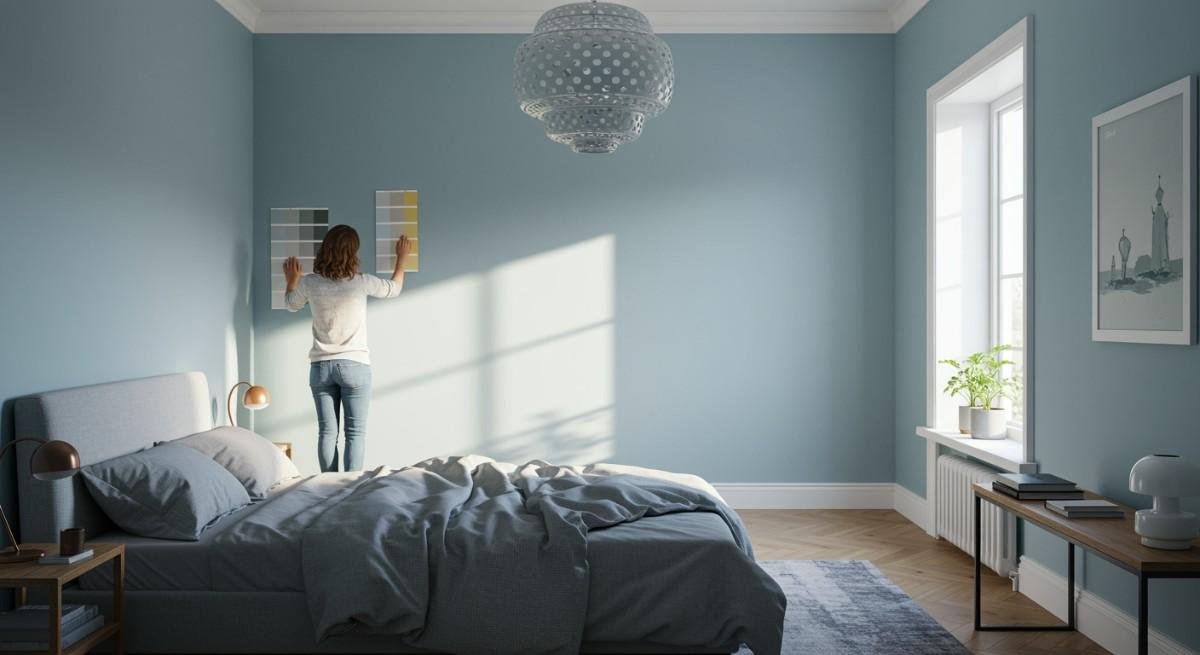
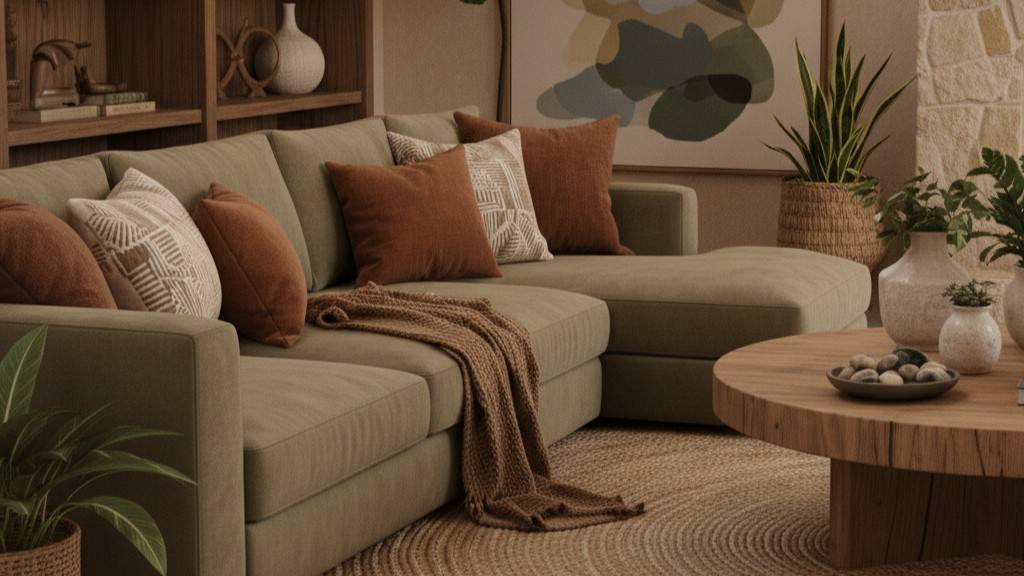
Warmth and depth define today’s color and material choices. Cool tones are being replaced by earthy shades like sage green, deep reds, and soft blues. These colors create calm, layered spaces that feel rich yet balanced. Dark woods like walnut add contrast, while textured fabrics, velvet, and handmade materials bring visual interest and tactile comfort to rooms.
Earthy and Rich Tones
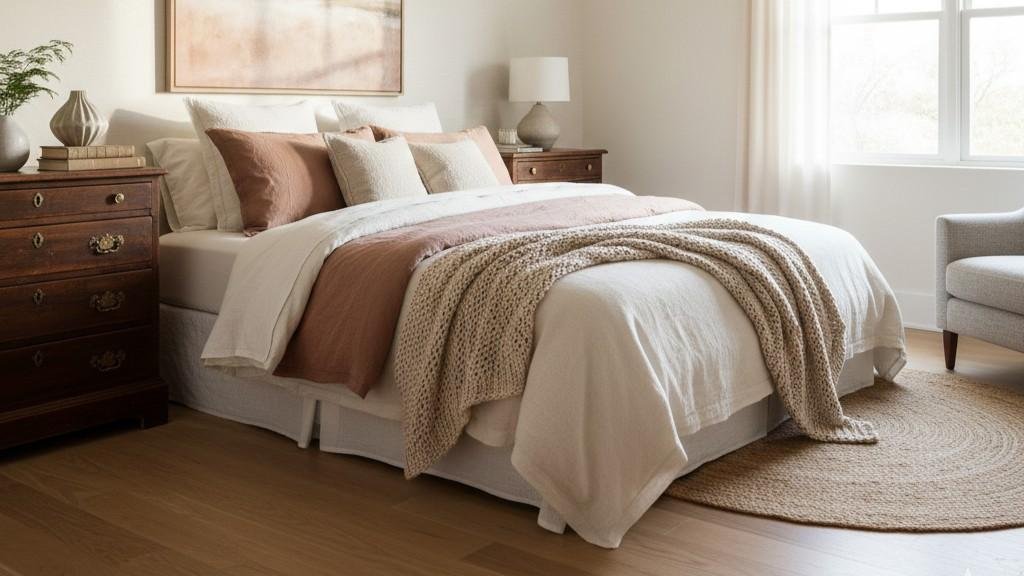
Natural tones are taking center stage in interiors. Brown, in particular, is making a comeback through furniture and wall colors, providing warmth without overwhelming a space. Earthy shades, such as burgundy, sage, and soft blues, are being mixed with dark woods, creating a harmonious and grounded aesthetic that adds character to rooms.
Textures and Natural Elements
Texture is as important as color in creating inviting spaces. Rich velvets, woven fabrics, and textured wallpapers are enhancing homes with soft, tactile finishes. Upholstered walls and organic materials make rooms feel both luxurious and cozy, while verdigris accents in lighting and decor add a timeless touch of character to interiors.
Influences of Interior Design Trends on Furniture and Architecture
Curved and organic shapes are dominating both furniture and architectural elements. Softer forms, such as rounded sofas, oval tables, and arched doorways, are replacing rigid lines, making spaces feel more relaxed and approachable. This trend is especially important in open-plan homes, where furniture shapes help guide movement and balance the layout.
Multifunctional and Sculptural Furniture
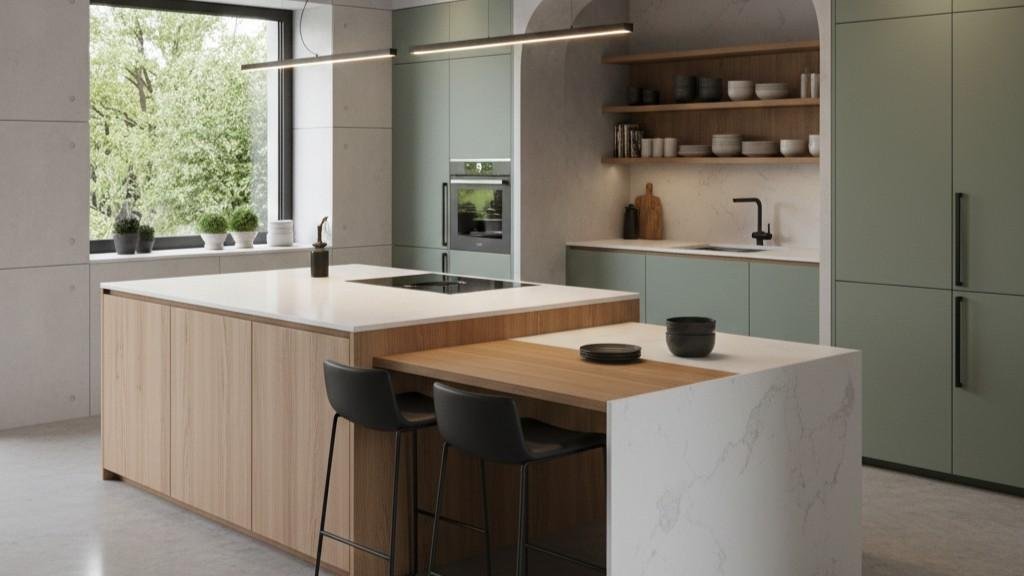
Furniture is evolving to be both sculptural and practical. Pieces like rounded sofas and multifunctional tables are not just visually interesting—they also make spaces more adaptable. This trend is all about integrating style and function, where furniture shapes flow naturally with the space, allowing rooms to feel balanced and comfortable without overwhelming decor.
Adaptable and Timeless Architecture
Architecture is becoming more versatile, with kitchens and living areas designed to serve multiple purposes. These multifunctional spaces include hidden sculleries, flexible islands, and outdoor prep stations, helping homes adapt to different needs. Lighting is also moving toward timeless elegance, with classic glass fixtures and chandeliers replacing futuristic designs for a softer, more welcoming atmosphere.
Why Interior Design Trends Are Focused on Conscious Design
Conscious design emphasizes thoughtful choices and sustainability. People are prioritizing high-quality materials, vintage items, and craftsmanship over fast, mass-produced furniture. This trend encourages reusing and reducing, leading to spaces that feel more authentic and less disposable. It’s about creating a home that’s both beautiful and meaningful, rather than simply following trends.
Sustainability and Slow Design
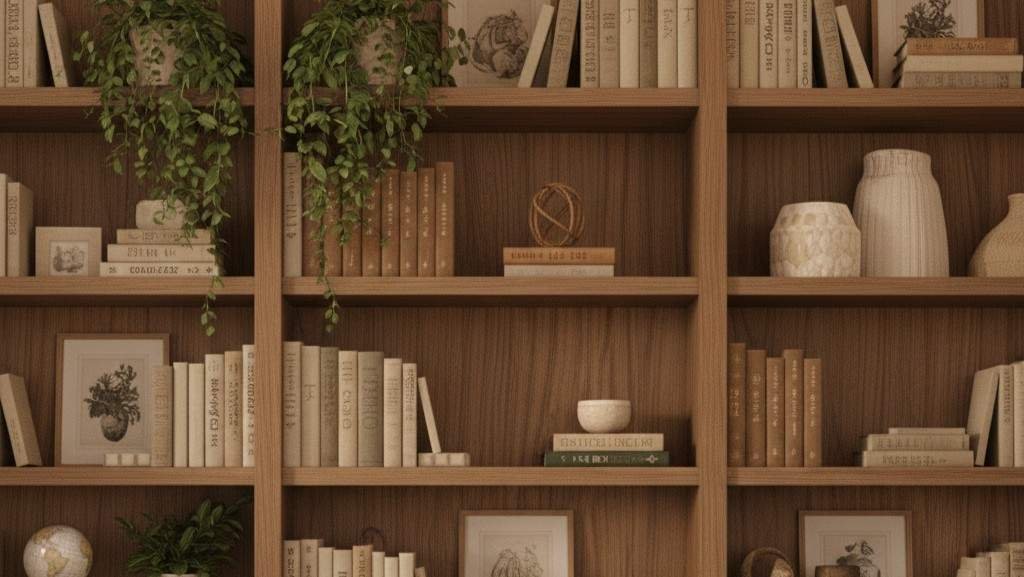
Sustainability is a key part of conscious design trends, with eco-friendly materials and vintage finds becoming more popular. Homeowners are turning to handcrafted pieces and reusing furniture to create unique, sustainable interiors. This focus on slow design helps reduce waste, making homes not only more personal but also environmentally conscious.
Livable Luxury
Livable luxury is about blending beauty with practicality. Rather than opting for fragile or high-maintenance finishes, homeowners are choosing durable materials that are both functional and stylish. Performance fabrics, smart storage, and well-thought-out layouts make spaces luxurious without sacrificing livability, allowing homes to feel both elevated and comfortable.
How to Apply Interior Design Trends Without Overdoing It
- Identify the gaps in your space: Focus on what’s missing—warmth, flow, or personality—rather than blindly following trends.
- Tackle one area at a time: Start with a single room or space and make gradual changes.
- Add warmth first: Use color to create a cozy atmosphere before replacing furniture.
- Introduce textures: Layer in textiles like curtains, rugs, or cushions to add comfort.
- Swap lighting: Choose softer, more classic lighting if your space feels harsh.
- Edit as you go: Trends should inspire, not overwhelm. If something feels off, adjust or remove it.
- Let your space evolve: The best interiors grow over time, reflecting real use rather than immediate perfection.
Frequently Asked Questions
1. Are interior design trends suitable for small homes or apartments?
Yes, interior design trends can work beautifully in small spaces when applied thoughtfully. Curved furniture, warm colors, and layered textures actually help small rooms feel more inviting and less boxy. The key is scale and restraint. Choose fewer statement pieces and allow them to stand out rather than crowding the space with too many elements.
2. How often should I update my home to follow interior design trends?
You do not need to update your home every time trends shift. Interior design trends are best used as inspiration rather than rules. Focus on timeless elements like quality furniture, good lighting, and functional layouts. Trends can be layered in through accessories, paint, or textiles that are easy to change over time.
3. Can interior design trends increase home value?
Interior design trends that emphasize functionality, warmth, and quality materials can positively influence home value. Buyers respond well to homes that feel comfortable and thoughtfully designed. However, overly specific or extreme design choices may limit appeal. Balanced, livable updates tend to offer the best return.
4. How do I balance personal style with interior design trends?
Start with what you already love and build from there. Interior design trends should enhance your personal style, not replace it. If a trend does not resonate with you, skip it. The best interiors feel authentic because they reflect the people living in them, not just what is popular online.
Interior Design Trends Are About Living Well
At the end of the day, kitchen renovation or interior design trends for that matter are not about perfection or keeping up. They are about creating spaces that support how you live and how you want to feel at home. My biggest lesson from that white living room mistake was this. A beautiful space should feel welcoming, not intimidating.
Use interior design trends as tools, not rules. Borrow what works, ignore what does not, and let your home evolve naturally. When design choices support comfort, personality, and function, your space will always feel current no matter what trends come and go.