If you’re like me, you’re always looking for ways to elevate your space. Recently, I realized how versatile tiles can be in creating a modern, sleek design. They’re not just for the bathroom floor anymore.
From living rooms to kitchens, tile can add texture, flow, and personality to your space. Let me walk you through some of my favorite ways I’ve incorporated tile into my home design.
1. How Can Large-Format Tiles Create a Seamless Flow?
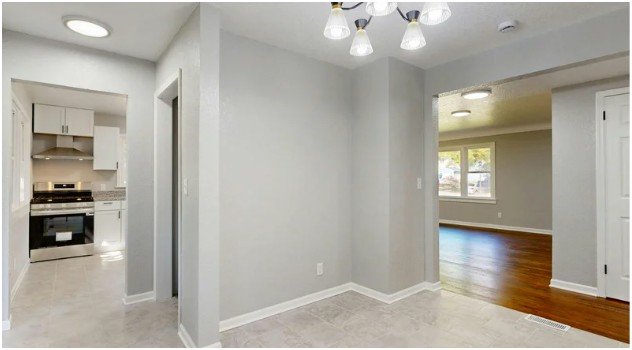
When I first saw large-format tiles, I wasn’t sure they’d fit in my space. But once I laid them down in the kitchen and living room, I saw how powerful they were in creating a seamless flow. These tiles are usually bigger than your typical 60×60 cm and come in larger sizes like 60×120 cm. The best part? Less grout!
You know how grout lines can break up a design? Large tiles reduce those lines, giving your floor a clean, uninterrupted look. I decided to run the same large-format tile from the kitchen right through the living area, and honestly, it made the room feel so much bigger. You wouldn’t believe the difference it made.
Pro Tip: Matching the grout color to your tiles can make the surface look even smoother. It’s like magic—suddenly, the space feels like one continuous room instead of separated zones.
2. How Do Accent Walls in Tile Add Visual Interest?
I was so over the usual accent wall paint and needed something different. Tiles came to my rescue! One of my favorite design tricks has been using tiles to create striking accent walls, especially in areas where I wanted to make a statement. You don’t just have to think about tile as something for the floor—try using it on walls, too!
For example, I used 3D tiles on a feature wall in my living room, and let me tell you, the texture is stunning. It catches the light just right, and every time I walk in, I feel like I’ve stepped into a high-end design magazine. Whether it’s behind a sofa or a bed, tactile tiles are a game-changer.
Another thing I love? Floor-to-ceiling backsplashes in the kitchen. Imagine this: a gorgeous tile design that reaches from the counter to the ceiling. It instantly turns an ordinary kitchen into a luxury space, and it feels custom-made.
Bonus Tip: If you’re in a smaller space, statement niches in bathrooms or entryways lined with metallic or bold-colored tiles can make an incredible focal point.
3. Can Tile Mimic Natural Materials in a Modern Way?
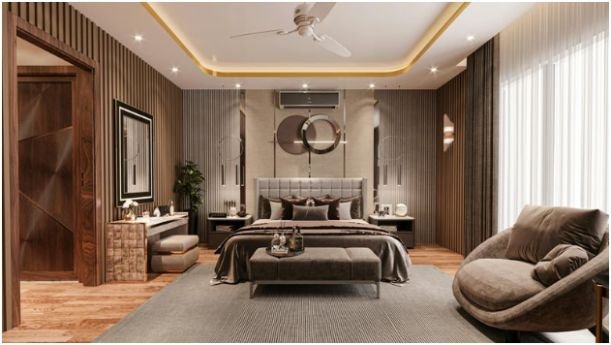
I’m not going to lie, I love the look of wood and stone. But the upkeep? Not so much. That’s when I realized how tiles can mimic those materials without all the maintenance. It’s like having the best of both worlds.
For the bathroom, I chose wood-look planks. They give the warmth and charm of timber, but I don’t have to worry about water damage. It feels like wood, but I can use it in wet areas like the shower and floor. The wood look is so versatile; it can add warmth to your home while maintaining that modern, clean vibe.
Then there’s the concrete-look tile I used in the living room. It’s raw, industrial, and modern. It gives the space a unique edge, and it pairs so well with minimalist furniture and plants. If you’re someone who loves a more polished look but can’t stand the upkeep of marble, porcelain tiles mimicking marble are perfect. They give you that luxurious vibe without breaking the bank.
4. How Do Geometric Patterns Add Movement to a Space?
Let’s talk geometry. I know, it sounds like we’re back in high school math, but trust me, it works. Geometric patterns add an extra layer of movement to any space, which is especially important in modern design. My favorite trick? Using classic rectangular tiles in a herringbone or chevron pattern. It’s subtle, but it gives the floor an eye-catching, sophisticated complexity.
I also experimented with hexagonal tiles for a transition in my hallway. The pattern gradually fades into wooden flooring, which gives the space a pixelated, digital feel that adds a modern touch without overwhelming the room.
Pro Tip: If you’re not ready for bold patterns, start with smaller areas, like an entryway or bathroom, to experiment with how geometric patterns can work in your space.
5. What Are Some Creative Ways to Use Tile Beyond Floors?
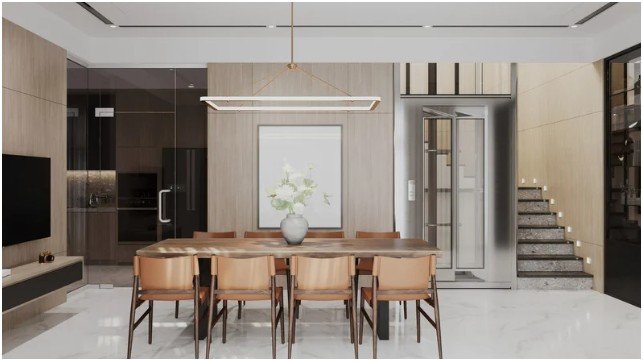
I’ll be honest, I’ve had my fair share of “where do I put tiles?” moments, but once I started thinking beyond floors, it all clicked. Here are a few of my favorite creative placements that totally transformed my space.
- Stair risers: I took a leap of faith and added patterned tiles to the vertical part of my stairs. What a game-changer! It’s an unexpected pop of personality every time I walk up or down the stairs.
- Indoor-outdoor transitions: My favorite new trend is using “indoor-outdoor” tiles. They help create a smooth transition between my living room and patio, blending the indoors with nature. It’s like extending my living room into the great outdoors.
- Ceiling tiles: Okay, so this one is a bit unexpected, but using glossy tiles on the ceiling in small spaces like powder baths is an instant way to create drama. The light bounces off the tiles, making the room feel bigger, brighter, and oh-so-stylish.
How to Incorporate Tile into Modern Home Design: A Step-by-Step Guide
- Start with your vision: Before choosing your tiles, think about the vibe you want for your home. Are you aiming for sleek and minimalist or bold and textured?
- Pick your tile type: Decide whether you want large-format tiles, geometric patterns, or natural-mimicking tiles. Consider durability and aesthetics.
- Plan your layout: Whether it’s a statement wall or a seamless flow, decide where tiles will make the most impact.
- Install strategically: Work your way from the most visible areas (like the living room) to smaller spaces (like bathrooms or hallways). Use the tile layout to create movement or focal points.
FAQ Section
1. What’s the best tile for a modern living room?
I recommend large-format tiles for a seamless flow, especially in open-plan spaces. They create a sense of continuity and make the room feel larger. If you want to add warmth, wood-look tiles are a great choice. For a bold look, you can even go with geometric patterns or textures.
2. Can I use tile on walls, not just floors?
Absolutely! Tiles are perfect for accent walls, especially in areas like behind a sofa or a bed. I love using tactile tiles, like 3D or fluted ones, for added dimension. For the kitchen, a floor-to-ceiling backsplash can turn your space into a custom, high-end design.
3. How do I incorporate natural materials without the upkeep?
Porcelain tiles are an excellent option for replicating wood, stone, or marble. I’ve used wood-look planks in my bathroom to get the warmth of wood without worrying about water damage. Stone-look tiles in my living room give the space an industrial feel while being low-maintenance.
Time to Get Tile-Happy!
The bottom line? Tile is an incredibly versatile tool in modern home design. From large-format tiles that create seamless spaces to accent walls that add texture and personality, there’s no limit to how you can use tile in your home.
Try experimenting with some of these ideas, and let your creativity shine. And remember, you don’t have to break the bank to elevate your space—tile can be a budget-friendly way to transform any room! Happy tiling!