
I remember the first time I decided to revamp my home with sustainable materials. It was a big deal for me, and tiles were at the top of my list. With so many eco-friendly tile options available, I was excited about creating a stylish, sustainable home.
Little did I know, selecting the right tiles would be more than just a design decision—it would be a way to align my living space with my values. From recycled materials to rapidly renewable resources, there’s a lot to consider.
In this guide, I’m going to share my journey with eco-friendly tiles and give you all the practical tips you need to make an informed choice for your home. Whether you’re updating a bathroom, remodeling a kitchen, or giving your whole home a green makeover, there’s an eco-friendly tile for every project.
Why Choose Eco-friendly Tiles for Your Home?

When I first thought about eco-friendly tiles, I had two things in mind: style and sustainability. Over time, I realized that choosing sustainable tiles wasn’t just about feeling good about my purchase; it was about creating a healthier living environment and reducing my home’s environmental footprint.
Eco-friendly tiles are made from materials that are natural, recycled, or rapidly renewable. These tiles help reduce the demand for virgin resources, minimize waste, and improve indoor air quality by containing fewer harmful chemicals like volatile organic compounds (VOCs).
If you’re someone who cares about sustainability, these tiles are a smart choice. But they also add a natural, timeless aesthetic to your home that I’m sure you’ll love.
What Are the Best Eco-friendly Tile Options?
Recycled Content Tiles: Reducing Waste, One Tile at a Time
The first time I installed recycled tiles, I felt so proud knowing I was contributing to reducing landfill waste. Recycled tiles are made from materials like glass, porcelain, or ceramic that have been repurposed instead of ending up in a landfill. They look beautiful and do their part for the planet.
Recycled Glass Tiles
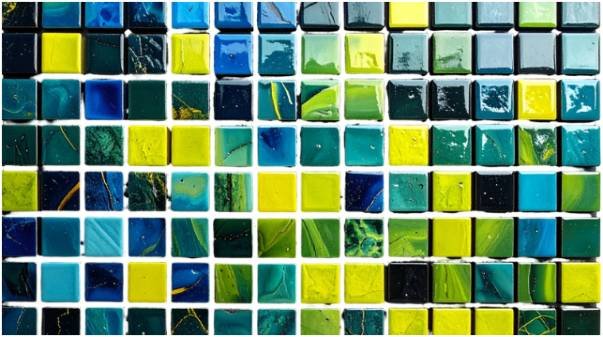
I’ve used recycled glass tiles in my kitchen backsplash, and the effect was stunning. Made from post-consumer glass like bottles or jars, these tiles have a vibrant, glossy finish that reflects light beautifully.
Not only are they non-porous and highly durable, but they also don’t stain easily—perfect for spaces like the kitchen and bathroom. The downside? They can be pricier than regular tiles, but trust me, the investment is worth it for the look and durability.
Recycled Ceramic and Porcelain Tiles
These tiles use post-industrial and post-consumer waste, meaning they’re made from ceramic or porcelain that would otherwise go to waste. I love using recycled ceramic tiles because they’re just as sturdy as regular ones, and they come in a variety of designs.
My favorite part? They’re perfect for both indoor and outdoor use, and they help reduce the need for new raw materials. If you want a tile that’s as tough as it is eco-friendly, this is your go-to option.
Natural & Rapidly Renewable Materials: Earth-Friendly and Beautiful
If you’re drawn to natural materials, you’ll be happy to know that there are eco-friendly tile options that use abundant, renewable resources. These materials are often minimally processed, making them an environmentally-friendly choice for any home.
Cork Tiles
I first encountered cork tiles in a friend’s home and was immediately impressed by their softness and warmth. Harvested from the bark of cork oak trees, cork tiles are renewable because the trees aren’t harmed during harvesting.
They’re not only great for insulation (both thermal and acoustic) but are also hypoallergenic and antimicrobial—ideal for families with allergies. Keep in mind, though, that cork can be susceptible to water damage if it’s not properly sealed, and heavy furniture may cause indentations. But for a cozy, eco-friendly vibe, cork is unbeatable.
Bamboo Tiles
If you’re looking for a tile that’s as strong as hardwood but much more sustainable, bamboo is the answer. Bamboo grows incredibly fast (it’s actually a grass, not wood), so it’s a rapidly renewable material. I’ve used bamboo tiles in my living room, and I love the natural, warm aesthetic they bring.
The downside is that bamboo isn’t as resistant to humidity, so you’ll need to be careful in high-moisture areas like bathrooms or kitchens. With the right care, though, bamboo can look gorgeous and last for years.
Terracotta Tiles
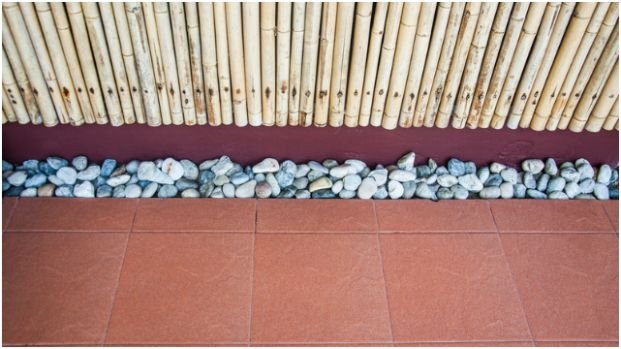
Terracotta tiles are made from natural clay and are fired at low temperatures, which makes them an energy-efficient choice. They’re perfect for bringing a rustic, earthy charm to any room.
I used terracotta in my kitchen and love how it regulates temperature, keeping the room warm in winter and cool in summer. Just keep in mind that terracotta is porous, so you’ll need to seal the tiles to prevent stains.
How Do You Choose the Right Eco-friendly Tile for Your Home?
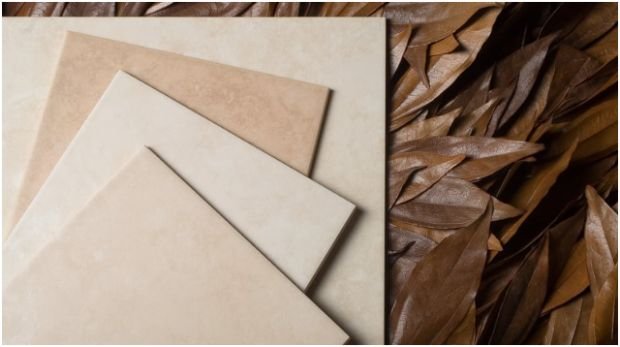
Choosing the perfect eco-friendly tile isn’t just about picking the first green option you find. It’s about understanding the space you’re working with and the material that fits your needs. Here’s a step-by-step guide to help you choose the best tiles for your home:
Step 1: Identify the Purpose of the Tile
Think about where you’ll be using the tile. Is it for a high-moisture area like the bathroom or kitchen? Or is it for a low-traffic area like a bedroom or office? This will help you narrow down your choices.
Step 2: Consider Durability and Maintenance
Some eco-friendly tiles, like recycled glass or ceramic, are incredibly durable and easy to maintain. Others, like cork and bamboo, may require a bit more care to keep them in good condition.
Step 3: Match the Aesthetic to Your Home’s Style
Eco-friendly tiles can come in a variety of styles, from sleek and modern to rustic and earthy. Choose a material that complements your home’s design.
Step 4: Check for Certifications
Look for tiles that have environmental certifications like GreenGuard or LEED to ensure they meet high sustainability standards.
Eco-friendly Tile FAQ
1. Are eco-friendly tiles more expensive than traditional tiles?
It’s true that some eco-friendly tiles, especially recycled glass or bamboo, can be pricier. However, the durability, beauty, and environmental impact make them a smart long-term investment. Plus, you may even save money by reducing the need for replacements in the future.
2. Can eco-friendly tiles be used in high-moisture areas like bathrooms?
Absolutely! Recycled glass and ceramic tiles are perfect for high-moisture areas. Just make sure the tiles you choose are sealed properly to protect them from water damage.
3. How long do eco-friendly tiles last?
Eco-friendly tiles can last as long as traditional tiles, and in some cases, even longer. Recycled glass and ceramic are both durable options, while materials like cork and bamboo need a bit more care.
So, Why Not Go Green?
When I made the switch to eco-friendly tiles, I felt better knowing that I was making choices that reflected my values without compromising on style. From the vibrant finish of recycled glass to the rustic charm of terracotta, each eco-friendly tile option brings something unique to the table.
Plus, knowing that I’m reducing waste, conserving resources, and supporting healthier indoor air quality makes my home feel that much more meaningful.
So, whether you’re retiling a small bathroom or giving your whole home a sustainable makeover, don’t hesitate to choose eco-friendly options that align with your lifestyle. Go ahead, make your home a green sanctuary—you’ll love the results!